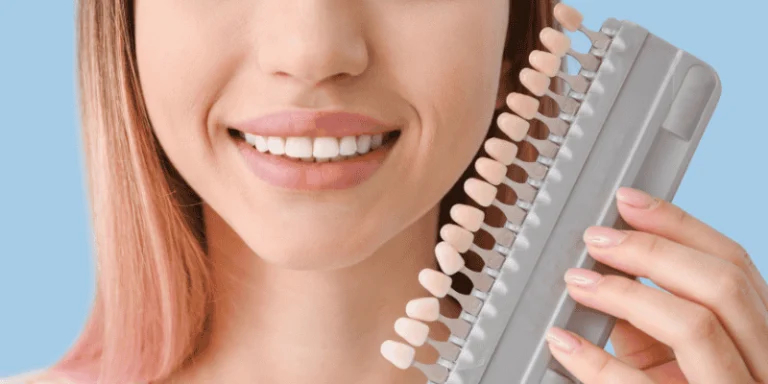




You can pick veneers that look natural and last when you match the material, color, and fit to your smile goals and budget.
Choose porcelain for long-lasting, stain-resistant results or composite for a faster, lower-cost option, and work with your dentist to pick the shade and shape that suit your face.
Think about how often you want maintenance, how much you can invest, and what smile changes matter most to you.
A short consultation will help you in choosing the right veneers that fit your teeth, timeline, and lifestyle so you make a confident choice.
Key Takeaways
- Match material and design to your look and long-term needs.
- Balance cost, durability, and upkeep when choosing veneers.
- Get a professional evaluation to personalize your final choice.
Understanding Veneers and Their Benefits
Veneers change the look of your front teeth with thin shells that match color and shape. They can make teeth look whiter, straighter, and more even while protecting worn enamel.
What Are Dental Veneers
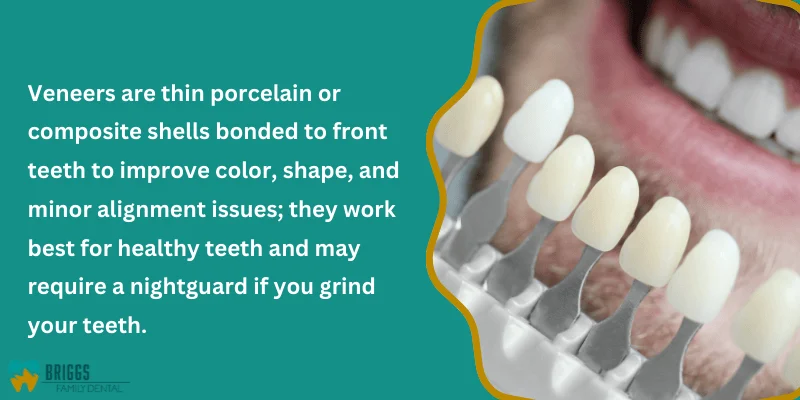
Dental veneers are thin shells made from porcelain or composite resin. Your dentist bonds them to the front of teeth that show when you smile. Porcelain veneers are stronger and resist stains; composite veneers cost less and can be done in one visit.
The dentist will remove a small amount of enamel for a natural fit with porcelain. For composite veneers, the resin is shaped directly on your tooth and cured with light. Both types require good oral health before treatment and regular dental checkups after placement.
A 10-year practice-based study found ceramic veneers have significantly higher longevity and lower failure rates compared with direct composite veneers, supporting their effectiveness as a durable option.
You can expect tooth color, shape, and minor alignment changes. Veneers are not reversible if enamel is removed, so discuss long-term care and alternatives like bonding or whitening with your dentist.
Common Cosmetic Concerns Veneers Address
Veneers fix stains that don’t respond to whitening, chips, small gaps, and mildly crooked teeth. They cover surface damage and can change tooth length to balance your smile.
You can pick a shade that blends with nearby teeth or choose a brighter white. Veneers also improve symmetry by reshaping uneven or worn teeth. If you clench or grind your teeth, talk to your dentist because veneers may chip without a nightguard.
Veneers work best for visible front-tooth issues. For large structural problems or severe bite misalignment, your dentist may suggest crowns or orthodontics instead. Consider costs, lifespan, and maintenance when deciding if veneers fit your goals.
Choosing the right veneers starts with expert guidance. Schedule a consultation to discuss your smile goals and explore veneer options designed to enhance your appearance naturally and comfortably.
Types of Veneers: Materials and Options
You’ll find two main permanent choices and a few temporary options. Each choice differs in cost, durability, and how much tooth work is needed.
Porcelain Veneers vs Composite Veneers
Porcelain veneers are custom-made in a lab from ceramic. They resist stains, match tooth translucency well, and often last 10–20 years with good care. You usually need 2–3 visits and some enamel removal so the veneer fits flush. Expect higher cost per tooth but fewer replacements over time.
Composite veneers are built and shaped on your tooth in one visit. They cost less and need little or no enamel removal. Repairs are easy and quick if they chip. They stain more easily and usually last 5–10 years. If budget and speed matter, composite may suit you; if you want long-term color stability, porcelain is better.
Key trade-offs:
- Porcelain: higher cost, lab-made, long-lasting, stain-resistant.
- Composite: lower cost, single visit, easier repairs, shorter lifespan.
Temporary and Removable Veneers
Temporary veneers protect teeth and show you the final look while permanent work is made. Dentists use them during the porcelain fabrication process. They’re not meant for long-term chewing forces and can wear or stain if kept too long.
Removable or “snap-on” veneers cover your teeth without bonding. They let you test a new smile or hide issues for events. Professionally made versions fit better than direct-to-consumer ones, but both can trap plaque and raise cavity risk if you wear them often.
Expect limited durability and possible bite changes with heavy use. Choose removable veneers only for short-term cosmetic needs and follow cleaning instructions closely.
For more on the differences and long-term outcomes, see a detailed comparison of veneer types and survival rates at The Dental Guide (Different Types of Veneers – Complete Guide).
Personalizing Your Smile: Color, Shape, and Fit
You will pick three main things: the shade so the veneers blend, the shape so they match your face, and the size so they fit your mouth and lips. Make choices that match your skin tone, natural teeth, and how you want people to see you.
Selecting the Right Shade and Shade Matching
Pick a shade that blends with nearby teeth if you’re not veneering every front tooth. Use a dental shade guide in natural light; your dentist will hold tabs next to your teeth and photograph them.
Consider skin tone and age: cooler, lighter shades suit fair skin, while warmer, slightly off-white shades often look better with darker skin or a more natural result as you age.
Ask about layered or translucent finishes in custom veneers so light passes like real enamel. Test a temporary mock-up or digital preview to confirm the shade in photos and mirrors.
Choosing Veneer Shape and Tooth Shape
Match veneer shape to your face and natural tooth shape. Round or oval veneers soften a square jaw. Squarer veneers add strength to a wide smile. Look at your central incisors first, their outline sets the “face” of your smile.
Bring photos of smiles you like and let your dentist sketch a smile design. Custom veneers let the lab adjust edge contour, incisal length, and surface texture so the veneers echo your natural tooth shape and lip movement. Ask to try a wax-up or mock bonding to see how the shape works when you talk and smile.
Deciding on Veneer Size and Proportion
Size and proportion control how natural your smile looks. Use the “golden proportion” idea sparingly: your two front teeth should be visually larger than the laterals, but not too wide. Measure tooth height-to-width ratios and compare to your face width to avoid oversized or short veneers.
Consider how much tooth reduction you want. No-prep or minimal-prep custom veneers keep more enamel but limit size change. Full-prep veneers allow bigger shape shifts.
Make sure the veneers follow your smile line and rest comfortably against your lips. Ask for photos, digital previews, and a try-in to confirm fit before final fabrication.
Your Smile Goals and Consultation Process
Decide what you want to change, how natural you want your teeth to look, and how long you expect the results to last. A clear idea helps your dentist pick the right veneer type, shade, and number of teeth to treat.

Setting Smile Goals
Write down specific changes you want: whiter shade, fix a chipped tooth, close a small gap, or correct shape and length. Say how many teeth you want treated, central four, upper six, or a full smile. This helps avoid vague requests like “make them look better” and speeds planning.
Bring photos of smiles you like and clear front-facing photos of your teeth. Note habits that matter: do you grind, smoke, or drink coffee? These affect whether porcelain or composite veneers suit you best and whether a night guard is needed.
Decide on longevity vs cost. Porcelain lasts longer and resists stains but costs more. Composite is cheaper and quicker but may need repairs sooner. Share your budget so the dentist can propose realistic options.
Consulting with a Cosmetic Dentist
During the consult, your cosmetic dentist in New Market, VA will examine your teeth and gums, take X-rays if needed, and check for decay or gum disease. They will only recommend veneers if your mouth is healthy or after treating any problems first.
Expect a discussion about materials, prep level, and how many teeth to cover. Ask specific questions: “Will my teeth need reshaping?” and “How long until I can eat normally?” Get answers about anesthesia, temporary veneers, and follow-up visits.
Request to see before-and-after photos of the dentist’s previous veneer cases. Also ask about warranty, expected lifespan, and repair options. Clear, direct answers help you pick the best veneers for you.
Patients in New Market, VA can explore modern veneer options designed to improve tooth shape, color, and symmetry at Briggs Family Dental.
Smile Preview and Design Tools
Digital smile design software creates a mockup using photos or scans so you can see likely results before treatment. Your dentist can show different shades, shapes, and how many teeth to include. This limits surprises.
Intraoral scanners capture precise tooth shape without messy impressions. Many clinics use these scans to make temporary or final veneers with better fit. Ask if they offer a trial smile or digital mockup you can approve.
If available, request a printed or temporary mockup to wear for a day. This helps you check speech, bite comfort, and appearance in real life. Use that trial to confirm the best shade and the right number of veneers for your goals.
Practical Considerations: Cost, Quality, and Maintenance
You will weigh price, long-term care, and who makes your veneers. Focus on clear numbers, lab skill, and the regular care that keeps veneers lasting.
Understanding Cost of Veneers
Veneer prices vary by material and location. Expect composite veneers to run about $250–$1,200 per tooth and porcelain veneers about $500–$2,500 per tooth. Ask your dentist for a written estimate that lists lab fees, prep work, temporary veneers, and follow-up visits.
Check whether your dental insurance covers any part of the work; most plans treat veneers as cosmetic and won’t pay. If cost is a concern, compare quotes from two or three dentists and ask about payment plans or financing. Travel for treatment can cut costs, but factor in travel and lodging into the total price.
Think about long-term value. Porcelain costs more up front but lasts longer and resists staining. Composite costs less but may need replacement in 5 years. Match what you can afford today with the timeline you want for replacements.
Choosing a Skilled Dental Lab
The lab makes the final veneer you see. Ask your dentist which lab they use and request photos of the lab’s past work. Choose a lab known for custom shade matching and layered porcelain techniques that mimic natural enamel.
If you prefer a quick, single-visit option, ask if your dentist uses CAD/CAM systems like CEREC and what trade-offs exist for natural appearance. For the highest esthetic results, pick a dentist who partners with a local certified dental technician rather than a low-cost mass-production lab.
Get a sample or try-in appointment. A competent lab and dentist will offer a mock-up or temporary veneers so you can see shape and color before final bonding. Confirm the lab’s warranty on workmanship and how they handle remakes.
Routine Dental Visits and Aftercare
You must keep regular dental visits to protect your investment. Schedule professional cleanings and exams every 6 months or as your dentist recommends. During visits, your dentist will check the bond, margins, and gum health around the veneers.
At home, brush twice daily with a non-abrasive toothpaste and floss gently to avoid lifting edges. Avoid biting hard objects like ice or opening packages with your teeth. If you grind your teeth, ask about a nightguard to prevent chipping.
If you notice sensitivity, a loose veneer, or color change nearby, contact your dentist quickly. Prompt repairs cost less than full replacements and help maintain the look and function of your veneers.
New to our practice? Complete your new patient forms online before your visit to streamline your appointment and focus on selecting veneers that match your lifestyle and cosmetic goals.
Frequently Asked Questions
This section answers practical choices you’ll make about veneers: material and fit, color matching, quality markers, shape for your face, where to find experienced dentists, and typical costs. Each answer gives clear steps you can use when you talk with a dentist.
What should I consider when selecting the type of veneer for my teeth shape?
Match the veneer material to how much tooth change you need. Porcelain works well if you need strong color change or reshaping; composite suits minor repairs or thin changes.
Think about how much enamel must be removed. Porcelain usually needs a bit more prep than no-prep or minimal-prep options. Ask your dentist to show before-and-after photos of similar tooth shapes.
How do I choose the best veneer color to match my natural smile?
Start with a shade guide at your dentist’s office under natural light. Pick a shade that blends with your neighboring teeth and complements your skin tone.
If you plan whitening, whiten teeth first so the veneer color matches the new shade. Ask for a temporary mock-up or digital preview to see the final look.
What are the top factors to look for in high-quality dental veneers?
Look for proven materials and lab-crafted porcelain if you want durability and stain resistance. Check that the dentist works with a certified dental lab and shows clinical photos of past cases.
Verify the dentist’s training in cosmetic work and read patient reviews. Ask about the adhesive system, warranty, and how they handle repairs or replacements.
How can I determine the best veneer shape for my face type?
Use your face width and jawline as guides. Square faces often suit slightly rounded edges, while long faces pair well with wider, squarer tooth shapes.
Bring photos of smiles you like and ask the dentist to create a mock-up. A trial or temporary set helps you test shape, speech, and bite before final placement.
Where can I find reputable and top-rated veneers?
Start with referrals from friends or your general dentist. Check clinic websites for before-and-after galleries and clinician credentials.
Read patient reviews and look for clinics that publish case photos and explain their lab partnerships.
What is the cost range for a full set of porcelain veneers?
Expect wide regional variation, but a full set (8–12 teeth) typically ranges from several thousand to tens of thousands of dollars. Get detailed quotes that list lab fees, temporary veneers, and final bonding.
Ask for a written treatment plan with itemized costs and payment options. Compare at least two estimates and confirm what follow-up care is included.