



When you want to improve your smile, choosing between porcelain and composite veneers can feel confusing. Both can fix chipped, stained, or misshaped teeth, but they work differently and have their own pros and cons.
Porcelain veneers last longer and look more natural, while composite veneers are quicker and less expensive.
Porcelain veneers can give you a bright, stain-resistant smile that lasts 10 to 15 years. Composite veneers, on the other hand, can often be done in one visit and are easier to repair but usually last about 5 to 7 years.
Your choice depends on what you value most, whether that’s durability, cost, or how fast you want results.
Key Takeaways
- Porcelain veneers offer long-lasting, natural-looking results.
- Composite veneers are more affordable and quicker to apply.
- Your choice depends on your budget, timeline, and smile goals.
Porcelain Veneers Overview
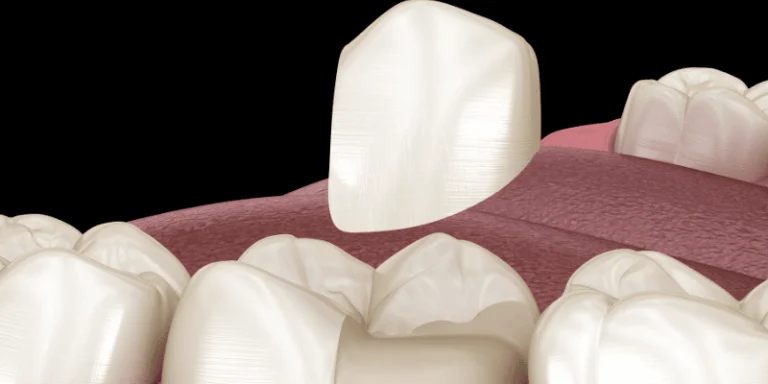
Porcelain veneers are thin shells designed to fit over the front of your teeth. They are made to look natural and match your smile closely.
Getting porcelain veneers involves some preparation, and they last a long time if you take good care of them. You will want to understand how they are made, placed, and the benefits and drawbacks before deciding if they are right for you.
What Are Porcelain Veneers?
Porcelain veneers are custom-made shells created by a dental lab. They are made from high-quality ceramic material that looks like your natural tooth enamel.
These veneers cover the front surface of your teeth to fix problems like discoloration, chips, or gaps. Because porcelain mimics the translucency and shine of real teeth, it gives you a very natural look.
The color stays stable over time and resists stains better than other materials. This makes porcelain veneers a popular choice if you want a bright, long-lasting smile.
Porcelain Veneers Placement Process
The placement of porcelain veneers usually takes a few visits to your cosmetic dentist. First, your dentist removes a thin layer of your tooth enamel.
This step allows the veneer to fit perfectly and bond securely to your tooth. The removal is permanent, so you should be ready for this commitment.
After enamel removal, your dentist takes an impression of your teeth. This mold is sent to the dental lab, where your customized porcelain veneers are made.
While you wait, you might get temporary veneers to protect your teeth and keep your smile looking good. When your porcelain veneers are ready, the dentist will check the fit and color.
Then, they bond the veneers to your teeth using a strong adhesive. This process makes sure your veneers stay in place and look natural.
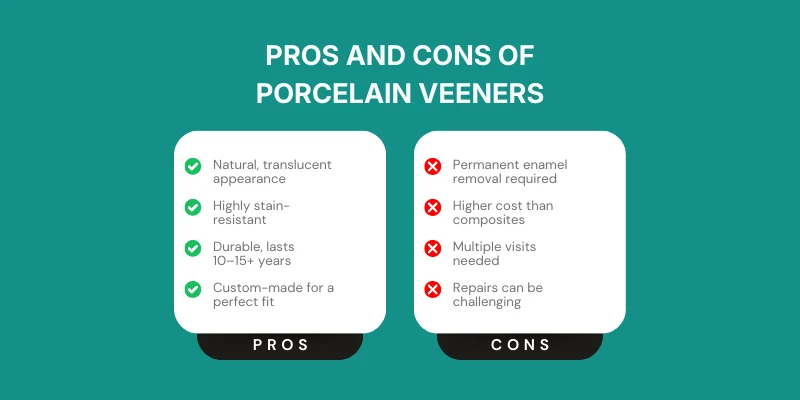
Pros and Cons of Porcelain Veneers
Pros:
- Very natural appearance thanks to porcelain’s translucency
- Highly stain-resistant compared to composite veneers
- Strong and durable, lasting 10 to 15 years or more with good care
- Custom-made for a perfect fit and smile
Cons:
- Requires removal of your natural tooth enamel, which is permanent
- More expensive compared to composite veneers
- The process takes longer because of lab work and multiple visits
- Repairs can be difficult if a veneer chips or cracks
A systematic review looked at clinical data on porcelain laminate veneers (PLVs) over many years. It found a 10‑year cumulative survival rate of ~ 95.5% for PLVs.
Transform your smile with porcelain veneers! Book a consultation at Briggs Family Dental, and discover how porcelain veneers can give you a natural, long-lasting smile.
Composite Veneers Overview
Composite veneers are a popular choice if you want a quicker, less expensive way to improve your smile. They are made of tooth-colored resin and applied directly to your teeth.
This option is less invasive and often reversible, giving you flexibility if you want to change your look later.
What Are Composite Veneers?
Composite veneers, also called composite resin veneers, are thin layers of tooth-colored resin that a cosmetic dentist applies to the front of your teeth. This resin is sculpted and shaped directly on your natural teeth.
Because the material closely matches tooth color, it blends in well with your smile. Unlike porcelain veneers, composite veneers usually require little or no tooth preparation.
This means less enamel is removed or sometimes none at all, preserving more of your natural tooth. They are a good choice if you want to fix small chips, gaps, or discoloration without a major procedure.
Composite Veneers Placement Process
The process to get composite veneers is usually quick and simple. Your cosmetic dentist starts by cleaning your teeth thoroughly.
Then, they may roughen the tooth surface slightly to help the resin stick better. Next, the tooth-colored resin is carefully applied layer by layer.
The dentist sculpts and shapes the resin to fit your teeth perfectly while you watch. Once the shape looks right, the resin is hardened using a special curing light.
The whole treatment normally takes just one visit, so you leave with an improved smile immediately. Since the process doesn’t require molds or lab work, it’s often faster and more affordable than porcelain veneers.

Pros and Cons of Composite Veneers
Pros:
- Usually done in one appointment
- Less tooth preparation needed
- More affordable upfront than porcelain veneers
- Can be repaired easily if damaged
- Reversible in most cases
Cons:
- Less durable than porcelain; lasts about 4-8 years
- More prone to staining and chipping
- May appear less glossy or natural compared to porcelain
- Requires more maintenance to keep them looking their best
Composite veneers suit you best if you want a quick, cost-effective cosmetic fix with less commitment to permanent tooth changes.
A recent study reviewed multiple clinical trials and cohort studies on resin-composite (direct) veneers with at least 2 years of follow-up.
The study found that these veneers generally have a moderately high survival rate, meaning most have remained in place and functioned well over time. However, it also noted common complications, including surface roughness, color mismatches, and slight edge discoloration.
Overall, the findings suggest that composite veneers are a reliable cosmetic option, though they may require occasional touch-ups or maintenance to keep their appearance optimal.
Key Differences Between Porcelain and Composite Veneers
When choosing dental veneers, you’ll want to understand how porcelain and composite options differ in looks, strength, stain resistance, and price. Each type has its own qualities that affect how they fit your smile and lifestyle.
Appearance and Aesthetics
Porcelain veneers are known for their natural look because they closely mimic the translucency and texture of real tooth enamel. This makes them blend smoothly with your other teeth, giving a lifelike brightness and depth that many people prefer.
Composite veneers can also be shaped and colored to match your teeth, but they tend to be less translucent. This means they might not have the same depth or natural shine as porcelain.
Still, they can be polished to a smooth, attractive finish. If you want a quick improvement with a natural look but aren’t overly concerned with the finest details, composite veneers work well.
Durability and Longevity
Porcelain veneers last a long time, typically 10 to 15 years or more with proper care. Their material is strong and resists chips and cracks better than composites.
Composite veneers usually last around 5 to 7 years. They can chip or wear down faster because the resin material is softer than porcelain.
You may need to get touch-ups or replacements after a few years. However, composites are easier to repair, often in just one dental visit.
Stain Resistance
Porcelain veneers offer excellent stain resistance because the material is non-porous. This prevents foods and drinks like coffee or wine from discoloring your veneers, so they keep their bright appearance longer.
Composite veneers are more porous, so they can absorb stains over time. You might notice discoloration if you drink a lot of staining beverages or don’t maintain good oral hygiene.
Regular polishing can help reduce this, but composite veneers typically require more upkeep to stay looking fresh.
Cost Comparison
Porcelain veneers tend to be more expensive. This is due to their high-quality materials and the detailed lab work needed to custom-make each veneer for your teeth.
The multiple dental visits required also add to the overall cost. Composite veneers are usually more affordable because the material costs less and the process is faster, often done in a single visit.
This makes them a good budget-friendly option if you want a nice smile without a big price tag. However, keep in mind that their shorter lifespan may mean more costs over time.
Ready to enhance your smile? Schedule an appointment at Briggs Family Dental in New Market, VA, and find out which veneer, porcelain or composite, is best for you.
Suitability and Candidacy
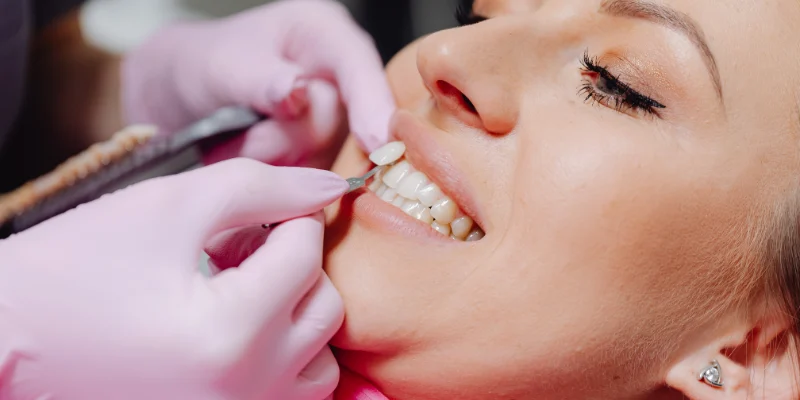
Choosing between porcelain and composite veneers depends a lot on your dental health, lifestyle, and what you want from your smile. Some options fit better if you need long-lasting results or want a quick fix.
Your teeth’s condition and your habits also play a big role in deciding which veneer is right for you.
Who Should Consider Porcelain Veneers?
Porcelain veneers are a great choice if you want a strong, natural-looking smile that lasts many years. They work well if you have chipped teeth, deep stains, or gaps that need fixing.
Because porcelain veneers require removing a thin layer of enamel, your teeth should be healthy and free from large cavities. If you have had orthodontic treatment and your teeth are stable, porcelain is often a good permanent option.
You should also be ready for a longer, more involved procedure with multiple visits. Porcelain is best if you want a durable, stain-resistant smile and don’t mind careful care to keep it looking its best.
Who Should Consider Composite Veneers?
Composite veneers might be the better fit if you want a faster, more affordable way to improve your smile. They are applied directly to your teeth during a single visit and usually need little or no enamel removal.
If you have minor chips, small gaps, or want to try a new look without fully committing, composite veneers offer flexibility. They are easier to repair if damaged but don’t last as long and may stain more over time.
Composite veneers suit you if you are focused on convenience, have good oral hygiene, and are comfortable with regular touch-ups or repairs over the years.
Lifestyle and Oral Health Factors
Your daily habits and dental health strongly affect which veneer type fits you best. If you smoke or drink coffee or red wine often, porcelain veneers resist stains better, keeping a bright smile longer.
Strong bites, teeth grinding, or chewing on hard objects can chip composite veneers more easily, so porcelain might be safer if you have these habits.
Good oral hygiene is essential with both types. Brushing twice a day, flossing, and regular dental check-ups help your veneers last.
If your dental health is not ideal, your dentist may suggest fixing issues before getting veneers. If you are active or play contact sports, discuss mouthguard options with your dentist to protect your new veneers.
Caring for Your Veneers
Taking care of your veneers helps keep them looking good and lasting longer. Proper cleaning, regular dentist visits, and protecting your teeth from damage all play important roles in keeping your smile healthy.
Oral Hygiene Best Practices
You should brush your teeth twice a day using a soft-bristled toothbrush and a non-abrasive toothpaste. This prevents scratching the surface of both porcelain and composite veneers.
Floss daily to remove food particles and plaque between your teeth and along the gumline. This helps prevent gum disease and decay under or around your veneers.
Avoid biting hard objects like ice or pen caps, as this can cause chipping or cracking. Using a mouthguard while playing sports or if you grind your teeth at night will protect your veneers and natural teeth.
Dental Check-Ups and Professional Maintenance
Visiting your dentist regularly is key to the health of your veneers and teeth. Your dentist will check for any damage and assess your oral health to prevent problems early.
Professional cleanings remove stains and plaque buildup you can’t clean at home. Composite veneers may stain more over time, so these visits help keep them bright.
If any repairs or polishing are needed, your dentist can do them during your visit. These check-ups usually happen every six months but may be more frequent if your dentist advises.
Tips for Prolonging Veneer Life
To make your veneers last longer, avoid habits that can cause damage like nail-biting or using your teeth as tools. Cut back on foods and drinks that can stain composite veneers, such as coffee, tea, and red wine.
Porcelain veneers resist stains better but still benefit from careful eating. Maintain good overall dental health by drinking plenty of water, eating a balanced diet, and not smoking.
This supports your gums and teeth around the veneers. If you grind or clench your teeth, ask your dentist about a custom mouthguard to protect your veneers from wear and damage.
Take the first step toward your dream smile, schedule your consultation at Briggs Family Dental in New Market, VA, today!
Frequently Asked Questions
Porcelain and composite veneers each have unique qualities that affect how long they last, how much they cost, and how they look over time. The way they are applied and the care they need are also quite different.
What are the main differences in durability between porcelain and composite veneers?
Porcelain veneers are much stronger and usually last 10-15 years or more with good care. Composite veneers last about 5-7 years and are more likely to chip or wear down over time.
How do the costs of porcelain veneers compare to composite veneers?
Porcelain veneers cost more because they use high-quality materials and require multiple dental visits. Composite veneers are less expensive and can often be done in just one appointment.
What are the long-term aesthetic differences between porcelain and composite veneers?
Porcelain veneers look more natural because they have a translucent quality like real enamel. Composite veneers can still look good but might stain and lose their shine sooner than porcelain.
Can you explain the pros and cons of choosing porcelain over composite veneers?
Porcelain veneers offer a long-lasting, stain-resistant, and very natural look but require tooth enamel to be removed. Composite veneers are less costly, need minimal tooth alteration, and can be applied quickly.
What should I expect in terms of maintenance for porcelain versus composite veneers over the years?
Porcelain veneers need regular brushing and dental checkups but resist stains well. Composite veneers might need more frequent polishing or repairs to keep their color and shape.
How does the veneer installation process differ between porcelain and composite options?
Porcelain veneers require several visits for tooth preparation and impressions. Fitting custom-made shells is also part of the process.
Composite veneers are applied in one visit. The resin is bonded directly to your teeth and shaped on the spot.