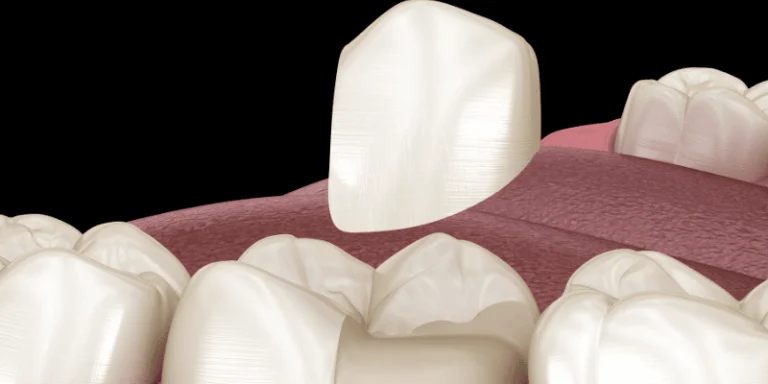




If you’re looking to fix chips, gaps, or stains in your teeth without a long or expensive process, dental bonding might be the solution for you. Dental bonding uses a tooth-colored resin to quickly rebuild or reshape your teeth in just one visit, giving you a natural and improved smile.
It’s a simple way to enhance your appearance while preserving your natural teeth. The process is gentle and usually painless, making it easy to fit into your busy schedule.
Bonding can help you feel more confident by fixing common smile issues without the need for crowns or veneers. Whether you want to brighten your smile or smooth out imperfections, dental bonding offers a fast and affordable option.
If you want to know more about how dental bonding works and whether it’s right for you, keep reading to learn what to expect and how it compares to other treatments.
Key Takeaways
- Dental bonding is a quick and affordable way to improve your smile.
- The procedure is painless and usually done in one visit.
- Bonding works well for fixing minor chips, gaps, and discoloration.
What is Dental Bonding in Smile Makeovers?
Dental bonding is a simple way to improve the look of your teeth. It uses a special tooth-colored material that can fix chips, gaps, stains, and shape issues quickly.
This process helps you get a natural-looking smile with minimal work on your teeth.
Research found that patients who underwent cosmetic dental procedures, including restorative and aesthetic treatments, reported a statistically significant increase in self‑esteem and quality-of-life scores six months after treatment.

The Role of Bonding in Cosmetic Dentistry
Bonding plays a key role in cosmetic dentistry by offering a fast and effective way to enhance your smile. It’s often chosen when you want to fix small imperfections like cracks or uneven edges without needing crowns or veneers.
The process involves applying a resin material directly to your tooth, where your dentist shapes and hardens it to match your tooth’s natural look. This means you can usually get the results in one visit.
Bonding is also minimally invasive. Your dentist will need to remove very little, if any, of your natural tooth enamel.
This helps keep your tooth healthy while improving its appearance.
Composite Resin and Tooth-Colored Materials
In dental bonding, a tooth-colored composite resin is used. This resin matches the color of your teeth so that it blends in perfectly.
The resin is malleable during application, allowing your dentist to sculpt and shape it before it hardens. The material is hardened using a special curing light, which makes the bond strong and durable.
This resin can fix problems like discoloration, small gaps, or chips, and can even reshape your teeth for a better smile. Because the resin looks natural and is smooth, it helps make your smile appear seamless.
Your dentist carefully selects the shade that fits your teeth, so the bonding blends in without being noticeable.
Benefits Over Traditional Materials
Dental bonding offers several benefits compared to older materials like dental amalgam or metal fillings. One major advantage is its natural appearance because it matches your tooth color exactly.
Bonding is less expensive than crowns or veneers, making it more accessible if you want a smile makeover on a budget. It’s also faster to apply, usually done in a single visit.
Unlike some treatments, bonding requires little to no drilling. This means less discomfort and less risk to your natural teeth.
However, bonding material can stain or chip more easily than stronger materials, so taking care of it is important.
Here is a quick comparison table of bonding versus crowns and veneers:
| Feature | Dental Bonding | Crowns | Veneers |
| Cost | Lower ($300-$600 per tooth) | Higher (often $1,000+) | Higher |
| Procedure Time | Usually one visit | Multiple visits | Multiple visits |
| Tooth Preparation | Minimal or none | Significant tooth shaping | Moderate tooth reshaping |
| Durability | Less durable, may chip | Very durable | Durable |
| Appearance | Very natural | Very natural | Very natural |
Who Should Consider Dental Bonding for a Smile Makeover?
Dental bonding can fix many smile concerns quickly and without major work. It’s a good choice if you have small cosmetic problems like gaps, chips, or discoloration that affect how your smile looks.
But it’s important to know when bonding works best and when other options might suit you better.
Ideal Candidates and Common Concerns
You’re a great candidate for dental bonding if you want to improve small imperfections like minor chips, cracks, or uneven teeth. Bonding is low-cost and usually done in one visit, making it perfect if you want quick results without losing much tooth structure.
If your teeth are healthy and free from major decay or gum disease, bonding can work well. However, if you often grind your teeth or chew hard foods, bonding might wear down faster.
Discuss your habits with your dentist to set realistic expectations.
Addressing Gaps, Chips, and Discoloration
Dental bonding excels at fixing small gaps between teeth by filling in those spaces for a more even smile. It can restore cracked or chipped teeth by adding resin that matches your tooth color.
Tooth discoloration that doesn’t respond to whitening can sometimes be hidden with bonding resin. Keep in mind, bonding won’t whiten after it’s applied, so plan to whiten your teeth first if you want an even color.
Cases Where Bonding Isn’t Suitable
If you have large gaps or badly misaligned teeth, orthodontics or veneers might work better for you. Bonding is less durable than veneers, so it’s not the best for teeth with heavy wear or major damage.
Severe tooth discoloration or staining is also tricky for bonding since the resin can stain over time. If you need a long-lasting, stain-resistant option, porcelain veneers could be a better fit.
If your goal is a full smile makeover involving major changes, talk to a dentist about a treatment plan that might combine orthodontics, veneers, and whitening for the best results.
So, is dental bonding right for you?
Learn how Dental Bonding for smile makeovers can enhance your smile, and explore treatment options at Briggs Family Dental.

Dental Bonding Procedure: Steps and Patient Experience
The dental bonding procedure is simple and usually quick. You can expect your tooth to be carefully prepared, followed by the application of a tooth-colored resin.
The material is shaped and hardened to look natural. The process is usually comfortable and offers instant improvement to your smile.
A recent narrative review highlighted that minimally invasive cosmetic restorations can meaningfully improve smile harmony and patient satisfaction, offering a conservative, lower‑cost route to aesthetic goals compared with more invasive options.
Tooth Preparation and Enamel Removal
Before the bonding starts, your tooth needs to be clean and ready for the resin. The dentist will remove a tiny bit of tooth enamel to help the bonding stick better.
This enamel removal is minimal and usually painless. It only roughens the surface slightly, so the resin will bond firmly.
A conditioning liquid called an etching solution is applied next. This makes the tooth surface sticky, which helps the resin material attach more securely.
This preparation ensures that the bonding will last longer and look natural.
Applying and Shaping the Composite
Next, the dentist applies a tooth-colored resin called composite to the prepared area. The composite material is soft at first, so it can be shaped.
Your dentist will carefully mold the resin to fit your tooth’s shape and size. They make sure it blends smoothly with your natural teeth.
This step involves making small adjustments until the bonded area looks just right. You can tell your dentist if something feels off or uncomfortable.
Curing Light and Bond Strength
Once shaped, a special curing light is used to harden the composite. The light helps the resin set and bond strongly to your tooth surface.
This curing process only takes a few minutes but makes the bond tough and durable. The light activates the materials in the resin to become hard and sturdy.
After curing, the dentist may add a final polish to give your tooth a smooth, natural shine.
Instant Results and Comfort Level
The bonding procedure usually finishes in one appointment, so you see instant results. Most patients feel little to no discomfort during and after the procedure.
Since only a small amount of enamel is removed and no drilling is needed, it’s gentle on your teeth. You might notice a slight sensitivity at first, but it usually fades quickly.
The bonding feels comfortable and blends well with the rest of your teeth, improving your smile right away.
Dental Bonding vs. Veneers and Crowns in Smile Makeovers
When you want to improve your smile, different options offer different benefits. Some treatments protect more of your tooth, while others focus on quick fixes or major repairs.
Each has a unique process, cost, and lifespan to consider.
Porcelain Veneers Compared to Bonding
Porcelain veneers are thin shells made of ceramic that cover the front of your teeth. They can change the color, shape, and size of your teeth.
Veneers usually last much longer than bonding, around 10 to 15 years, and resist stains better. Dental bonding uses a tooth-colored resin that is sculpted onto your tooth.
A retrospective study reviewed 1,459 veneer restorations (71.5% composite, 28.5% ceramic) over up to 10 years. It found that ceramic (porcelain) veneers had significantly higher longevity and lower failure rates than direct composite veneers. Annual failure rates at 10 years were 2.8% for ceramic veneers versus 10% for composite veneers.
It fixes small chips and gaps quickly, often in just one visit. However, bonding lasts less time, usually 3 to 7 years, and can stain easier.
Veneers need a small amount of enamel removed, which is permanent. Bonding requires very little tooth prep, so it’s more gentle on your teeth.
Veneers cost more but give a more durable and natural look.
Pros and Cons of Dental Crowns
Crowns cover the whole visible part of a damaged tooth. They are strong and protect teeth that are cracked or have large decay.
Crowns usually last between 10 and 20 years or more, making them the most durable option. Because crowns cover the entire tooth, more of your natural tooth is removed, about 60 to 70%.
This is more invasive than bonding or veneers. Crowns can be made of metal, porcelain, or ceramic to match your smile.
Crowns can range in cost from $1,500 to $3,000 per tooth. Some dental insurance may cover crowns if you need them for health reasons, unlike bonding or veneers that are mostly cosmetic.
Choosing the Right Cosmetic Procedure
Think about what your teeth need and your budget. If you want a quick fix for small chips or gaps, bonding is a good, affordable choice.
It is less durable but can be done in one visit. If you want to improve the look of your smile with stain-resistant results, veneers are better.
They are great for covering discoloration and reshaping teeth but need more dental work and cost more. Crowns are best if your tooth has serious damage or decay.
They add strength but require more tooth removal and multiple visits. Talk with your dentist to find what fits your smile goals and tooth health.
The American Academy of Cosmetic Dentistry suggests choosing treatments that balance durability, appearance, and how much natural tooth you want to keep.
Not sure which treatment is right for you? Explore Dental Bonding, Veneers, and Crowns on our website and find the perfect solution.
Longevity, Maintenance, and Limitations of Bonding
Dental bonding offers a quick way to improve your smile, but its lifespan and care needs vary. You’ll want to know how long bonding lasts, how to keep it looking good, and what limits you might face with this treatment.
How Long Does Dental Bonding Last?
Dental bonding usually lasts between 4 to 8 years. This depends on where the bonding is placed and your daily habits.
Bonding on front teeth tends to last longer because these teeth face less chewing pressure. Teeth used for heavy biting or grinding may wear down the bonding faster.
Proper dental check-ups help catch wear early. If bonding chips or cracks, your dentist can fix it without replacing all of it.
With good care, bonding can sometimes stay strong for up to 10 years. But it’s less durable than crowns or veneers made from porcelain.
Tips for Care and Aftercare
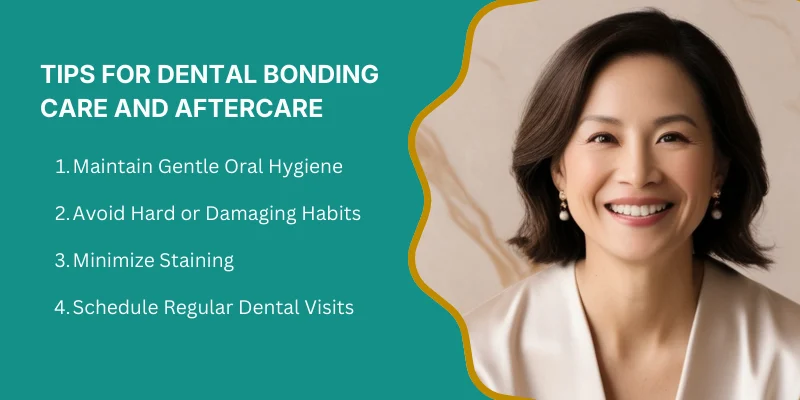
To make your bonding last, brush gently with a soft-bristled toothbrush at least twice a day. Floss daily to keep plaque away from the edges.
Avoid biting on hard things like ice, pens, or nails. If you grind your teeth at night, wearing a mouthguard can protect your bonding.
Limiting foods and drinks that stain, like coffee or red wine, helps keep the bonding color fresh. Visit your dentist every six months for cleaning and check-ups to monitor the bonded areas.
Good oral hygiene and regular appointments are key to keeping your bonding looking natural and strong.
Limitations and Risks of Bonding
Bonding is great for fixing minor chips, gaps, or discoloration, but it has limits. It is more prone to chipping or staining compared to porcelain options.
It’s not ideal for large cavities or serious damage because it’s less strong. If you have habits like nail-biting or using your teeth as tools, bonding can break easily.
Bonding may also cause tooth sensitivity if the material wears thin or if there’s decay underneath. Regular dental checkups help spot these issues early.
Finally, bonding color might not match perfectly over time due to staining or changes in your natural teeth. You may need touch-ups to keep your smile even.
Smile Transformation and Realistic Expectations
Dental bonding can create noticeable changes to your smile by filling chips, closing gaps, and covering stains. Your results will depend on your unique teeth and how well you care for the bonding.
You can also combine bonding with other treatments to get the look you want without overspending.
Aesthetic Results and Patient Satisfaction
With composite bonding, your smile can look brighter and more even. The resin material is matched to your tooth color, so it blends naturally.
Many people find this simple procedure gives them a radiant smile without major work. Keep in mind bonding is best for small to moderate fixes.
It’s less durable than veneers or crowns, so chips or stains may show over time. Regular checkups with your cosmetic dentist are important to maintain the results.
Most patients feel happy and confident with their smile transformation after bonding. Quick results and minimal tooth shaping make it a popular choice for enhancing your teeth subtly but effectively.
Combining Bonding with Other Treatments
Sometimes dental bonding works best alongside other procedures. For example, dental contouring reshapes uneven teeth to complement the bonding.
Whitening can also brighten your teeth before bonding resins are applied, helping everything match better. Your cosmetic dentist can recommend the right mix of treatments for your smile goals.
Combining approaches lets you fix multiple concerns, like discoloration plus cracks or gaps. This teamwork of treatments can improve your smile more fully than bonding alone.
Many people use bonding as a budget-friendly step before considering more extensive options like veneers or crowns. This allows you to try enhancements without large upfront costs.
Cost Factors and Affordability
Dental bonding is generally one of the more affordable cosmetic treatments. Costs depend on how many teeth need work and whether other treatments are added.
Because bonding can be done in one office visit and doesn’t require tooth removal, it saves time and money compared to veneers or crowns. While bonding may need touch-ups every few years, its low initial cost makes it a good choice if you want fast improvements without a big investment.
Always ask your dentist for a clear cost breakdown before starting treatment.
Curious about the cost of Dental Bonding for Smile Makeovers? Schedule a consultation or contact Briggs Family Dental in New Market, VA, for your personalized estimate.
Frequently Asked Questions
You might want to know about the costs involved, how dental bonding compares to other treatments, and how long it lasts. Understanding these details can help you decide what works best for your smile and budget.
What is the average cost of dental bonding for a smile makeover?
The cost of dental bonding can vary depending on how many teeth need treatment and the complexity of the work. On average, it is less expensive than veneers, usually ranging from $300 to $600 per tooth.
How does the process of getting teeth veneers work?
Getting veneers usually requires two or more dental visits. Your dentist will remove a thin layer of enamel, take impressions of your teeth, and place temporary veneers.
Then, the permanent veneers are bonded to your teeth during a follow-up appointment.
Can dental bonding be a good alternative to veneers for cosmetic enhancement?
Yes, dental bonding can repair chips, discoloration, or gaps without removing much tooth enamel. It’s a quicker, less invasive option and can be a good choice if your cosmetic issues are mild to moderate.
Is it more budget-friendly to opt for dental bonding compared to getting veneers?
Dental bonding generally costs less upfront. Since bonding is less complex and can often be done in one visit, it is usually more affordable than veneers, which cost more because of lab work and multiple visits.
What are the main differences between dental caps and veneers?
Dental caps, also called crowns, cover the entire tooth and are used when the tooth is damaged or weakened. Veneers are thin shells bonded to just the front surface to improve appearance.
Caps offer more strength, while veneers focus on cosmetic changes.
How long does the dental bonding material last on teeth?
Bonding can last between 3 to 10 years depending on your care and habits. Avoid biting hard objects and maintain good oral hygiene.
Regular dental checkups help keep your bonded teeth in good shape. They also allow your dentist to repair any chips early.