



If you notice a lot of gum showing when you smile, you might have what’s called a gummy smile. This can make your teeth look shorter, or your smile feel unbalanced.
Cosmetic dentistry offers simple and effective ways to reduce gum visibility and help you feel more confident about your smile.
There are different reasons why your gums might show too much, like extra gum tissue, small teeth, or how your lips move. Treatments range from quick procedures like gum contouring or Botox to longer options like braces or surgery.
Knowing the cause helps you and your dentist find the best approach for you.
Key Takeaways
- A gummy smile happens when excess gum covers your teeth visibly.
- Several treatments can reduce gum show without surgery.
- The right fix depends on what’s causing your gummy smile.
What Is a Gummy Smile?
A gummy smile happens when too much gum tissue shows when you smile. This extra gum display can change how your smile looks and might affect how you feel about it.
Understanding how much gum exposure counts as a gummy smile and how it impacts your smile’s balance can help you decide if you want treatment.
How Much Gum Shows Is Considered a Gummy Smile
Usually, if more than 2 millimeters of gum tissue is visible above your upper teeth when you smile, it is called a gummy smile. Dentists call this excessive gingival display.
Showing a little gum is normal, but too much can make your teeth look shorter than they really are. This happens because the gumline covers more of your teeth’s surface.
Also, factors like the size of your teeth, your upper lip’s movement, and jaw position can affect how much gum shows.
Impact on Smile Aesthetics and Confidence
When your gums show too much, your smile can look less balanced. A balanced smile has the right mix of teeth, gums, and lips all working together.
If your gumline seems too high, it can draw attention away from your teeth and change your smile’s overall look. This can affect your confidence and self-esteem.
You might feel shy about smiling or worry about how others see your smile. Treating a gummy smile can help you feel better about yourself and enjoy smiling more in daily life.

Key Causes of Gummy Smile
A gummy smile happens when more of your gums show than usual when you smile. Several specific reasons can cause this, ranging from how your teeth grew to how your jaw and lips move.
Research shows that a gummy smile, or excessive gingival display, can result from a variety of factors. Soft‑tissue causes include a hypermobile upper lip or overactive lip muscles that lift the lip too high when smiling.
Skeletal or dental factors may involve an unusually tall upper jaw, uneven tooth eruption, or dentoalveolar discrepancies.
ecause the underlying cause varies from person to person, a careful diagnosis is essential to determine the most effective treatment approach.
Understanding these causes helps you find the right treatment.
Excess Gum Tissue and Gum Overgrowth
Sometimes, you might have extra gum tissue covering your teeth. This is called gum overgrowth or excess gum tissue.
It can happen because of genetics, certain medicines, or gum disease. When your gums cover more of your teeth than they should, your tooth-to-gum ratio looks off.
This makes your teeth appear short and your gums look bigger. It is common with enlarged gums or when the gum does not shrink back properly after your teeth come in.
Dentists can fix this with procedures like gum contouring to remove excess tissue and show more of your teeth. This can help balance your smile without affecting your oral health.
Short or Worn Teeth
If your teeth are naturally short or have worn down over time, your gums will show more when you smile. This changes your tooth-to-gum ratio, making your teeth look smaller than they should.
Tooth wear can happen from grinding or aging, while short teeth might be genetic or due to how your teeth erupted. When teeth don’t fully grow in (erupt) or are covered by too much gum, your smile looks “gummy.”
Improving this often involves dental procedures like bonding, veneers, or crowns to lengthen your teeth and make your smile look more balanced.
Jaw Development and Structure
The shape and size of your jaw play a big role in how much gum you show. One common cause is vertical maxillary excess.
This means your upper jaw grows longer than usual, pushing gums into your smile line. Jaw misalignment or jaw development issues, like an uneven bite, can also make your gums show more.
When your jaw grows forward or downward too much, more tissue becomes visible. Orthodontic treatments or surgery may be needed to adjust your jaw position and reduce gum exposure for a more natural look.
Hyperactive Upper Lip and Lip Movement
A hyperactive upper lip means your lip moves up too much when you smile. This can cause your lip to pull higher than usual, exposing more gum tissue.
This muscle movement varies between people and can be genetic or due to habits. If your lip lifts too far, even normal teeth and jaw structure can look gummy.
One simple option to manage this is Botox injections, which relax the upper lip muscles and reduce how high the lip rises. For longer-term results, some people choose minor surgery to shorten the lip or change its movement.
Don’t let a gummy smile hold you back. Contact Briggs Family Dental in New Market, VA to explore treatment options tailored to you.
Consultation and Diagnosis
Before starting any treatment for a gummy smile, it’s important to carefully examine your mouth. This helps your dentist see what’s causing the extra gum tissue and decide the best way to improve your smile.
Importance of Dental Evaluation
Your dentist will begin with a detailed exam of your teeth and gums. This helps check your oral health and find any signs of gum disease that might affect treatment.
You’ll likely get X-rays or photos to see your gums’ shape and how your teeth fit together. The dentist also talks to you about your smile concerns and what results you want.
This thorough evaluation makes sure your treatment is safe and fits your needs. It also helps avoid problems during the recovery period.
Assessing Gum, Tooth, and Jaw Factors
Your gummy smile might be caused by several things. The dentist will check if your gums are too thick or if extra gum tissue covers your teeth.
They also look at your tooth size and shape, which may play a role. Sometimes, a jaw issue like a lower jaw that’s set back can make gums look larger.
Understanding these factors helps your dentist decide if gum contouring, dental veneers, or other treatments will work best for you.
Planning for Personalized Gummy Smile Treatment
After the exam, your cosmetic dentist will create a treatment plan tailored just for you. This plan might include gum reshaping or laser gum recontouring to remove extra gum tissue.
If your teeth are small or uneven, dental veneers might be part of your plan to balance your smile’s look. Your dentist will also explain the recovery period so you know what to expect after treatment.
Clear communication during this step makes sure you feel comfortable and confident in your choices.

Minimally Invasive Gummy Smile Treatments
If you want to reduce the appearance of a gummy smile without surgery, there are several gentle treatments to consider. These options target either the gums, teeth, or lip muscles to create a balanced and natural smile.
Many of these methods offer quick results and minimal downtime.
Laser Gum Contouring and Gingivectomy
Laser gum contouring reshapes excess gum tissue to reveal more of your teeth. This method uses a laser to carefully remove the extra gum, making your smile look less “gummy.”
It’s faster and less painful than traditional gum surgery with a scalpel. A gingivectomy is similar but may use a scalpel for precise cutting of overgrown gums.
Both procedures help create an even gum line and can often be done in one appointment. You can expect reduced bleeding, swelling, and discomfort with laser gum contouring.
Healing is usually quick, and you’ll see immediate improvement in your smile’s appearance.
Botox Injections for Hyperactive Upper Lip
Botox injections are a popular way to treat a gummy smile caused by a lip that lifts too high when you smile. This treatment relaxes the muscles that raise your upper lip, limiting how much gum shows.
The procedure is minimally invasive, with tiny injections in specific spots around your lip. Results appear in a few days and last about 3 to 6 months, so repeat treatments are needed to maintain the look.
Botox doesn’t affect your teeth or gums directly but can soften the overall look of your smile. It’s a good option if you want quick results without surgery.
Dental Veneers and Crowns
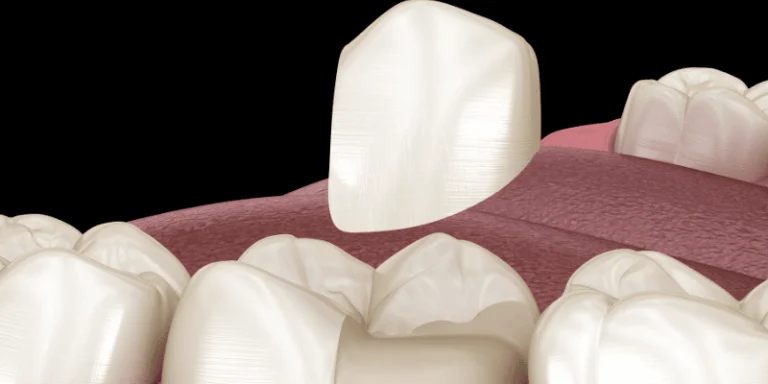
If your gummy smile is partly due to short or worn teeth, dental veneers or crowns can help. Veneers are thin porcelain shells placed over your front teeth to make them look longer and more even.
Crowns cover the entire tooth and work well if your teeth need more support than veneers can provide. Both options improve your smile’s shape and size, balancing the gum-to-tooth ratio.
These treatments are minimally invasive but may involve some enamel removal. They also brighten your smile while fixing the gummy appearance.
Teeth Whitening and Smile Enhancement
Whitening your teeth doesn’t reduce gummy display but enhances your smile’s overall appeal. Brighter teeth draw attention away from excessive gums and give a healthier look.
You can choose in-office whitening for fast results or at-home kits for gradual brightening. When combined with other treatments like veneers or gum contouring, whitening completes your smile makeover.
Pairing whitening with dental work boosts your confidence and makes your smile stand out in the best way.
Ready to transform your smile? Book a cosmetic dentistry consultation for your gummy smile at Briggs Family Dental in New Market, VA, and start loving the way you smile again.

Orthodontic and Surgical Gummy Smile Correction
If you want to reduce the gum showing when you smile, there are several effective options. Some involve moving your teeth and jaws, while others focus on reshaping your gums or lips.
Your choice will depend on how severe your gummy smile is and what results you prefer.
Braces and Clear Aligners
Braces and clear aligners are common orthodontic treatments. They gently move your teeth into better positions to reduce the gum display.
Braces use metal or ceramic brackets and wires, while clear aligners are removable and nearly invisible. These options work well if your gummy smile is caused by teeth sticking out or being crowded.
The process usually takes several months to a year or more, depending on your case. Clear aligners offer a more discreet appearance but require good discipline to wear as directed.
Orthodontics with skeletal anchorage devices may also help in some cases. These devices give extra support to move teeth more precisely, especially when your gummy smile is mild to moderate.
Crown Lengthening Procedures
Crown lengthening is a surgical method that removes extra gum tissue to expose more of your teeth. This can make your teeth look longer and your smile more balanced.
The procedure is often done if your teeth appear short due to excess gum covering. It can be done using lasers or traditional surgery, usually under local anesthesia.
The healing time is typically a few weeks. Crown lengthening is a good choice if your gummy smile results from altered passive eruption, where your gums did not recede properly during development.
It also helps prepare your teeth for crowns or veneers later.
Lip Repositioning Surgery
Lip repositioning surgery moves the upper lip to cover more of the gums when you smile. This is done by removing a small strip of tissue inside the lip and stitching it in a way that limits its lift.
This surgery is less invasive than jaw surgery and has a quicker recovery. It works best if your gummy smile is caused by hyperactive lip muscles lifting your lip too high.
The results are usually stable but may not be permanent for everyone. Some patients may need follow-up treatments if the lip returns to its original position.
Orthognathic (Jaw) Surgery
Orthognathic surgery is a more advanced option for severe gummy smiles caused by jaw bone problems. If your upper jaw grows too much vertically, this surgery can shorten it to reduce gum exposure.
The procedure involves cutting and repositioning your jaw bones under general anesthesia. It is often combined with orthodontic treatment to align your teeth afterward.
Jaw surgery offers a permanent solution for gummy smiles caused by vertical maxillary excess. Recovery takes weeks to months, and you will likely need time off work or school.
This surgery requires careful planning and is usually recommended when less invasive options aren’t enough to correct the problem.
Benefits and Considerations of Gummy Smile Correction
Fixing a gummy smile can improve how you look and feel. It can also help your gum health and oral function.
Different treatment options come with different recovery times and care needs. Understanding your choices is important.
Aesthetic Improvements and Confidence Boost
When you correct a gummy smile, you often see immediate results that make your smile look more balanced and natural. The right treatment can reduce the amount of gum showing when you smile, giving you a cleaner, more attractive appearance.
This change can boost your confidence. Feeling better about your smile helps you smile more freely and interact confidently.
Many people report feeling less self-conscious after treatment. Whether you choose gum contouring, Botox, or orthodontic methods, your smile can reflect the way you want to show yourself to others.
Oral Health Enhancements
Gummy smile correction isn’t only about looks, it also helps improve your gum health. Excess gum tissue can make cleaning difficult, leading to plaque buildup.
This increases the risk of gum disease. Treatment often includes procedures such as scaling and root planing or deep cleaning.
These remove plaque and bacteria from below the gum line, promoting healthier gums and better oral hygiene. Better gum health means reduced inflammation, less risk of gum recession, and improved overall oral function.
For a research, 50 patients with gummy smile received hyaluronic‑acid (HA) injections at specific points. Gingival exposure was measured at 1 week, 1 month, 3, 6, and 12 months; patient satisfaction and side effects were tracked.
The results showed that on average, there was a 2.5 mm reduction in gum display at one week post‑treatment. While some gum exposure returned over time (40% by 6 months; full relapse at 12 months), the immediate aesthetic improvement and high patient satisfaction (82.1%) show that non‑surgical treatment can yield quick visible results, often with minimal downtime.
Keeping your gums healthy supports stronger teeth and a more comfortable mouth.
Recovery and Aftercare
Recovery depends on the treatment you choose. Less invasive options like Botox injections have quick recovery with few side effects.
Surgical treatments like gum contouring or laser therapy might require a few days of rest. Aftercare usually includes avoiding hard or hot foods and following specific cleaning routines to protect your gums.
Your dentist might recommend gentle brushing and using an antimicrobial rinse during healing. It’s important to follow your dentist’s instructions carefully to prevent infection and ensure the best results.
Some treatments provide a permanent solution, but good home care helps keep your smile healthy long-term.
Selecting the Right Cosmetic Dentistry Option
Choosing the best option depends on your gummy smile’s cause and severity. Mild cases often respond well to Botox or fillers, which relax the muscles pulling the upper lip excessively.
More permanent results might require orthodontics or surgical methods, like crown lengthening or laser gum reshaping. These target excess gum tissue or bone to strike a better balance between teeth and gums.
Discuss your goals and concerns with your dentist. They may suggest combining treatments to get the best outcome.
Understanding the risks, benefits, and recovery time helps you pick a solution that works for your lifestyle and smile goals.
Don’t wait to achieve a balanced, confident smile. Book your gummy-smile consultation at Briggs Family Dental today and discover the treatment that’s right for you.
Frequently Asked Questions
You’ll find several ways to treat a gummy smile, from quick non-surgical options to more involved surgeries. Recovery times vary depending on the treatment, and results can last for months or even permanently.
What are the common procedures for treating a gummy smile?
Common treatments include Botox injections to relax the upper lip muscles and laser gum contouring to remove extra gum tissue. Surgical options like crown lengthening reshape the gums, and lip repositioning surgery limits how far your lip lifts.
Orthodontics can also help if tooth or jaw position causes the gummy look.
How much time does it typically take to recover from gummy smile surgery?
Recovery time depends on the procedure. Laser gum contouring usually requires only a few days.
More involved surgeries like crown lengthening or lip repositioning may need one to two weeks for healing. Jaw surgery has a longer recovery period, often several weeks.
Are there non-surgical options available for correcting a gummy smile?
Yes. You can use Botox or dermal fillers as non-surgical options.
Botox relaxes muscles that pull the lip up too much. Fillers add volume to the upper lip, helping to cover the gums.
These options offer temporary results and minimal recovery time.
How long do the results of gummy smile correction last?
Results vary by treatment. Botox and fillers typically last between three to twelve months.
Laser gum contouring and crown lengthening can provide permanent improvement. Surgical corrections for jaw or lip position are also permanent but may require careful maintenance.
What risks are associated with gummy smile corrective procedures?
Risks depend on the treatment you choose. Botox and fillers can cause mild swelling or bruising.
Surgical procedures carry risks like infection, discomfort, and longer healing times. It’s important to discuss these risks with your dentist before starting treatment.
What should I expect during a gummy smile consultation?
Your dentist will examine the position of your gums, teeth, and lips. They may take photos or X-rays to understand the cause of your gummy smile. Be ready to discuss your goals, treatment options, and costs.