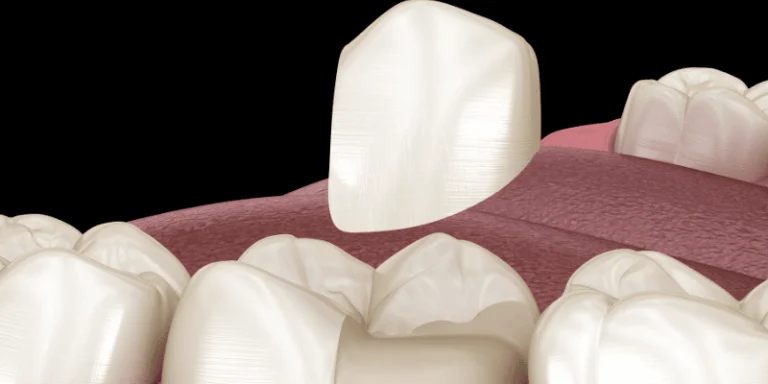




Teeth whitening is a popular way to brighten your smile. Understanding how it actually works can help you choose the best method.
Whitening happens when certain chemicals break down stains on and inside your teeth, making them look lighter and brighter. This process targets the discoloration caused by coffee, tea, smoking, or natural aging.
Your teeth have layers, with the outer enamel and inner dentin affecting how they look. Stains can sit on the surface or be deeper inside.
Some whitening methods remove surface stains, while others reach into the enamel to change the color of molecules that cause darkening. Knowing this helps you understand why some treatments work faster or last longer than others.
You might see many products promising great results, but each uses different ingredients and techniques. From professional treatments done at the dentist to at-home kits, the science behind whitening can guide you in picking a safe and effective option that fits your needs.
Key Takeaways
- Whitening breaks down stain molecules to lighten tooth color.
- Teeth have surface and deeper stains that affect whitening results.
- Different products and treatments offer varying levels of effectiveness and safety.
Tooth Anatomy and the Basis of Whitening
Your teeth have several layers that work together to give them strength and color. Understanding these layers helps explain how whitening treatments work and why results can vary depending on your tooth structure.
Structure of Enamel and Dentin
The outer layer of your tooth is called enamel. It’s the hardest part of your body and protects your teeth from damage.
Enamel is mostly clear but can look white because of how it interacts with light. Beneath the enamel is the dentin, a softer layer that is naturally yellowish.
Dentin makes up most of your tooth and affects the overall color you see. Since enamel is somewhat transparent, the color of dentin plays a big role in how your tooth looks.
When you whiten your teeth, the process targets stains both on the enamel surface and those that reach into the dentin beneath. Strong or thick enamel may slow whitening, while thinner enamel shows dentin color more, which can affect the final shade.
Role of Pulp and Tooth Color
Inside your tooth is the pulp, which contains nerves and blood vessels. The pulp itself doesn’t directly impact tooth color, but changes in the pulp, like damage or aging, can cause your teeth to darken from the inside.
For example, injury or root canal treatment may make a tooth look darker because of changes in the pulp tissue. Whitening treatments mainly work on enamel and dentin, so sometimes internal discoloration needs different dental care beyond whitening gels.
Knowing about your pulp health is important before starting whitening. Issues there can affect how your teeth respond to treatment or cause sensitivity.
How Tooth Anatomy Influences Whitening Outcomes
Your tooth anatomy impacts how well whitening treatments work. Because enamel is semi-transparent and stains often travel into dentin, whitening gels need to penetrate both layers to be effective.
Factors that influence results include:
- Thickness of enamel
- Amount and color of dentin
- Tooth cracks or weak spots where gels can enter more easily
Lower teeth often whiten more slowly because saliva washes away the gel faster. Areas like the gums and roots have less enamel, so whitening may not fully lighten those parts.
A study tested how different enamel thicknesses affect the color-change achieved by bleaching agents (carbamide peroxide and hydrogen peroxide) on enamel/dentin specimens. Teeth with thinner enamel responded differently than thicker enamel to whitening.
See how teeth‑whitening can brighten your smile. Schedule your whitening appointment at Briggs Family Dental in New Market, VA today!
Understanding Tooth Discoloration
Tooth discoloration happens for different reasons and can affect how your smile looks. Knowing what causes stains and how they form can help you take better care of your teeth and choose the right whitening options.
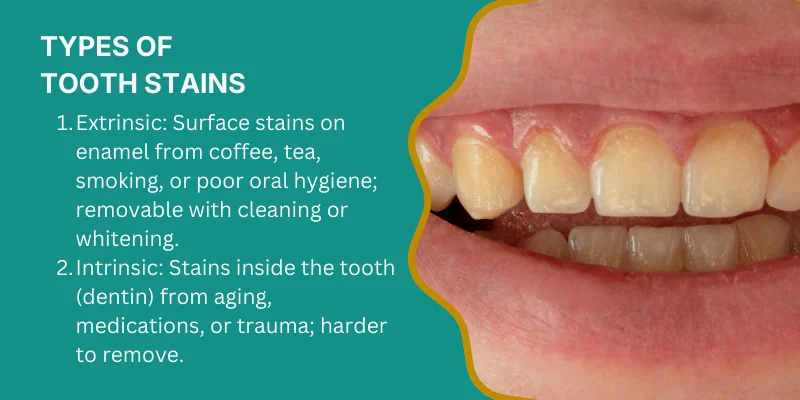
Types of Tooth Stains: Extrinsic and Intrinsic
You may notice two main types of stains on your teeth: extrinsic and intrinsic.
- Extrinsic stains happen on the outer surface of your teeth, the enamel. They come from things like coffee, tea, smoking, or poor oral hygiene.
These stains can often be removed with good brushing or professional cleanings.
- Intrinsic stains occur inside the tooth, in the dentin beneath the enamel. They are caused by things like aging, certain medications, or trauma to the tooth.
These stains are deeper and harder to fix. You might need treatments like bleaching, veneers, or crowns to address these.
Common Causes of Tooth Discoloration
Tooth color changes because of various reasons, some related to your lifestyle or health.
- Drinking dark drinks like coffee, tea, soda, or red wine can leave stains on your enamel.
- Smoking adds tar and nicotine that cause yellow or brown patches.
- Poor oral hygiene lets plaque and tartar build up, creating a dull look.
- Certain antibiotics like tetracycline can cause discoloration if used in childhood.
- Excess fluoride during childhood may damage enamel and cause white or brown spots.
- Tooth injury or illness can affect the dentin, leading to intrinsic stains.
Impact of Chromogens and Stain Formation
Chromogens are colored compounds found in foods and drinks that stick to your teeth and cause stains. These molecules attach to the tooth surface by bonding with proteins in your enamel.
Over time, the buildup of chromogens turns into visible stains. Because intrinsic stains come from inside the tooth, they involve chromophores, molecules inside the dentin that hold color.
These are harder to remove than surface stains. Understanding how chromogens work can help you pick the right whitening method and keep your teeth bright with better dental care.
The Chemistry Behind Teeth Whitening
Teeth whitening works through chemical reactions that change the color of the stains on your teeth. Certain agents break down stain molecules so your teeth look brighter.
Understanding these agents and how they work helps you choose the best whitening option for your needs.
Oxidation Process and Whitening Agents
The main chemical reaction behind teeth whitening is called oxidation. Whitening agents like hydrogen peroxide release oxygen molecules when they break down.
These oxygen molecules interact with stain molecules on your teeth. The oxygen breaks the bonds that hold the stain molecules together, turning them into smaller, colorless parts.
This process helps remove yellow or brown stains caused by things like coffee or wine. Most whitening products rely on this oxidation process to lighten your tooth color.
The strength and speed of whitening depend on the agent used and how long it stays on your teeth.
Hydrogen Peroxide vs. Carbamide Peroxide
Hydrogen peroxide is the most common bleaching agent used in teeth whitening. It works fast because it directly releases oxygen to break down stains.
You can find it in both professional treatments and some home whitening kits. Carbamide peroxide breaks down into hydrogen peroxide and urea when it touches your mouth.
This means it releases hydrogen peroxide more slowly, making it a gentler option. Many at-home whitening products use carbamide peroxide because it causes less sensitivity.
| Whitening Agent | Breakdown Speed | Typical Use |
| Hydrogen Peroxide | Fast | In-office and some home kits |
| Carbamide Peroxide | Slow (over time) | Mostly home kits and strips |
Breaking Down the Whitening Reaction
When whitening agents reach your teeth, they penetrate through the enamel to reach the stains. Enamel is mostly mineral, but the stain molecules sit inside and on the surface.
The released oxygen molecules from peroxide react with these stains by breaking the chemical double bonds that give stains their color. This reaction changes the stains into smaller molecules that are less visible.
Because the reaction involves oxygen, good contact time between your teeth and the whitening agent is important. Longer exposure usually improves whitening but can increase the chance of sensitivity or mild enamel changes if overused.
This is why professional treatments carefully control concentration and time to balance whitening with safety.
Want brighter teeth tailored to your smile? Schedule a consultation at Briggs Family Dental in New Market, VA, and see how your tooth anatomy affects your whitening results!
Professional Whitening Treatments
Professional whitening treatments use special gels and techniques to brighten your teeth safely and effectively. These treatments focus on removing deep stains and boosting whitening results faster than home methods.
You will learn how in-office treatments work, the role of light activation, and what results and safety you can expect.
A study examined how enamel and dentin individually affect tooth color and whitening results. Researchers exposed isolated enamel and dentin samples to staining agents and bleaching treatments, finding that both tissues play key roles in the final appearance of teeth.
Enamel thickness and translucency influenced the perceived color change, while dentin determined baseline shade and how effectively whitening agents could lighten the tooth.
The study shows that variations in internal tooth structure, not just surface stains, significantly impact whitening outcomes, emphasizing the need to consider individual tooth anatomy when planning treatments.
How In-Office Whitening Works
In-office whitening involves applying a strong whitening gel to your teeth. This gel usually contains hydrogen peroxide or carbamide peroxide.
These ingredients break down stains and lighten the color of your tooth enamel. Before applying the gel, your gums are protected to avoid irritation.
The gel stays on your teeth for about 15 to 30 minutes during each session. Depending on your needs, multiple sessions may be needed to reach your preferred shade.
Your dentist customizes the treatment to your teeth’s condition. This personalized approach helps you get the best results while minimizing sensitivity and side effects.
Light Activation and Accelerated Results
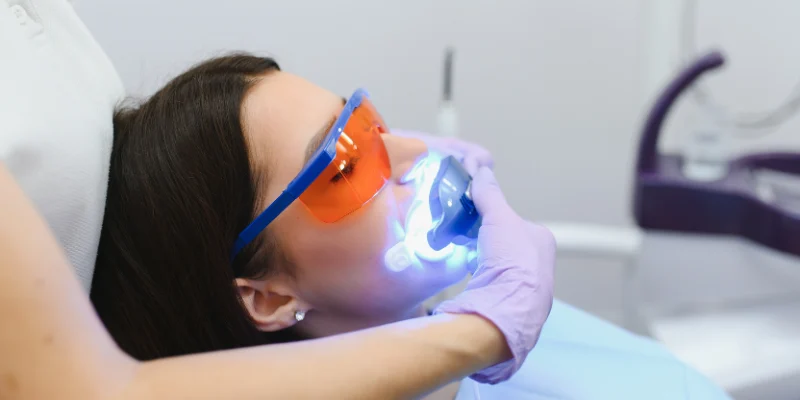
Some in-office treatments use special lights or lasers to speed up the whitening process. The light activates the whitening gel, helping it break down stains more quickly and deeply.
This light activation can make a noticeable difference in how fast your teeth whiten. You might see visible changes after just one session, which is often faster than at-home treatments.
The light also helps maintain even whitening across all your teeth. However, it’s important to know that the light itself doesn’t bleach teeth; it only helps the gel work better.
Expected Whitening Results and Safety
You can expect professional whitening to brighten teeth by several shades, often making your smile noticeably whiter in a short time. These results usually last longer than over-the-counter products if you maintain good dental habits.
Some people experience mild tooth sensitivity or gum irritation after treatment. These effects usually fade within a few days.
Your dentist can suggest ways to reduce sensitivity during and after the procedure. Professional whitening is safe when done by a dentist who customizes the treatment to your needs.
It is effective for many types of stains caused by food, drinks, or smoking but might not work on all dental discolorations.
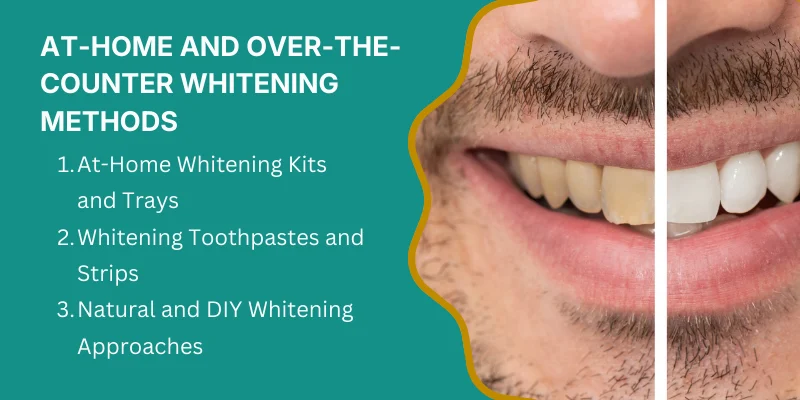
At-Home and Over-the-Counter Whitening Methods
You can find many options to brighten your smile without visiting a dentist. These methods vary in strength, ease of use, and how long they take to show results.
Some work by removing surface stains, while others use bleaching agents for deeper whitening.
At-Home Whitening Kits and Trays
At-home whitening kits usually come with trays and a whitening gel containing hydrogen peroxide. You apply the gel to the trays and wear them for a set time daily, usually 30 minutes to an hour.
These kits offer results similar to dentist treatments but take longer, often a few weeks. Many kits include LED lights to speed up whitening.
This combination can remove tough stains from coffee, tea, or wine. You might feel some tooth sensitivity, but most users find it mild and temporary.
The trays fit your teeth for better contact with the whitening gel, which makes the process more effective.
Whitening Toothpastes and Strips
Whitening toothpastes use mild abrasives and low levels of peroxide or special chemicals to remove surface stains. They are easy to add to your daily routine but take longer to show visible changes.
Toothpastes with hydrogen peroxide can help lift years of stains with consistent use.
Whitening strips are thin, flexible strips coated with peroxide gel. You apply them directly to dry teeth for about 15 to 45 minutes a day.
Strips are convenient and can whiten teeth by about 2 to 3 shades in two weeks. Some strips may leave residue or cause slight gum irritation, so follow instructions carefully.
Natural and DIY Whitening Approaches
You might be interested in natural options like baking soda, activated charcoal, or homemade mixtures such as strawberry and baking soda paste. Baking soda gently polishes teeth and can reduce surface staining.
Activated charcoal is often used to absorb stains but can be abrasive if used too often. These natural methods usually work slower and are less strong than peroxide-based products.
Use them gently and avoid frequent use to protect your enamel. While they offer a low-cost option, their results may not be as reliable or lasting as commercial whitening products.
Risks, Side Effects, and Best Practices
Whitening your teeth can brighten your smile, but you need to be aware of some common side effects and ways to keep your teeth healthy.
Protecting your gums and maintaining good dental care will help you enjoy lasting results without problems.
Tooth Sensitivity and Gum Irritation
Tooth sensitivity is one of the most common side effects of whitening. You might feel a sharp or tingling sensation when you eat or drink hot or cold items.
This happens because whitening agents can temporarily affect the nerves inside your teeth. Gum irritation can occur if the whitening gel touches your gums too much.
This may cause redness or soreness. Protect your gums during treatment by applying gel carefully or using a dental tray made to fit your mouth.
If you experience sensitivity or irritation, avoid whitening for a few days and use toothpaste designed for sensitive teeth. Always talk to your dentist if discomfort lasts longer than a week or gets worse.
Maintaining Whitening Results
To keep your teeth looking bright, brush and floss regularly to remove stains and plaque. Avoid foods and drinks that cause discoloration, such as coffee, tea, red wine, and tobacco.
Use a whitening toothpaste once or twice a week to help maintain the color. Drinking water after meals can also wash away staining agents.
Schedule regular dental cleanings to remove surface stains and check your oral health. Good dental care supports long-lasting whitening results and keeps your mouth healthy overall.
Ensuring Safe and Effective Whitening
Choose whitening products or treatments recommended by your dentist to reduce risks. Overusing whitening products or trying DIY methods can damage your enamel or hurt your gums.
Follow the instructions carefully with any whitening method. Avoid applying the gel more often or for longer than advised, as this increases the chance of side effects.
If you have sensitive teeth, gum disease, or damaged enamel, discuss options with your dentist. They can suggest safer methods or alternatives.
For more details on the risks and side effects, visit When Is Too Much Teeth Whitening Harmful to Oral Health?
Protect your smile while getting brighter teeth. Book a professional teeth-whitening consultation at Briggs Family Dental in New Market, VA, today!
Frequently Asked Questions
Teeth whitening results vary depending on the method and your habits. Costs, procedure types, and safety also differ between at-home and professional options.
How long does teeth whitening typically last?
Whitening results usually last from several months up to a few years. How long your teeth stay bright depends on factors like your diet, oral care, and the type of whitening used.
You may need touch-ups to maintain the effect.
What are the differences between at-home and professional teeth whitening?
At-home whitening uses lower-strength peroxide gels and custom or over-the-counter trays. It takes longer but lets you whiten on your schedule.
Professional whitening is faster, uses stronger gels, and includes monitoring by dental staff to reduce sensitivity and improve results.
What should I expect to pay for teeth whitening at the dentist?
The cost varies widely but often ranges from $300 to $1,000 for in-office treatments. Take-home professional kits from your dentist usually cost less.
Prices depend on the products used, treatment complexity, and location.
Which teeth whitening methods are approved by the American Dental Association?
The ADA approves whitening products with safe peroxide levels and evidence of effectiveness. Both professional in-office treatments and take-home kits prescribed by dentists meet these standards.
Over-the-counter products with ADA Seal of Acceptance are considered safe and effective.
What are the common side effects after a teeth whitening procedure?
You might experience tooth sensitivity or mild gum irritation after whitening. These effects are usually temporary and go away within a few days.
Using desensitizing toothpaste and following your dentist’s instructions can help reduce discomfort.
What variety of teeth whitening procedures are available through dental professionals?
Dentists offer in-office power bleaching and custom take-home trays. Combination treatments using both methods are also available.
Some offices use light or laser activation to help whitening gels work faster. Your dentist will recommend the best choice based on your needs and stain type.