

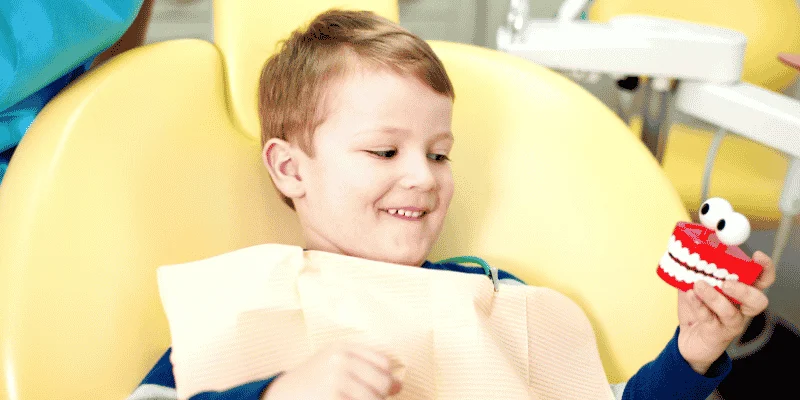
Many parents assume their child’s first trip to the dentist should happen around kindergarten or when all their baby teeth come in.
This common belief puts kids at risk for cavities and other dental problems that could have been prevented with earlier care.
Your child should see a pediatric dentist by age one or within six months after their first tooth appears, not at age five when problems may already be causing pain.
Baby teeth need just as much attention as adult teeth. They help your child eat, speak, and hold space for permanent teeth that will come in later.
Early dental visits help prevent baby bottle tooth decay and other issues that can affect your child’s development and overall health.
Selecting a family dentist for your child early does more than protect their teeth. It helps them feel comfortable in the dental office and builds good habits that last a lifetime.
You will also learn how to care for your child’s teeth at home and what to watch for as new teeth come in.
Key Takeaways
- Your child needs their first dental visit by age one or within six months of getting their first tooth
- Early dental care prevents problems like cavities and baby bottle tooth decay while teaching good oral health habits
- The first visit includes a gentle exam and gives you important information about caring for your child’s teeth at home
The Ideal Age for a Child’s First Dental Visit
Dental experts agree on a specific timeline for your child’s first dental visit that’s much earlier than most parents expect.
The appearance of your baby’s first tooth marks the countdown to scheduling that initial appointment, and waiting until kindergarten puts your child at unnecessary risk for dental problems.
Recommended Timeline by Dental Experts
The American Academy of Pediatric Dentistry recommends scheduling your child’s first dental visit by age 1 or within six months after the first tooth appears.
This timeline isn’t random. It’s based on research showing that early dental care prevents cavities and sets up good habits for life.
Most babies get their first tooth around 6 months old. This means you should book a dentist appointment between 6 and 12 months of age. Your family dentist or a pediatric dentist can both provide quality care at this stage.
The “first birthday” rule makes it easy to remember. Plan the first dentist visit as part of your child’s first-year milestones, just like their other wellness checkups.
Link Between the First Tooth and the First Dentist Appointment

Your baby’s first tooth does more than just look cute. It signals that decay can now happen, which is why dental care needs to start right away.
Baby teeth are vulnerable to cavities from the moment they erupt. Bacteria in the mouth feed on sugars from milk, formula, and food, creating acid that damages tooth enamel.
Even infants can develop baby bottle tooth decay if proper care doesn’t begin early.
The six-month window after the first tooth gives you time to establish cleaning routines and get professional guidance. A pediatric dentist can show you proper brushing techniques and discuss feeding practices that protect those new teeth.
Why Waiting Until Age 5 Is Too Late
By age 5, your child already has a full set of 20 baby teeth that have been in their mouth for years. Waiting this long means potential cavities go undetected and untreated, possibly requiring more invasive procedures.
Tooth decay is the most common chronic childhood disease. Kids who don’t see a dentist until preschool or kindergarten often already have multiple cavities. These early cavities can damage the permanent teeth developing underneath the gums.
Starting dental visits at age 5 also misses the critical window for building comfort with dental care. Young children who visit the dentist regularly from infancy view it as a normal part of healthcare.
Older kids meeting a dentist for the first time may feel anxious or scared, making future visits harder.
Why Early Dental Care Matters
Early dental care protects your child from preventable problems like baby bottle tooth decay and cavities that can start as soon as teeth appear.
Starting dental visits by age one helps dentists catch issues early and teach you proper feeding habits and cleaning techniques.
Preventing Baby Bottle Tooth Decay and Early Childhood Cavities
Baby bottle tooth decay happens when sugary liquids stay on your child’s teeth for too long. This includes breast milk, formula, juice, and sweetened drinks.
When you put your child to bed with a bottle or let them sip on sugary drinks throughout the day, the sugars feed bacteria that create acid and damage tooth enamel.
Early childhood cavities can develop quickly in baby teeth. Many parents think baby teeth don’t matter because they fall out anyway, but that’s not true.
Cavities in baby teeth can cause pain, infection, and problems with eating and speaking.
To prevent baby bottle tooth decay, only put breast milk or formula in bottles. Never give your child a bottle of juice or sweetened liquid at bedtime.
Make sure your child finishes their bottle before falling asleep, and brush their teeth afterward when possible.
The Impact of Infant Feeding Practices and Pacifier Habits
Your infant feeding practices directly affect your child’s oral health. A pediatric dentist can guide you on proper bottle-feeding techniques and when to transition from bottle to cup. Most children should start using a cup around their first birthday.
Pacifier habits also play a role in dental development. While pacifiers can comfort babies, prolonged use past age two or three can affect how teeth grow and align.
Your dentist can assess whether your child’s pacifier use is causing problems with their bite or tooth position.
Frequent snacking on sugary foods and drinks between meals creates more opportunities for cavities to form. Limit sticky candies, fruit leather, and sweetened beverages.
Offer whole fruit instead of juice since the fiber helps clean teeth naturally.
The Role of Routine Checkups and Parental Guidance
Regular dental visits every six months help catch small problems before they become bigger issues. Some dentists schedule visits every three months for young children to build comfort and monitor development closely.
These checkups let your dentist track how teeth are growing and spot potential concerns early.
Your pediatric dentist teaches you proper home care techniques. This includes how to clean your baby’s gums before teeth appear and the right way to brush emerging teeth.
You’ll learn to use a rice-grain-sized amount of fluoride toothpaste for babies and a pea-sized amount after age three.
Parents need to help children brush until age seven or eight. Watch your child brush and make sure they follow the same pattern each time to avoid missing spots.
Your dentist can demonstrate the best brushing techniques during visits and answer questions about your child’s specific needs.
What to Expect During Your Child’s First Dentist Visit
The first appointment typically lasts 30 to 45 minutes and focuses on making your child comfortable while checking their oral development.
Your dentist will examine your baby’s mouth, discuss home care habits, and may perform age-appropriate preventive treatments.
How Dentists Assess Your Child’s Oral Health
During your child’s first dental visit, the dentist performs a full exam of the teeth, jaws, bite, gums, and oral tissues. This check helps track growth and development patterns.
For very young babies, you’ll hold your child on your lap while sitting in the dental chair. The dentist will look for any signs of tooth decay or developmental concerns. They’ll count the teeth that have erupted and check for proper spacing.
The examination also includes checking your baby’s bite alignment and jaw position. Your dentist looks at how the upper and lower teeth fit together.
They’ll assess the soft tissues inside the mouth, including the tongue, cheeks, and roof of the mouth.
What the dentist checks:
- Number and condition of erupted teeth
- Gum health and tissue development
- Jaw alignment and bite formation
- Signs of tooth decay or damage
- Tongue movement and oral function
Education for Parents About Preventive Care
Your family dentist or pediatric dentist will teach you proper care techniques during this visit. You’ll learn about baby bottle tooth decay and how to prevent it.
They’ll explain that bottles should only contain breast milk or formula, never juice or sweetened drinks.
The dentist will show you correct brushing methods for your child’s age. Before teeth appear, you should clean gums with a clean, damp cloth.
Once the first tooth erupts, use a soft-bristled toothbrush with a rice-grain-sized amount of fluoride toothpaste.
You’ll receive guidance on infant feeding practices that protect teeth. This includes limiting bottle time and ensuring your child finishes bottles before sleeping.
The dentist will discuss teething, pacifier habits, and finger-sucking concerns. They’ll also advise when to transition your child from a bottle to a cup, typically around their first birthday.
Fluoride, Cleaning, and X-Rays: What’s Appropriate for Babies
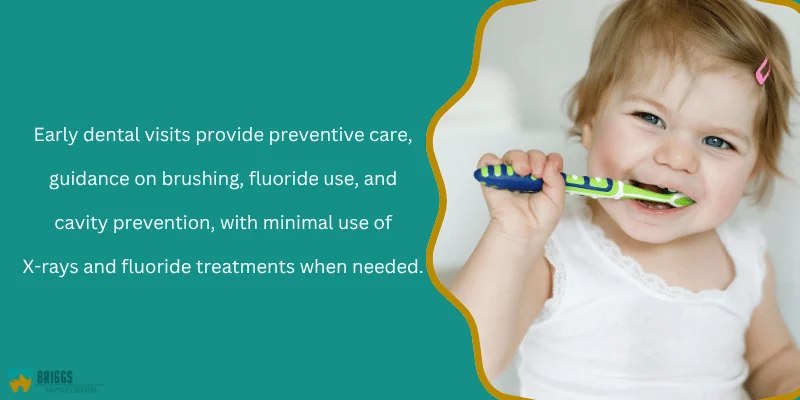
The benefits of early dental visits include receiving age-appropriate preventive care tailored to your child’s needs. If needed, your dentist may perform a gentle cleaning that includes polishing teeth and removing plaque or tartar buildup.
Fluoride toothpaste guidelines:
- Birth to first tooth: No toothpaste needed
- First tooth to age 3: Rice grain-sized amount
- Age 3 and up: Pea-sized amount
X-rays are rarely necessary at the first dentist visit for babies and toddlers. Dentists only recommend them when diagnosing suspected decay or checking if a jammed baby tooth affects an adult tooth below.
Young children generally should not have dental X-rays unless absolutely needed.
The dentist will advise you on fluoride needs based on your water supply and your child’s risk for cavities. Some children benefit from fluoride varnish applications, which strengthen tooth enamel and prevent decay.
Choosing the Right Dental Professional for Your Child
Finding the right dentist for your child involves understanding different types of dental providers, identifying key qualities that make visits comfortable, and setting the stage for positive experiences that last a lifetime.
The Differences Between Pediatric and Family Dentists
A pediatric dentist completes two to three years of specialized training beyond dental school focused entirely on children’s oral health. These specialists work exclusively with infants, children, and teenagers.
Family dentists treat patients of all ages, from young children to grandparents. They provide general dental care for your entire household in one location.
Pediatric dentists receive training in child development, behavior management, and treating conditions specific to growing mouths.
Their offices typically feature child-friendly environments with toys, colorful décor, and staff trained to work with young patients.
Family dentists offer convenience if you want everyone in your household to visit the same provider. However, they may have less specialized equipment or experience managing anxious toddlers during their first appointments.
The American Academy of Pediatric Dentistry recommends visiting a dentist when the first tooth appears, or by 12 months at the latest.
Qualities to Look For in a Dental Provider
Look for a dentist who communicates clearly with both you and your child using age-appropriate language. They should explain procedures in simple terms that don’t cause fear.
The office environment matters significantly. Check if the waiting room has books, toys, or activities to keep children comfortable before their appointment.
Key qualities include:
- Experience with young children and infants
- Patience when working with fearful or uncooperative kids
- Gentle techniques during examinations
- Positive reinforcement rather than criticism
- Clean, welcoming facilities with child-sized equipment
Ask about their approach to preventive care and how they handle a dental emergency. A good provider will educate you about proper brushing techniques, diet recommendations, and what to expect as your child’s teeth develop.
Check their office hours and location to ensure regular dental visits fit your schedule without excessive travel time.
Creating Positive First Experiences to Build Lifelong Habits
The first dental visit sets the tone for how your child views oral healthcare throughout their life. Choose a provider who focuses on making this experience enjoyable rather than clinical.
Many pediatric offices offer “happy visits” where children tour the facility, sit in the dental chair, and meet the staff without any actual treatment. This builds familiarity and reduces anxiety.
Avoid using words like “pain,” “hurt,” or “scary” when talking about the dentist. Instead, frame it as an adventure where someone will count their teeth and make sure their smile stays healthy.
Select a dentist who allows you to stay with your child during the appointment if it helps them feel secure.
Some providers prefer parents in the room for very young children, while others have different approaches based on the child’s age and temperament.
Ways providers create positive experiences:
- Explaining each step before doing it
- Using kid-friendly names for tools (“tooth counter” instead of “explorer”)
- Offering prizes or stickers after visits
- Playing music or showing videos during exams
Schedule appointments when your child is typically well-rested and cooperative, not during nap time or when they’re hungry.
Practical Tips for Parents to Support Early Oral Health
Starting oral care early and preparing for that first dentist visit doesn’t have to be complicated. Simple daily habits at home and a little preparation can set your child up for a lifetime of healthy teeth.
Preparing for the First Dental Visit

Schedule your child’s first dental visit within six months of their first tooth appearing or by their first birthday. This timing allows the dentist to catch potential problems early and give you guidance on preventing childhood cavities.
Before the appointment, talk to your child about the dentist in a positive way. Read books about dental visits or play pretend dentist at home. Keep your explanations simple and avoid using words like “pain” or “hurt” that might create anxiety.
Choose a pediatric dentist who specializes in working with young children. These dentists have offices designed to make kids feel comfortable and staff trained to handle nervous little ones.
Bring your child’s favorite toy or comfort item to help them feel secure during the visit.
At-Home Oral Hygiene for Babies and Toddlers
Wipe your baby’s gums twice a day with a soft, clean cloth in the morning after feeding and before bed. This removes bacteria and sugars that cause cavities.
Once teeth appear, brush twice daily with a soft-bristled toothbrush.
Use plain water for babies under two years old unless your dentist recommends fluoride toothpaste. For children over two, use a pea-sized amount of fluoride toothpaste and make sure they spit it out instead of swallowing.
Help your child brush until they develop good skills, usually around age six. Young children don’t have the coordination to brush effectively on their own yet.
Establishing a Lifetime of Healthy Habits
Dental sealants prevent 80% of cavities in back teeth, so ask your dentist when your child is ready for them. Drinking fluoridated tap water also helps prevent tooth decay.
Limit sugary snacks and drinks between meals. Offer water instead of juice, and save sweets for mealtimes when saliva production is higher to help wash away sugar.
Make brushing fun by letting your child pick their toothbrush color or playing a two-minute song while they brush. These small steps create positive associations with oral care that last into adulthood.
Frequently Asked Questions
Parents often wonder about the right timing for dental visits and what to expect when bringing very young children to the dentist. Most babies should see a dentist by their first birthday or when their first tooth appears, and visits typically involve gentle exams and parent education rather than extensive procedures.
When should I schedule my baby’s very first dental appointment?
You should schedule your baby’s first dental visit within six months after their first tooth comes in or by their first birthday, whichever comes first. This timing helps catch any early problems before they become bigger issues.
Some parents choose to schedule even earlier if they have concerns about their baby’s teeth or gums. The dentist can answer your questions and show you how to care for those tiny new teeth.
What happens during a dental check-up for a 1- or 2-year-old?
The dentist will gently look inside your child’s mouth to check their teeth and gums. They’ll count how many teeth have come in and look for any signs of decay or other problems.
You’ll also get helpful information about cleaning your child’s teeth, preventing baby bottle tooth decay, and what to expect as more teeth grow in.
The dentist might show you the best way to brush your toddler’s teeth and talk about healthy eating habits.
Most of the appointment focuses on teaching you how to keep your child’s mouth healthy. Your child might sit in your lap during the exam, which helps them feel safe and comfortable.
My child is already 2 (or older) and hasn’t been to the dentist yet—what should I do?
Call a dentist right away to schedule your child’s first appointment. It’s better to go now than to wait any longer.
Let the dental office know this is your child’s first visit. They can give you extra time and help make the experience positive for your child.
Don’t feel guilty about the delay. Just focus on getting your child the care they need moving forward.
How can I help my toddler feel calm if they cry or get scared at the dentist?
Stay calm yourself because your child picks up on your emotions. Speak in a cheerful, relaxed voice and avoid saying things like “don’t worry” or “it won’t hurt,” which can actually make kids more nervous.
Bring a favorite stuffed animal or blanket if that helps your child feel secure. You can also read books about going to the dentist before the appointment.
If your child cries, that’s normal for young kids. The dental team knows how to work with scared children and will go slowly.
Do young children really need fluoride, and should my child take fluoride supplements?
Fluoride helps protect teeth from cavities by making the tooth surface stronger. Most toddlers get enough fluoride from drinking water and using a small amount of fluoride toothpaste.
Your dentist might recommend fluoride supplements if your drinking water doesn’t contain fluoride. They’ll test your water or ask about your water source to decide if your child needs extra fluoride.
Never give fluoride supplements without asking your dentist first. Too much fluoride can cause white spots on teeth.
How often should toddlers have dental check-ups and cleanings?
Most young children should visit the dentist every six months for routine check-ups. Your dentist might suggest more frequent visits if your child has a higher risk of cavities or other dental problems.
Regular visits help the dentist spot any issues early when they’re easier to fix. They also help your child get used to dental appointments, which makes future visits easier.