



If you feel like your teeth look smaller than they should, you’re not alone. Many people have small teeth due to genetics, wear, or other factors.
Cosmetic dentistry offers simple and effective ways to make your teeth look fuller and more balanced without harming your natural teeth. Treatments like porcelain veneers can close gaps, change the shape, and create a brighter, more confident smile.
You don’t have to settle for a smile that makes you feel self-conscious. Dentists can customize solutions to fit your face and bite, making sure your new smile looks natural and supports your overall appearance.
With options that are often quick and non-invasive, improving small teeth is easier and more accessible than you might think.
Key Takeaways
- Small teeth can be enhanced safely with cosmetic dental treatments.
- Customized veneers can improve the size, shape, and color of your teeth.
- A skilled dentist will choose the best approach to match your smile and facial structure.
Understanding Small Teeth and Their Causes
Small or short teeth can happen for different reasons. Sometimes it’s about how your teeth grow, other times it’s because of habits or the way your gums look.
Knowing the causes can help you decide the best way to improve your smile.
Genetics and Microdontia
Your genes play a big role in tooth size. Microdontia is a condition where one or more of your teeth are smaller than usual.
A review of tooth‑development anomalies shows that microdontia arises from disturbances in tooth morphogenesis (development), which involves tightly regulated genetic and epigenetic processes.
It often affects the upper lateral incisors, the teeth next to your two front teeth. Microdontia can run in families or happen due to genetic conditions like Down syndrome or ectodermal dysplasia.
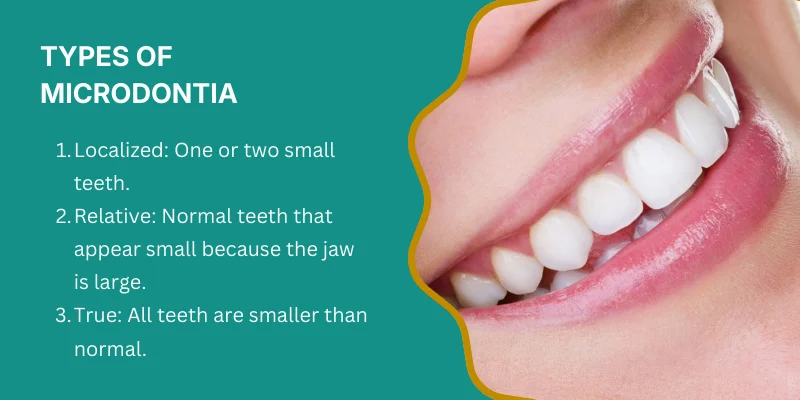
There are three types:
- Localized microdontia: one or two small teeth
- Relative microdontia: normal teeth that look small because your jaw is large
- True microdontia: all teeth are smaller than normal
If your teeth are very small because of genetics, cosmetic dentistry can help make them look larger and balanced.
Tooth Grinding and Enamel Wear
Tooth grinding, also called bruxism, is a habit that wears down your teeth over time. When your enamel wears away, your teeth can look short or stubby.
This damage might cause sensitivity or pain as well. If you grind your teeth often, it can change their shape and size.
A dentist might suggest treatments like night guards to protect your teeth. Fixing worn teeth usually involves cosmetic options like bonding or crowns to restore their length and shape.
Gum Line and Gummy Smile
Sometimes, your teeth might be normal size but look small because of your gums. A gummy smile happens when the gum tissue covers a larger part of your teeth than usual.
This can make your teeth seem shorter. Your gum line could be shaped differently due to genetics or other factors, creating a smile where the balance between gums and teeth is off.
Cosmetic dentists can reshape the gum line or use veneers to improve your smile’s look and make your teeth stand out more.
Developmental and Structural Factors
How your teeth and jaws develop can also affect tooth size. Things like being born early or nutritional deficiencies during childhood can lead to smaller teeth.
Some health issues, such as hormonal problems like hypothyroidism, can slow down tooth growth. If your jaw is larger than normal, even regular-sized teeth might appear small in comparison.
Developmental factors might also cause gaps or bite issues. Treatment could include braces to align your teeth and cosmetic work to improve tooth size and appearance.
Concerned about small or misaligned teeth? Explore cosmetic dentistry solutions at Briggs Family Dental in New Market, VA, and schedule your consultation today.
Smile Assessment and the Role of Cosmetic Dentists
When improving small teeth, your dentist carefully studies your smile’s balance and how your teeth fit with your face. This helps shape a treatment plan that looks natural and feels comfortable.
The focus is on the size and position of your teeth, how your bite works, and how your lips frame your smile.
Evaluating Dental Aesthetics and Facial Proportions
Your cosmetic dentist looks closely at your teeth’s size, shape, and color. They compare these with your facial features to create a smile that fits your unique look.
This process is called smile design. They consider how your teeth match with your eyes, nose, and lips to keep your new smile balanced.
For small teeth, this means making sure your teeth don’t look out of place or too large after treatment. Your dentist may use digital imaging to show you possible results and adjust plans to match your preferences.
Bite Alignment and Lip Support
How your teeth come together, or your bite, affects not just chewing but also how your lips rest on your teeth. If your bite is off, it can make your small teeth appear even smaller or cause discomfort.
Your cosmetic dentist checks your bite to ensure it supports your lips properly. Good lip support is key for a youthful and natural smile.
Treatments might include reshaping teeth or using crowns or veneers to improve both bite function and how your lips look when you smile or speak.
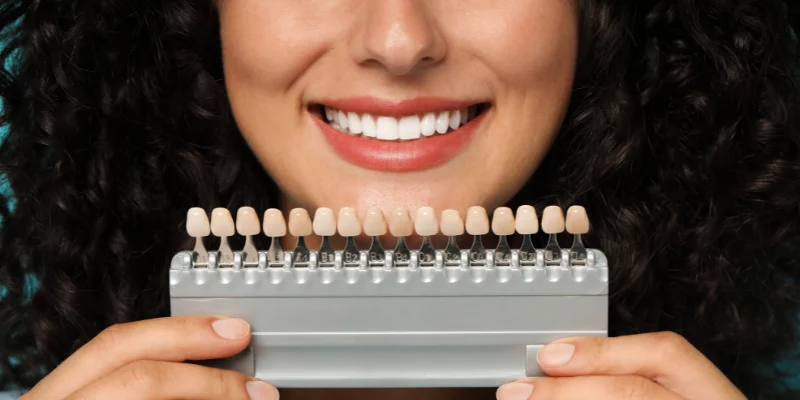
Porcelain and Composite Veneers for Small Teeth
Veneers can shape and enlarge small teeth naturally and beautifully. You’ll find options that fit your smile goals while protecting your tooth structure.
A clinical evaluation on porcelain laminate veneers bonded with light‑cured composite: results up to 7 years. This influential study evaluated 119 porcelain laminate veneers over 7 years. It reported very low rates of marginal discoloration, fractures, or failures, demonstrating stable long-term performance when veneers are well bonded to teeth.
Different techniques and materials affect fit, look, and how long results last.
Custom Veneers and Smile Design
Custom veneers are made to match your face, smile, and preferences. Your dentist will take detailed impressions and photos to design veneers that fit your small teeth perfectly.
This process ensures your new teeth look natural and balanced. Using 3D imaging or digital smile design tools, you can preview how your smile will change.
The veneers are crafted to adjust shape and size, making small teeth appear fuller while keeping a natural appearance. Custom veneers support your bite and dental function, not just aesthetics.
No-Prep and Temporary Veneers
No-prep veneers require little to no removal of your enamel, preserving most of your natural tooth structure. These can be great if you want to avoid drilling or permanent changes.
If you’re unsure about a permanent change, temporary veneers let you try different shapes and sizes on your small teeth first. They are worn for a short time to evaluate comfort and appearance before the final veneers are placed.
Temporary veneers also protect your teeth while your permanent veneers are being made. They help keep your smile looking good during the process.
Porcelain Veneers vs Composite Resin
Porcelain veneers are thin shells of ceramic that are very durable and stain-resistant. They offer a highly natural look and can last 10-20 years.
Porcelain needs some enamel removal but provides better long-term results. Composite resin veneers are made from tooth-colored resin.
They are applied directly to your teeth, often in a single visit, and cost less than porcelain. They preserve more of your natural tooth but usually last 5-7 years and may stain over time.
| Feature | Porcelain Veneers | Composite Resin Veneers |
| Durability | 10-20 years | 5-7 years |
| Enamel removal | Moderate | Minimal or none |
| Stain resistance | High | Lower |
| Cost | Higher | Lower |
| Number of visits | Multiple | Usually one |
Choosing between these depends on your budget, how long you want results, and how natural you want your small teeth to look.
Transform small or uneven teeth with porcelain or composite veneers. Book your cosmetic dentistry consultation at Briggs Family Dental in New Market, VA, today.
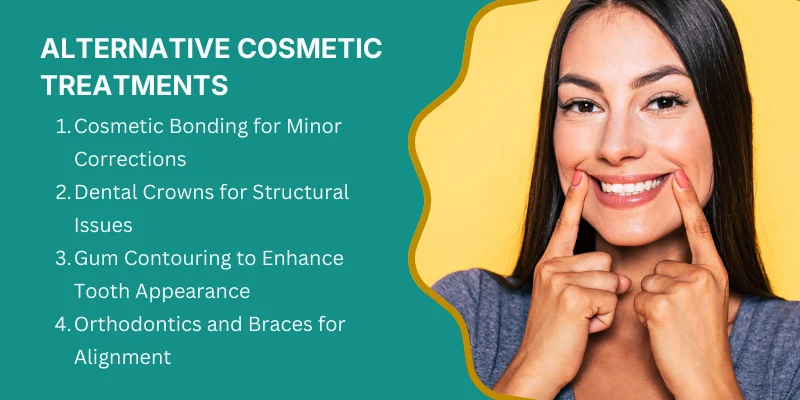
Alternative Cosmetic Treatments
If your teeth are small, there are several ways to improve their look beyond veneers. Some focus on fixing minor flaws, others help if your teeth need more support.
You can also change your gum line or adjust how your teeth fit together.
Cosmetic Bonding for Minor Corrections
Cosmetic bonding is a simple way to fix small gaps, chips, or uneven edges on your teeth. Your dentist applies a tooth-colored resin that is shaped and hardened with a special light.
Bonding is quick and usually done in one visit. It doesn’t require removing much of your natural tooth.
The resin can be matched to the color of your teeth, so it looks natural. However, bonding is less durable than other options and may need touch-ups after some years.
It’s a good choice if you want a fast, affordable fix for small issues.
Dental Crowns for Structural Issues
Dental crowns cover your entire tooth, adding strength and size to teeth that are weak, cracked, or worn down. If your small teeth have problems beyond just appearance, crowns can protect and restore them.
Crowns are made from materials like porcelain or ceramic, which can look very natural. Because they cover the whole tooth, the dentist usually needs to reshape your tooth by removing some of the surface.
Crowns are a solid option if you need both cosmetic improvement and added tooth support. They last longer than bonding but involve a more invasive process.
Gum Contouring to Enhance Tooth Appearance
Sometimes, small teeth look even smaller because of excess gum tissue. Gum contouring gently reshapes your gums to expose more of your teeth, making them look larger and better shaped.
This procedure uses a laser or scalpel to remove or reshape gum tissue. It usually heals quickly and can brighten your smile by balancing how much tooth and gum show when you smile.
Gum contouring works best if your teeth are healthy but hidden by your gums. It can be combined with other treatments, like bonding or veneers, to improve your smile.
Orthodontics and Braces for Alignment
If your small teeth are unevenly spaced or don’t line up well, orthodontics can help move them into a better position. Braces and clear aligners gradually shift your teeth over several months or years.
This treatment focuses on improving bite and alignment rather than changing the size of your teeth. However, properly aligned teeth can make your smile look more even and healthy.
Braces require time and regular visits, but they provide a strong foundation if you want to improve function along with your smile. Sometimes, orthodontics are combined with other cosmetic treatments for the best result.
Choosing the Best Solution for Your Smile
Finding the right treatment depends on your goals for how long you want the results to last, how much you are willing to invest, and whether combining methods might give you the best look.
Each option offers different benefits for your smile design and overall dental health.
Considering Durability and Longevity
When thinking about durability, veneers and dental crowns stand out. Porcelain veneers can last 15 to 20 years with good care.
They offer a natural look and improve the size, shape, and color of small teeth. Dental crowns cover the entire tooth and also provide strength, making them great if your teeth are worn or weak.
Cosmetic bonding is less durable, usually lasting 3 to 7 years. It’s a quicker and less expensive way to improve small teeth but might need repairs or touch-ups more often.
Your choice should balance how long you want your smile improvements to last with the care you can give them.
Budget and Maintenance Factors
Your budget can guide your decision. Veneers and crowns usually cost more upfront but can be worth it for their long-lasting effects.
They require regular maintenance like good oral hygiene and dental visits but don’t need frequent repairs. Cosmetic bonding is often less expensive but may need more frequent repairs, adding to long-term costs.
Also, bonding can stain more easily, so you’ll want to avoid foods and drinks that discolor teeth. Think about how much time and money you can spend on upkeep before choosing the right treatment for your small teeth.
Combining Treatments for Optimal Results
Sometimes using more than one treatment gives the best smile design. For example, gum contouring can expose more of your tooth before you add veneers or bonding.
This can balance your smile shape better. You might also use dental crowns on certain teeth that need strength, while using veneers or bonding on others where only size or shape needs adjusting.
Working with your cosmetic dentist to combine treatments can create a natural, proportionate look that fits your face and lifestyle.
Want a perfectly balanced smile? Contact Briggs Family Dental in New Market, VA, to explore combined cosmetic treatments tailored just for you.
Frequently Asked Questions
You have several choices when it comes to treating small teeth. Some methods focus on changing the size and shape of your teeth, while others address the reasons behind their small appearance.
What treatment options are available for adults with small teeth?
You can choose from porcelain veneers, composite bonding, or dental crowns. Veneers and bonding improve the look of small teeth, while crowns are better if teeth are damaged.
Each has different costs, durability, and treatment times.
Can dental bonding be used to enhance the appearance of small teeth?
Yes, dental bonding uses tooth-colored resin to shape and enlarge small teeth. It’s quick and affordable, usually done in one visit.
Bonding lasts less than veneers but is a good option for minor changes.
What are the common causes for having short or small teeth?
Small teeth can come from genetics or problems during tooth growth, like illnesses or poor nutrition as a child. Sometimes, too much gum tissue makes your teeth look smaller than they really are.
Are there natural methods to achieve larger looking teeth without surgery?
Non-surgical options include gum reshaping if excess gum tissue hides your teeth. Good oral hygiene and some cosmetic treatments like whitening can improve how your teeth look.
Are veneers a viable solution for improving the size of small teeth?
Veneers are a long-lasting and natural-looking choice to make small teeth appear larger. They cover the front of your teeth and resist stains.
The process usually takes two to three visits to complete.
What is the estimated cost range for treatments that address small teeth?
Costs vary. Composite bonding is the most affordable but may need touch-ups.
Veneers tend to cost more upfront but last longer. Crowns are priced in between and also restore function to damaged teeth.
Insurance often doesn’t cover purely cosmetic work.