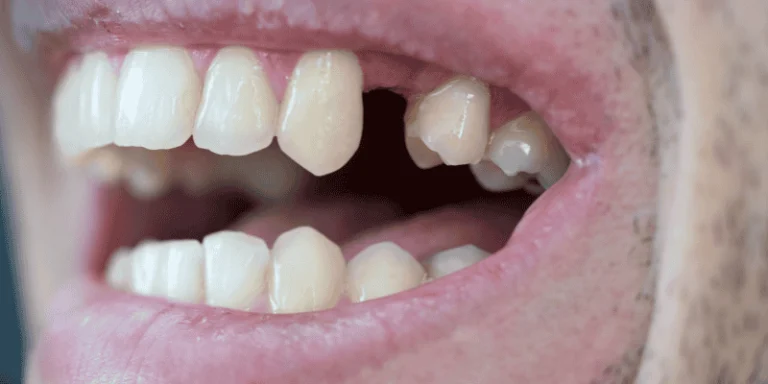




Losing a tooth might not seem urgent at first, especially if it’s not visible when you smile. You might think you can put off replacement due to cost, time, or fear of dental procedures.
However, waiting to replace a missing tooth sets off a chain reaction in your mouth that affects more than just your appearance.
So, what are the consequences of missing teeth?
When you delay tooth replacement, your jawbone begins to shrink within months, your neighboring teeth start to shift into the space, and your dental implants for bite can change in ways that lead to further tooth loss.
If you don’t replace a missing tooth goes beyond just having a gap in your smile. Your entire oral system is designed to work together, and when one piece is missing, the rest begins to adapt in unhealthy ways.
The good news is that it’s rarely too late to address a missing tooth. Understanding what happens when you delay can help you make an informed decision about your oral health and avoid complications down the road.
Key Takeaways
- Your jawbone starts to deteriorate within months of tooth loss without the stimulation from tooth roots
- Neighboring teeth shift and tilt into empty spaces, changing your bite and increasing risk of future tooth loss
- Delaying replacement affects your confidence and can lead to changes in facial appearance over time
Immediate Effects of Delaying Tooth Replacement
When you lose a tooth, changes begin happening right away. You’ll likely notice problems with eating, speaking, and sensitivity within the first few days to weeks.

Difficulty in Chewing and Eating
Your teeth work together as a complete system to break down food properly. When even one tooth is missing, your chewing ability drops immediately.
You’ll probably start avoiding certain foods without even thinking about it. Hard foods like nuts, crispy vegetables, and tough meats become challenging. Sticky foods can also feel uncomfortable in the gap where your tooth used to be.
Most people begin favoring the opposite side of their mouth when they chew. This puts extra pressure on those teeth and can lead to uneven wear over time.
Your jaw muscles on one side may start working harder than the other, which can cause soreness or fatigue after meals.
The gap also creates a spot where food gets trapped easily. You might find yourself constantly using your tongue to check the space or dig out stuck food particles.
Changes to Speech
Missing teeth can affect how you pronounce certain sounds right away. The most noticeable changes happen with words that require your tongue to press against your teeth.
Front teeth are especially important for making “s,” “th,” and “f” sounds clearly. If you’re missing a front tooth, you might notice a slight whistle or lisp when you talk. Back teeth help with other sounds, though the effect is usually less obvious to others.
Some people unconsciously adjust how they speak to work around the gap. You might talk more softly or cover your mouth when you laugh. These small changes can affect your confidence in social situations or at work.
Increased Tooth Sensitivity
The teeth next to the gap often become more sensitive almost immediately. Without a neighboring tooth for support, they’re exposed to temperature changes and pressure in new ways.
You might feel sharp pain when drinking cold water or eating hot soup. The roots of nearby teeth can become slightly exposed as your bite shifts, even in the first few weeks. This makes them react more strongly to sweet or acidic foods.
The empty socket itself may feel tender or sore, especially in the first few days after tooth loss. Your gums need time to heal, and the area remains sensitive during this period.
Long-Term Oral Health Consequences
When you put off replacing a missing tooth, your mouth doesn’t just stay the same with a gap. Your teeth, jawbone, and gums start changing in ways that can hurt your oral health for years to come.
Shifting of Surrounding Teeth
Your teeth rely on each other to stay in place. When one tooth goes missing, the teeth next to the gap start moving toward the empty space. This happens because there’s nothing to hold them in their correct position anymore.
The teeth on either side of the gap can tilt or drift into the space. The tooth above or below the missing one can also start moving down or up because it has lost its partner. This movement throws off your bite alignment.
Missing teeth can cause your bite to shift, which leads to uneven wear on your remaining teeth. You might notice jaw discomfort or pain when you chew.
Some people develop problems with their jaw joint because their teeth no longer fit together properly.
Bone Loss in the Jaw
Your jawbone needs stimulation from your tooth roots to stay strong and healthy. When you lose a tooth, that stimulation stops right away. Without it, your jawbone starts to break down in that area.
The bone loss begins within the first year after tooth loss and continues over time. Your jawbone can lose up to 25% of its width in the first year alone. This breakdown weakens your jaw structure and can make your face look different.
Jawbone deterioration can change the shape of your face and make you look older. Your lips and cheeks lose support, which can create a sunken appearance. The bone loss also makes it harder to replace the tooth later if you change your mind.
Increased Risk of Tooth Decay and Gum Disease
The gap from a missing tooth creates a perfect spot for food and bacteria to collect. Your toothbrush and floss can’t clean these areas as well as they should. This buildup increases your chances of developing cavities and gum problems.
Bacteria that settle in the gap can spread to nearby teeth and gums. The risk of gum disease increases significantly when you have a missing tooth because bacteria have more places to hide.
Gum disease can lead to infections that damage your gum tissue and bone.
You might also lose more teeth if gum disease spreads. The teeth that have shifted into awkward positions are harder to clean properly, which adds to the problem.
Impact on Facial Structure and Appearance
Missing teeth don’t just create gaps in your smile. They trigger changes beneath the surface that can alter your face shape and make you appear older than your actual age.
Changes in Facial Shape
When you lose a tooth, the jawbone that once supported it stops receiving stimulation from chewing. Your body responds by absorbing that bone tissue in a process called bone resorption, which can begin within just a few months.
As the bone deteriorates and shrinks, your face loses its natural support structure. The area around your cheeks or mouth starts to collapse inward, creating a sunken look.
This bone loss changes the shape of your face in ways that become more noticeable over time.
The jaw weakens in the spots where teeth are missing. Your facial proportions shift as the bone continues to shrink, affecting how your lips, cheeks, and chin align with each other.
Premature Aging Signs
The sunken appearance from bone loss makes you look significantly older than you are. Your face may develop a hollowed-out look around the mouth area, similar to how aging naturally affects facial structure but happening much faster.
The support structures for your teeth begin to deteriorate when left untreated for months or years. Your lips may appear thinner as they lose the underlying support.
Fine lines and wrinkles around your mouth become deeper and more pronounced.
Your facial height can even decrease as the bone continues to shrink. These changes combine to create an aged appearance that affects both your personal and professional confidence.
Effects on Overall Health
Missing a tooth creates problems that reach beyond your mouth. Your body struggles to get proper nutrition, and your other teeth work harder than they should.
Potential Nutritional Deficiencies
When you lose a tooth, eating becomes more difficult. You might start avoiding foods that are hard to chew like apples, carrots, nuts, and lean meats. These foods provide vitamins and minerals your body needs to stay healthy.
Poor nutrition can develop when you stick to softer foods that are often processed and less nutritious. You may miss out on fiber from raw vegetables and protein from tougher cuts of meat. This can lead to weight changes and lower energy levels.
Your digestive system also suffers when you can’t chew food properly. Large pieces of food are harder for your stomach to break down. This means your body absorbs fewer nutrients from what you eat, even if you’re consuming enough calories.
Increased Strain on Remaining Teeth
Your remaining teeth must handle all the chewing work when one goes missing. They face extra pressure during every meal. This causes them to wear down faster than normal.
The teeth next to the gap shift position to try filling the empty space. This movement creates an uneven bite that puts stress on certain teeth more than others. Your jaw muscles also work harder to compensate for the missing tooth.
Over time, this extra strain can crack or damage your healthy teeth. You might notice pain when biting down or sensitivity to hot and cold foods.
The overworked teeth become more prone to cavities and may need extensive dental work to fix the damage.
Emotional and Psychological Impacts
Missing teeth affects more than just your oral health. It changes how you feel about yourself and how you interact with others in daily life.

Reduced Self-Confidence
A gap in your smile can make you feel embarrassed about your appearance. You might notice yourself covering your mouth when you laugh or speak. Many people with missing teeth avoid smiling in photos or social situations.
Tooth loss is associated with lower self-esteem and can lead to feelings of self-consciousness. You may start judging yourself more harshly or worrying about what others think when they look at you.
These feelings can affect your mood and outlook on life.
The location of the missing tooth matters too. Front teeth that show when you smile tend to have a bigger impact on confidence than back teeth. But even teeth that aren’t visible can affect how you feel about yourself.
Social and Professional Challenges
Missing teeth can negatively affect self-confidence and lead to social withdrawal. You might find yourself:
- Avoiding social gatherings or parties
- Speaking less during meetings or conversations
- Declining invitations to events
- Feeling anxious about dating or meeting new people
These changes can strain your relationships with friends and family. The psychological effects can impact mental health and quality of life in both personal and work settings.
Your career may also suffer if you feel hesitant to speak up or present yourself confidently. First impressions matter in professional environments, and missing teeth can make you hold back during important moments like job interviews or client meetings.
Missing teeth can lead to bigger problems. Talk to our dental expert to restore your smile now.
Why Timely Tooth Replacement Matters
Acting quickly to replace a missing tooth protects your jawbone from deteriorating, keeps your remaining teeth in their proper positions, and helps you avoid more complicated dental work later on.
Preventing Complex Dental Problems
When you replace a missing tooth promptly, you stop a chain reaction of problems before they start. Your neighboring teeth won’t have time to shift into the empty space, which means you’ll avoid bite alignment issues that could require orthodontic treatment.
Bone loss can begin within just a few months after losing a tooth. The sooner you get a replacement, the less bone deterioration you’ll face.
This matters because significant bone loss often requires grafting procedures before you can even place an implant.
Your jaw needs stimulation from tooth roots to stay healthy and strong. Without that stimulation, the bone shrinks and weakens. This can affect the stability of your other teeth and change the shape of your face over time.
Early replacement also prevents uneven wear on your remaining teeth. When you’re missing a tooth, you naturally start chewing on one side of your mouth more than the other, which puts extra stress on those teeth.
Best Timeframes for Replacement
The ideal time to start planning tooth replacement is right after you lose a tooth. Most dentists recommend beginning the replacement process within three to six months of tooth loss.
Dental implants work best when placed before significant bone loss occurs. If you wait too long, you might need bone grafting first, which adds months to your treatment timeline and increases costs.
Here’s what happens at different timeframes:
- 0-3 months: Bone and gum tissue are still strong and healthy
- 3-6 months: Some bone loss may begin but is usually minimal
- 6-12 months: Noticeable bone deterioration and possible tooth shifting
- 1+ years: Significant bone loss, tooth movement, and bite changes likely
Some people wait years to replace a missing tooth, but the longer you delay, the more likely you are to experience complications.
Consulting With Your Dentist

Schedule a consultation with your dentist as soon as possible after losing a tooth. Your dentist will examine the area, take X-rays, and create a personalized treatment plan based on your specific situation.
During your visit, ask about all your replacement options. Dental implants, bridges, and partial dentures each have different benefits and timeframes. Your dentist can explain which option works best for your mouth and budget.
Be honest about any concerns you have. Many people delay treatment because of cost or anxiety about dental procedures. Your dentist can discuss payment plans and sedation options that make treatment more manageable.
If you’ve already been missing a tooth for a while, don’t let that stop you from seeking care. It’s rarely ever too late to replace a missing tooth, though you may need additional procedures first.
Your dentist will evaluate your bone density and gum health to determine the best path forward.
Frequently Asked Questions
Missing teeth create problems that go beyond appearance, from bone loss and shifting teeth to changes in how you eat and speak. These common questions address the specific issues you might face.
What are the risks of not replacing a missing tooth immediately?
When you skip replacing a missing tooth, several problems start right away. Your nearby teeth begin shifting into the empty space, which throws off your alignment.
The jawbone under the missing tooth starts to deteriorate because it lacks the stimulation from tooth roots.
Bone loss, shifting teeth, bite problems, and gum disease are among the main concerns. Your face shape can change over time as the bone shrinks. Treatment becomes more complex the longer you wait.
Can delaying tooth replacement affect my oral health?
Yes, putting off tooth replacement creates multiple oral health issues. The gap makes it easier for bacteria to build up, which increases your risk of gum disease and infections.
Your remaining teeth take on extra stress during chewing, causing them to wear down faster than normal.
Food particles get trapped in the empty space more easily. This leads to plaque buildup that can cause decay in neighboring teeth. Gum tissue around the empty spot can recede, creating pockets where bacteria thrive.
How does a missing tooth impact jawbone density over time?
Your jawbone needs constant stimulation from tooth roots to maintain its strength and density. Without this stimulation, the bone starts to shrink through a process called resorption.
This bone loss typically begins within the first few months after losing a tooth.
The deterioration speeds up as time passes. Your jawbone can lose significant volume over the first year, which makes your face look sunken or aged. Dental implants prevent bone loss by acting as artificial tooth roots that stimulate the bone.
Will my other teeth shift if I don’t replace a missing tooth soon?
Your teeth will almost certainly shift when you leave a gap unfilled. The teeth next to the empty space tilt or drift into it, while the tooth above or below the gap can move down or up. This shifting happens gradually but starts within weeks of tooth loss.
The movement creates a crooked smile and makes your bite uneven. Gaps widen between other teeth, trapping more food and plaque. These changes can lead to more tooth loss if you don’t address them.
Are there any chewing or speech difficulties associated with postponing tooth replacement?
Missing teeth make chewing harder, especially if you’ve lost back teeth that do most of the grinding work. You might start avoiding certain foods like nuts, apples, or meat because they’re tough to eat.
This can lead to poor nutrition since you’re skipping healthy options.
Speech problems develop when front teeth are missing. Certain sounds become difficult to pronounce clearly without full tooth support. You might notice lisping or whistling sounds when you talk, which can hurt your confidence in social situations.
What might be the long-term consequences for my bite alignment without timely tooth replacement?
Your bite alignment changes significantly when you delay replacement. The shifting teeth create an uneven bite that puts extra pressure on certain teeth during chewing.
This uneven distribution causes faster wear on some teeth and can lead to jaw pain or headaches.
Changes in the bite affect how your upper and lower teeth fit together. You might develop problems with your jaw joint, known as TMJ disorders. These issues often require additional treatment beyond just replacing the missing tooth.