

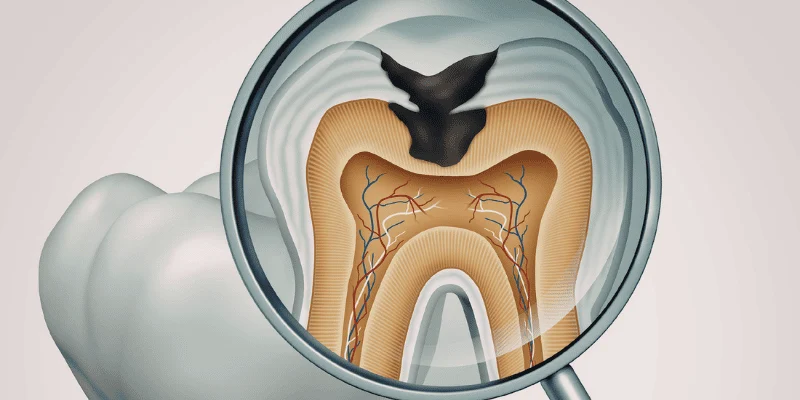
You might think that once a tooth is covered with a crown, it’s fully protected from cavities. Unfortunately, that’s not the case.
Cavities can form underneath dental crowns, especially if your crown is older or if bacteria find their way under the edges where the crown meets your natural tooth.
This is particularly important if you’ve had your crown for several years. Over time, the seal between your crown and tooth can weaken, creating small gaps where food particles and bacteria can slip through.
The natural tooth structure underneath remains vulnerable to decay, and without proper care, you might develop serious problems without even knowing it.
If you’re experiencing sensitivity, pain, or swelling around an older crown, it’s worth understanding what might be happening beneath the surface.
Learning about how decay develops under crowns and what warning signs to watch for can help you protect your dental work and avoid more complicated treatments down the road.
Key Takeaways
- Teeth with crowns can still develop cavities, especially at the edges where the crown meets your gum line
- Warning signs include tooth sensitivity, pain, swollen gums, or a bad taste near the crowned tooth
- Regular dental checkups and good daily brushing and flossing habits are essential for preventing decay under your crown
Learn about the risk of cavities under dental crowns and how to protect your oral health.
Understanding Dental Crowns and Their Purpose
Dental crowns are custom-made caps that fit over damaged teeth, and they’re crafted from different materials depending on your needs.
The edge where your crown meets your natural tooth is one of the most important areas to keep clean.
What Dental Crowns Are Made Of
Dental crowns come in several materials, each with different benefits. Porcelain crowns look the most natural and work well for front teeth.
Metal crowns made from gold or other alloys are extremely strong and last a long time, making them good for back teeth.
Porcelain-fused-to-metal crowns combine both materials for strength and appearance. All-ceramic or all-porcelain crowns give you the best natural color match. Zirconia crowns are newer and offer both strength and a tooth-like appearance.
The material your dentist chooses depends on where the tooth is located in your mouth. It also depends on how much of your natural tooth remains and your budget.
Why Dentists Recommend Crowns
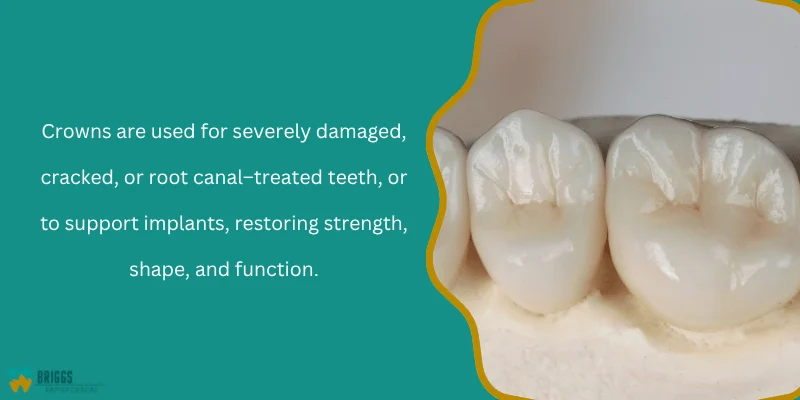
Dentists recommend dental crowns when a tooth is too damaged for a regular filling. A crown protects a tooth that has a large cavity or has broken. You might need one after a root canal to strengthen the treated tooth.
Crowns also hold together teeth with large cracks. They can replace a tooth when attached to a dental implant. Some people get crowns to improve the appearance of discolored or misshapen teeth.
A crown restores your tooth’s shape, size, and strength. It also helps you chew normally again.
The Role of Crown Margins
Crown margins are the edges where your dental crown meets your natural tooth structure. This area is the most vulnerable spot for tooth decay to develop. When crown margins don’t fit tightly against your tooth, tiny gaps can form.
Bacteria and food particles can get trapped in these gaps. Good crown margins should fit flush against your tooth with no ledges or spaces. Your dentist checks the fit carefully before cementing the crown in place.
Over time, crown margins can wear down or pull away from the gum line. This exposure creates an opening where cavities can start forming underneath the crown.
Schedule an appointment in New Market, VA if you suspect a cavity under your dental crown.
How Cavities Develop Beneath Dental Crowns
Crowns protect damaged teeth, but the natural tooth structure underneath remains vulnerable to decay. Bacteria can still reach the tooth at the crown’s edges and cause cavities if proper care isn’t maintained.
Mechanisms of Tooth Decay Under a Crown
A cavity under a crown typically starts at the margin where the crown meets your natural tooth. This junction creates a small gap where bacteria and food particles can accumulate.
When you eat sugary or starchy foods, bacteria in your mouth produce acid. This acid attacks the exposed tooth structure at the crown’s edge. Over time, the acid breaks down the tooth enamel and dentin underneath the crown.
The crown itself can’t get a cavity because it’s made of artificial materials like porcelain or metal. However, your natural tooth beneath it is still living tissue.
If bacteria penetrate the seal between the crown and tooth, decay can develop under crown restorations.
The process often goes unnoticed because the crown hides the decay from view. You might not feel pain until the cavity reaches deeper layers of the tooth.
Risks Associated With Older and Worn Crowns
Dental crowns don’t last forever. Most crowns function well for 10 to 15 years before they start showing wear.
As crowns age, the cement holding them in place can break down. This creates larger gaps at the margins where bacteria can enter more easily. The seal weakens over time, especially if you grind your teeth or eat hard foods regularly.
Older crowns may also develop small cracks or chips that you can’t see. These imperfections give bacteria direct access to your tooth structure. Worn crowns might feel loose or shift slightly when you chew.
Common signs your crown needs attention:
- Sensitivity to hot or cold temperatures
- Visible dark lines at the gum line
- Food getting stuck around the crown
- A loose or wobbly feeling
If your crown is more than 10 years old, you face a higher risk of developing tooth decay under a crown.
Impact of Oral Hygiene on Crowned Teeth
Your daily cleaning habits directly affect whether cavities under crowns develop. Crowned teeth need the same care as natural teeth.
Brushing twice daily removes plaque from the crown margins. You should angle your toothbrush toward the gum line to clean where the crown meets your tooth. This area collects the most bacteria.
Flossing is even more important for crowned teeth. The spaces between your crown and adjacent teeth trap food particles easily. Use gentle up-and-down motions rather than snapping the floss, which could dislodge an older crown.
Regular dental cleanings and exams help catch problems early. Your dentist can spot decay starting under a crown before you notice symptoms. Professional cleanings remove hardened plaque that your toothbrush can’t reach.
Skipping brushing or flossing sessions increases your cavity risk significantly. Bacteria multiply quickly in your mouth, especially around dental crowns where food tends to stick.
Warning Signs and Diagnosis of Problems Under Crowns
Even with good care, decay can develop beneath dental crowns over time. Catching problems early through symptom recognition and regular dental exams can prevent more serious damage to the tooth structure.
Recognizing Symptoms Like Sensitivity and Discoloration
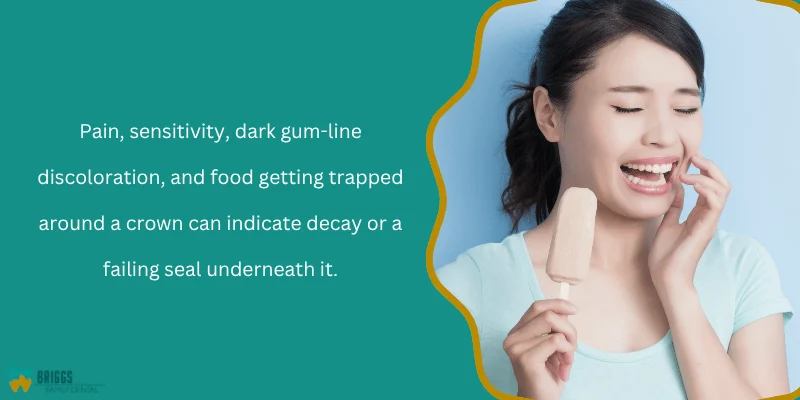
Your body often sends clear signals when something is wrong under a crown. Sensitivity when brushing your teeth or biting down can indicate decay pressing against the tooth nerve.
Pain when eating hot, cold, or sugary foods is another warning sign. This discomfort might start mild but can become more intense as a cavity under a crown grows larger.
Watch for dark staining or a blackish tint near the gum line of your crown. While this doesn’t always mean decay, it can signal that the tooth underneath is breaking down.
You might also notice your crown pulling away from the tooth as decay creates space between them. Food and floss getting stuck between the crown and tooth indicates that the tight seal has been compromised.
Professional Tools for Detecting Hidden Decay
Your dentist has specialized equipment to find cavities under crowns that you can’t see at home. X-rays are the primary tool for revealing decay beneath the crown material.
These images show your dentist what’s happening under the surface where visual inspection can’t reach.
During exams, your dentist will probe around the edges of your crowns with special instruments. They check for soft spots or gaps that might indicate decay.
Some dental offices use advanced imaging technology that provides detailed views of the tooth structure under existing dental work.
Regular dental visits every six months give your dentist the chance to detect problems early before they become severe. If problems arise between scheduled visits, contact your dentist right away rather than waiting.
The Importance of Monitoring Crown Margins
The crown margins are the most vulnerable areas for decay to develop. These edges where your crown meets your natural tooth create a potential entry point for bacteria and food particles.
You should pay extra attention when brushing and flossing around crown margins. Look closely at these areas in good lighting to spot any changes in color or texture. Use a small mirror to check the back teeth where crowns might be harder to see.
The margins can deteriorate over time even with proper care. Your crown might have been placed perfectly years ago, but normal wear and the aging of dental cement can create small openings.
These tiny gaps allow bacteria to sneak underneath and cause decay without obvious symptoms at first.
Treatment Options for Cavities Under Crowns
When you have tooth decay under a crown, your dentist needs to remove the crown to access and clean out the cavity. The treatment approach depends on how deep the decay has spread and whether it has reached the nerve of your tooth.
Crown Removal and Repair Procedures
Your dentist will need to remove your existing crown to treat the cavity properly. Once the crown comes off, they can see the full extent of the decay and clean it out completely.
After removing all the decay, your dentist will place a filling to restore the tooth structure. In most cases, you’ll need a new crown because the original one won’t fit correctly after the tooth has been reshaped and filled.
The cavity under a crown can be treated by cleaning out the decay and placing a new crown for protection.
Your dentist may be able to place a temporary crown while a permanent one is made. This process usually takes a few weeks from start to finish.
When Root Canal Therapy Is Needed
If the decay has reached the nerve inside your tooth, you’ll need a root canal before getting a new crown. This happens when cavities go undetected for too long under the crown.
During root canal therapy, your dentist or endodontist will remove the crown, drill into the root to clean out the infection, and seal the hole. After the root canal is complete, you’ll need a new crown to protect the treated tooth.
Root canals have a high success rate and can save teeth that might otherwise need tooth extraction.
Greater Risks With Failed Root Canal Treatments
If you already had a root canal on the tooth before it was crowned, a new infection creates a more complex situation. A failed root canal under a crown means bacteria have re-entered the sealed root canal system.
Your dentist may try retreating the root canal, but success rates are lower the second time around. Sometimes the tooth structure is too damaged to support another crown.
In these cases, extraction followed by a dental implant or bridge may be your best option for maintaining your smile and bite function.
Preventing Tooth Decay After Receiving a Crown
Taking care of your crown properly can help it last 15 years or longer while keeping the natural tooth underneath healthy.
The areas where your crown meets your natural tooth need special attention to prevent bacteria from sneaking in and causing problems.
Best Practices for Oral Hygiene
Brushing and flossing your crowned tooth is just as important as caring for your natural teeth. You should brush at least twice daily with fluoride toothpaste, paying extra attention to where the crown meets your gumline.
An electric toothbrush can be particularly helpful because it does the work for you and cleans more thoroughly with its circular motion.
You need to floss every single day to remove food particles and plaque from between your teeth where your toothbrush can’t reach.
Consider using a water flosser to clean around your crown margins more gently if traditional floss feels too harsh. Tooth scrapers or interdental brushes can help you get into tight spaces where plaque likes to hide.
Protecting Crown Margins From Decay
The edges where your crown attaches to your tooth are the most vulnerable spots for cavities under crowns to develop. Food particles and bacteria can sneak into these small gaps if you’re not careful with your cleaning routine.
You should spend extra time brushing along the gumline where your crown meets your natural tooth structure. Using a dental mirror can help you see these hard-to-reach areas and spot any discoloration or plaque buildup early.
Avoid sticky or hard foods that could pull at your crown or create gaps where bacteria can enter. If you notice floss catching between your crown and tooth, this could mean a space is forming that needs your dentist’s attention right away.
How Regular Dental Visits Help Safeguard Crowns

Your dentist can spot early signs of tooth decay under a crown that you might miss at home. Professional cleanings every six months remove hardened plaque and tartar that regular brushing can’t eliminate.
During checkups, your dentist uses special tools to examine the seal between your crown and natural tooth. They can catch small problems before they turn into bigger issues that require crown replacement or additional procedures.
X-rays taken during routine visits reveal decay forming underneath your crown even when there are no visible symptoms yet.
If you notice sensitivity, pain, or any changes between appointments, contact your dentist immediately rather than waiting for your next scheduled visit.
Frequently Asked Questions
Patients with older crowns often have similar concerns about decay and treatment options. Understanding the warning signs and what to expect can help you catch problems early and protect your tooth.
What are the most common symptoms of a cavity forming under a crown?
The most noticeable sign is dark discoloration along the edge of the crown near your gum line. This blackish or grayish color indicates decay is developing.
You might also notice sensitivity or pain when eating or drinking something sweet, cold, or acidic. This happens if your tooth still has nerve tissue and hasn’t had a root canal.
A soft substance coming out from the crown margin when you floss is another warning sign. This means your dental tissue is breaking down because of bacteria.
If your floss catches, frays, or tears instead of gliding smoothly between your teeth, decay might be forming between the crowned tooth and the neighboring tooth.
You may also see a widening gap between the crown and your tooth, which makes it easier for plaque and food to get trapped.
How can a dentist tell if there’s decay under a crown, and can it show up on an X-ray?
Your dentist uses X-rays to look for decay underneath crowns. X-rays can reveal dark areas that indicate cavities have formed under or around the crown.
During your exam, your dentist will also check the margins where the crown meets your tooth. They look for gaps, roughness, or other signs that bacteria might be getting underneath.
Your dentist may use a small dental instrument to gently probe around the crown edges. This helps them feel for soft spots or areas where the tooth structure has weakened.
How common is tooth decay under an older crown, and what factors make it more likely?
Nearly 90% of adults have had at least one cavity, and crowns can actually make teeth more prone to decay in some cases. Older crowns face higher risks because they’ve had more time to develop problems.
Crown age is a major factor since most crowns last between 15 to 20 years. Over time, the crown’s surface becomes rough and worn, making it easier for plaque to build up.
Poor oral hygiene increases your risk significantly. The margin where your crown meets your natural tooth needs extra attention when brushing and flossing.
Receding gums expose your tooth roots, which decay faster than other parts of your tooth. Gaps at the crown margin allow saliva, food, and bacteria to seep underneath and damage the tooth beneath.
What can happen if a cavity under a crown is left untreated?
Untreated decay will continue to grow and spread deeper into your tooth. The damage weakens the tooth structure and makes it harder to save both the tooth and the crown.
The cavity can reach the inner pulp of your tooth, causing an infection. This leads to severe pain and may require a root canal treatment.
In advanced cases, the tooth may become so damaged that it can’t support a new crown. You might need extraction and replacement with a dental implant or bridge.
The infection can also spread to surrounding gums and bone tissue. This creates more serious health problems that require extensive treatment.
Can decay under a crown be treated without removing the crown?
Yes, if the decay is minor and only affects the margin area near your gum line. Your dentist can remove the decay while keeping your crown in place and repair the damaged area with a tooth-colored filling.
This approach works best when the cavity is caught early. Your dentist needs to have clear access to the decayed area without disturbing the crown.
However, if the decay is severe or hidden beneath the crown, the crown must be removed. After cleaning out all the decay, your dentist will reshape the tooth and place a new crown.
Can a tooth with a root canal still develop a cavity under a crown?
Yes, root canal treated teeth are not immune to cavities. The tooth structure remains vulnerable to decay even though the nerve has been removed.
The main difference is you might not feel any pain at first. This makes it harder to notice the damage until it becomes more advanced.
If a root canal fails or develops an infection, your dentist needs to remove the crown and perform a retreatment. Once the infection is cleared, a new crown will be placed to protect the tooth.