


Finding out you need dental work during pregnancy can feel stressful. You might worry about whether treatments are safe for your baby or if you should wait until after delivery.
Dental treatments are safe throughout pregnancy. The second trimester is the ideal time for most procedures like cleanings, fillings, and crowns.
Taking care of your teeth during pregnancy protects both you and your baby. Poor dental health has been linked to pregnancy complications like preterm birth and low birth weight.
The good news is that preventive, diagnostic, and restorative dental treatment is safe throughout pregnancy, according to dental health experts.
Understanding what dental work you can safely get in each trimester helps you make informed decisions. Some treatments are best during certain months, while others should wait.
This guide breaks down exactly what’s safe to treat and when, so you can maintain your oral health without unnecessary worry.
Key Takeaways
- Routine dental treatments like cleanings and fillings are safe during pregnancy, with the second trimester being the best time for most procedures
- Maintaining good oral health during pregnancy is important because dental problems can affect both you and your baby’s health
- Each trimester has different recommendations for dental care, from emergency-only work in the first trimester to routine care in the second
Navigating Dental Work While Pregnant
Dental care remains safe and important throughout your pregnancy, though timing and types of treatments vary by trimester. Regular visits help prevent complications that could affect both you and your baby.
Why Routine Dental Visits Matter
Your body goes through major hormonal changes during pregnancy that directly affect your mouth. These changes increase your risk of developing gum disease and tooth decay.
Pregnancy gingivitis affects many expectant mothers and causes bleeding, swelling, and discomfort in the gums. Without treatment, this condition can progress to more serious problems.
Regular dental care during pregnancy helps catch these issues early before they become urgent.
Your oral health connects to your overall health during pregnancy. Studies show that untreated dental infections can lead to complications.
Keeping your teeth and gums healthy protects both you and your developing baby.
Understanding What’s Safe and Urgent
Preventive, diagnostic, and restorative dental treatment are safe throughout pregnancy. This includes cleanings, fillings, and even dental X-rays with proper shielding.
Emergency dental problems need immediate attention no matter what trimester you’re in. Pain, infections, and broken teeth require prompt treatment to prevent bigger health issues.
The second trimester offers the best window for non-emergency procedures. You’ll feel more comfortable than in the first trimester when morning sickness peaks.
The third trimester can make lying back in the dental chair uncomfortable.
Timing recommendations:
- First trimester: Emergency care only, routine exams
- Second trimester: Ideal for cleanings, fillings, and planned treatments
- Third trimester: Emergency care and necessary treatments only
Common Misconceptions About Dental Care During Pregnancy
Many pregnant women avoid the dentist because they believe dental work during pregnancy isn’t safe. This myth puts both mother and baby at risk when dental problems go untreated.
Local anesthetics used during dental procedures are safe for you and your baby. Dentists use pregnancy-safe medications that won’t harm your developing child.
Some women think dental X-rays will hurt their baby. Modern dental X-rays use very low radiation levels, and lead aprons provide extra protection.
The risk from an untreated dental infection is much greater than the minimal exposure from a dental X-ray.
You don’t need to delay necessary oral health treatments during pregnancy. Waiting to address dental problems can lead to more complex and risky situations later.
Trimester-by-Trimester Guidelines for Dental Treatment
Each trimester brings different considerations for dental work while pregnant.
The second trimester is typically the safest window for most procedures, while the first and third trimesters require more caution and focus primarily on emergencies and preventive care.
First Trimester: Focusing on Prevention and Emergencies
During the first 13 weeks of pregnancy, your baby’s major organs are developing. This makes it a critical time to be cautious about dental treatment during pregnancy.
What’s Safe:
- Routine cleanings and exams
- Emergency procedures to treat pain or infection
- Preventive care like fluoride treatments
What to Postpone:
- Elective procedures
- Cosmetic treatments
- Non-urgent fillings or crowns
You should tell your dentist you’re pregnant as soon as you know. Morning sickness can make dental visits uncomfortable, so schedule appointments when you typically feel best.
If you need emergency care during this trimester, don’t avoid it. Untreated infections can pose more risk to your baby than necessary dental work while pregnant.
Focus on excellent home care during these weeks. Brush twice daily and floss once to prevent problems that might require treatment later.
Second Trimester: Safest Window for Most Procedures
Weeks 14 through 27 offer the best opportunity for dental care during pregnancy. Your baby’s organs have formed, and you’re likely feeling more comfortable than in early pregnancy.
Recommended Treatments:
- Cavity fillings
- Crowns and bridges
- Root canals if needed
- Deep cleanings for gum disease
- Necessary extractions
The second trimester is ideal for dental work. You can sit in the dental chair more comfortably than you will later, and morning sickness has usually passed.
Local anesthesia is safe during this time. Your dentist can use lidocaine or other approved medications without risk to your baby.
X-rays with proper shielding are also considered safe if needed for diagnosis or treatment.
Schedule any non-emergency procedures you’ve been putting off during this window. Treating cavities now prevents infections that could become emergencies later in your pregnancy.
Third Trimester: Comfort, Emergencies, and Special Considerations
The final weeks of pregnancy bring physical challenges that affect dental visits.
Your growing belly makes lying back in the dental chair uncomfortable, and you may need frequent bathroom breaks.
Treatment Guidelines:
- Emergency care only after week 30
- Early third trimester (weeks 25-30) is acceptable for routine treatments
- Focus shifts to your comfort and positioning
You might experience shortness of breath when lying flat. Ask your dentist to position the chair at an angle or use pillows for support.
Taking breaks during longer appointments helps manage discomfort.
Important considerations for this trimester include avoiding medications that affect bleeding time as your due date approaches.
Your dentist should know your expected delivery date to plan accordingly.
Routine dental treatment is safe in the early part of the third trimester, but most dentists prefer to wait until after delivery for non-urgent procedures from mid-third trimester onward.
Emergency care for pain, infection, or trauma should never be delayed regardless of how far along you are.
Managing Pregnancy Gingivitis and Gum Health
Between 60 to 75% of pregnant women experience pregnancy gingivitis, a common form of gum disease caused by hormonal changes that make gum tissue more sensitive to plaque bacteria.
Recognizing the signs early and maintaining good oral hygiene can help you manage symptoms and protect both your health and your baby’s development.
Identifying Signs and Symptoms
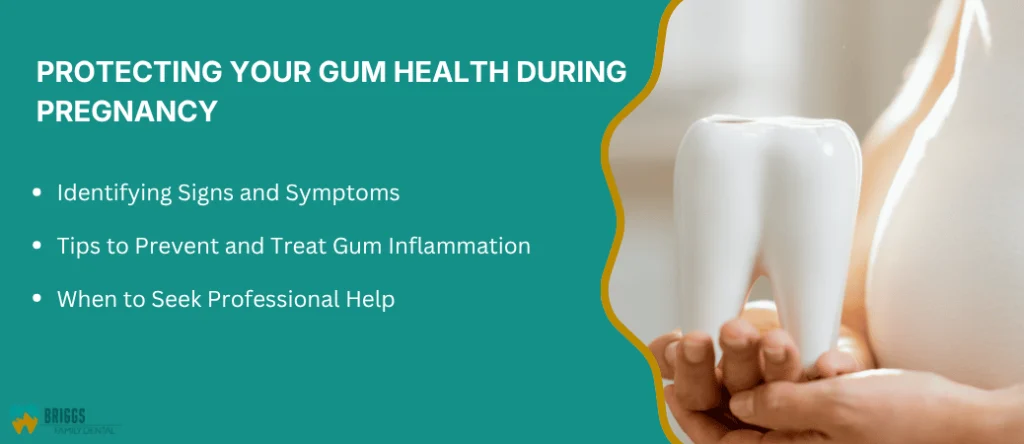
The first sign you might notice is bleeding when you brush or floss your teeth. Your gums may appear red, swollen, or puffy instead of their normal pink color.
Some women develop tender gums that hurt when touched or while eating. You might also notice your gums pulling away slightly from your teeth or feel like they’re more sensitive than usual.
Pregnancy-associated gingivitis typically starts in the second month and peaks around the eighth month.
The hormonal changes during pregnancy affect your immune response, making your gums react more strongly to plaque buildup.
If you notice any of these symptoms, don’t ignore them. While gingivitis is common during pregnancy, it still needs attention to prevent it from getting worse.
Tips to Prevent and Treat Gum Inflammation
Brush your teeth at least twice daily using a soft-bristled toothbrush and fluoride toothpaste. Floss once every day to remove plaque between your teeth where your toothbrush can’t reach.
Rinse your mouth with water after morning sickness episodes to help neutralize stomach acid. Wait about 30 minutes before brushing to protect your enamel.
Daily oral hygiene habits:
- Brush for two full minutes each time
- Use gentle circular motions on your gums
- Replace your toothbrush every three months
- Consider an antimicrobial mouth rinse if your dentist recommends it
Eat a balanced diet with plenty of vitamins C and B12, which support gum health. Limit sugary snacks and drinks that feed harmful bacteria in your mouth.
Schedule regular dental visits throughout your pregnancy since preventive care is safe at any stage.
When to Seek Professional Help
Contact your dentist if your gums bleed heavily or continuously, even with gentle brushing. You should also call if you notice severe swelling, persistent pain, or loose teeth.
See a periodontist if you develop significant gum problems beyond routine gingivitis. Untreated gum disease during pregnancy has been linked to preterm birth and low birth weight in some studies.
Don’t wait for your regular checkup if you have signs of infection like pus between your teeth and gums, a bad taste in your mouth, or gums that have pulled away from your teeth.
Your dentist can provide safe treatment options during pregnancy to address these issues and protect your oral health.
Procedures, Medications, and Materials: What’s Safe and What to Avoid
Most dental treatments are safe during pregnancy with proper precautions.
Emergency procedures like extractions and root canals can be performed at any time, while some elective treatments are better postponed until after delivery.
Dental Cleanings, Fillings, and Restorations

Routine dental cleanings are safe at any point during pregnancy and should not be skipped. Your regular six-month cleaning helps prevent gum disease, which affects about 40% of pregnant women.
Fillings and restorations can be done throughout your pregnancy. Both amalgam and composite fillings are considered safe materials for dental work while pregnant.
If you have a cavity or broken tooth, getting it fixed right away prevents the problem from getting worse.
Root canals and tooth extractions are also safe when needed. These emergency treatments should not be delayed just because you’re pregnant.
Putting off necessary dental work while pregnant can lead to infections that may cause more serious complications.
Use of Anesthetics, X-rays, and Antibiotics
Local anesthesia with lidocaine is safe during pregnancy, with or without epinephrine. Your dentist can numb the area without risk to your baby.
Dental X-rays are safe when your abdomen and thyroid are shielded with a lead apron. The radiation exposure is extremely low.
Some women choose to avoid X-rays during the first trimester, but they can be done safely if needed for diagnosis or treatment.
Antibiotics may be prescribed if you have an infection. Your dentist will choose medications that are safe for pregnancy.
If you have certain heart conditions, you may need antibiotics before dental procedures to prevent infection.
Procedures Best Delayed Until After Delivery
Elective cosmetic procedures like teeth whitening should wait until after delivery. These treatments haven’t been studied enough during pregnancy to confirm their safety.
Non-urgent procedures can be scheduled for after your baby arrives. This includes things like getting new crowns or bridges if your current ones are working fine.
Orthodontic work and wisdom tooth removal that isn’t causing problems can also be postponed.
If a procedure can wait without causing harm, many dentists prefer to do it after the first trimester or after delivery.
Daily Oral Health Tips for Expectant Mothers
Your daily oral care routine becomes even more important during pregnancy as hormonal changes increase your risk of gum problems and tooth decay.
Simple adjustments to your brushing habits, managing morning sickness effects, and choosing the right foods can protect both your teeth and your baby’s development.
Establishing a Pregnancy-Safe Oral Care Routine
You should brush your teeth twice daily for two minutes using a soft-bristled toothbrush and fluoride toothpaste. Fluoride is safe during pregnancy and helps prevent cavities.
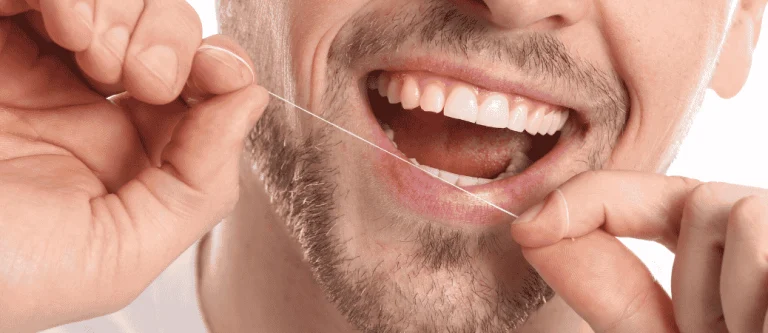
Floss at least once per day to remove food particles and plaque between your teeth where your toothbrush can’t reach.
This step is critical because pregnancy hormones make your gums more sensitive to plaque buildup.
Consider using an antimicrobial mouth rinse if your dentist recommends it. Avoid alcohol-based mouthwashes and opt for alcohol-free versions instead.
Replace your toothbrush every three to four months or sooner if the bristles become frayed. A worn toothbrush won’t clean your teeth effectively.
Pay extra attention to your gum line when brushing. Pregnancy gingivitis affects up to 75% of pregnant women and typically appears between months two and eight.
Handling Morning Sickness and Its Impact on Teeth
If you vomit from morning sickness, don’t brush your teeth immediately afterward. The stomach acid softens your tooth enamel, and brushing right away can damage it.
Instead, rinse your mouth with water or a mixture of one cup of water and one teaspoon of baking soda. This neutralizes the acid and protects your enamel. Wait at least 30 minutes before brushing.
Chew sugar-free gum after getting sick to increase saliva production. Saliva naturally helps wash away acid and restore your mouth’s normal pH balance.
If brushing triggers your gag reflex, try using a smaller toothbrush head or a children’s toothbrush. You can also brush without toothpaste first, then apply a small amount once you’re comfortable.
Nutritional Support for Your Dental Health
Your diet directly affects your oral health during pregnancy. Calcium-rich foods like milk, cheese, and yogurt strengthen your teeth and help build your baby’s teeth and bones.
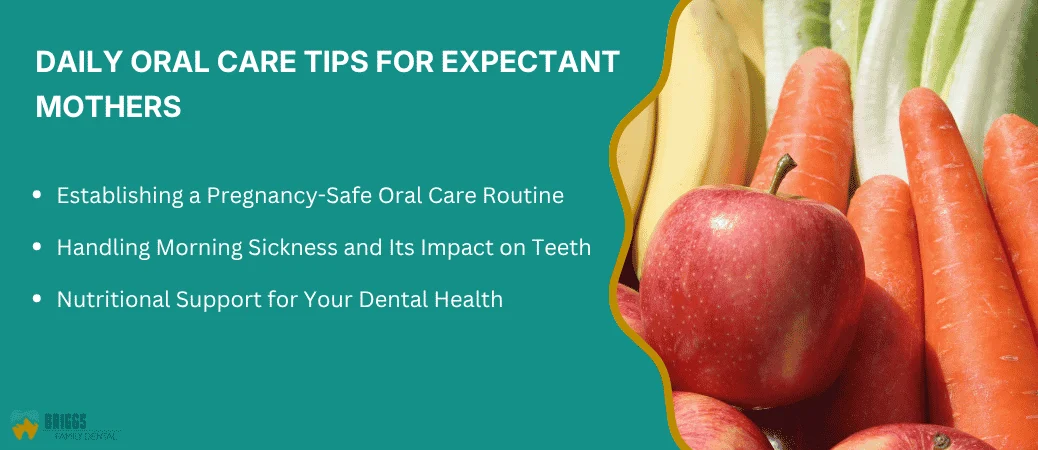
Eat crunchy fruits and vegetables such as apples, carrots, and celery. These foods naturally clean your teeth and stimulate your gums while providing essential vitamins.
Limit sugary snacks and drinks between meals. If you do have something sweet, rinse with water afterward or eat it with a meal rather than alone.
Drink plenty of water throughout the day to keep your mouth moist and wash away food particles. Water also helps you produce more saliva, which protects against tooth decay.
Include vitamin C-rich foods like oranges, strawberries, and bell peppers to support healthy gums. Vitamin D from fortified milk or sunlight exposure helps your body absorb calcium more effectively.
Frequently Asked Questions
Most dental treatments are safe during pregnancy, but timing matters. The second trimester offers the best window for routine work, while emergency care can happen anytime.
Is it safe to get dental work done during the first trimester, or should I wait?
You can get dental work during your first trimester if you need it. However, many dentists prefer to wait until the second trimester for routine procedures when possible.
The first 13 weeks are when your baby’s major organs develop. While dental care is safe, you might want to postpone non-urgent treatments until the second trimester.
Emergency treatments should never be delayed, no matter what trimester you’re in. Untreated dental infections can cause more harm than the treatment itself.
Which trimester is considered the safest time for routine dental treatments like cleanings and fillings?
The second trimester is the best time for routine dental work. This period typically runs from week 14 to week 20 of your pregnancy.
During this time, your risk of miscarriage has dropped significantly. Your baby’s organs have also finished their initial development phase, making it the safest window for most dental procedures.
You’ll also feel more comfortable in the dental chair during the second trimester. Morning sickness usually improves, and your belly isn’t too large yet.
Are dental X-rays safe during pregnancy, and what precautions should be used?
Dental X-rays are safe during pregnancy at any stage. The American Dental Association confirms that having dental radiographs taken is safe at any point during pregnancy.
Your dentist will use a lead apron to protect your abdomen. A thyroid collar provides extra protection for your neck area.
Modern digital X-rays use very low levels of radiation. The amount of radiation is minimal and won’t harm your developing baby.
Which local anesthetics are safe in pregnancy, including options like lidocaine or Novocaine?
Lidocaine and Novocaine are both safe to use during pregnancy. These local anesthetics fall into category B for pregnancy safety.
Your dentist can give you local anesthesia at any point during your pregnancy. The medication stays in the treatment area and doesn’t reach your baby in harmful amounts.
Antibiotics like penicillin, amoxicillin, and clindamycin are also safe if you need them after your procedure. These medications are all labeled category B for safety during pregnancy.
Can I get a tooth filling or crown in the third trimester, and are there any timing considerations?
You can get fillings and crowns during your third trimester. The main challenge is comfort rather than safety.
Your growing belly might make it hard to lie back in the dental chair for long periods. You may need to take breaks or shift positions during longer appointments.
Try to schedule treatments earlier in the third trimester if possible. After week 36, you might find it more comfortable to wait until after delivery for non-urgent work.
What dental procedures should be postponed until after delivery unless it’s an emergency?
Elective cosmetic procedures should wait until after you give birth. This includes teeth whitening, veneers, and other treatments that aren’t medically necessary.
Complex procedures like dental implants are best delayed until after pregnancy. These treatments require multiple appointments and healing time that you might not want to deal with while pregnant.
However, emergency treatments like extractions, root canals, or restorations can be safely performed during pregnancy. Delaying treatment for dental emergencies can lead to more serious problems for you and your baby.