




Dental implants are a great way to replace missing teeth and enjoy a natural-looking smile that lasts. To keep them working well for years, you need to take good care of them every day.
Taking care of your implants means more than just brushing your teeth. You’ll want to protect your gums, avoid harmful foods, and watch for any signs of trouble early.
With the right routine, you can enjoy the benefits of your implants without worry or discomfort. Understanding how to care for your dental implants will help you avoid common problems like infections and implant failure.
This article will guide you through simple, easy steps so you can keep your smile strong and healthy for life.
Key Takeaways
- Proper daily care keeps your implants healthy and secure.
- Regular dental checkups help catch issues early.
- Healthy habits protect your implants from damage.
Understanding Dental Implants and Their Importance
Dental implants are a popular choice for replacing missing teeth because they look, feel, and work like natural teeth. Taking care of them right can keep your smile healthy and avoid problems.
It’s important to know how implants function, how they differ from real teeth, and why caring for them over time matters a lot.
The global dental implant market was valued at $6.1 billion in 2023 and is projected to grow through the decade, reflecting increasing demand and wider adoption.
How Dental Implants Work
A dental implant acts as an artificial tooth root, usually made of titanium. It is placed into your jawbone during a minor surgery.
Over time, the bone grows around the implant, securing it firmly in place. This process, called osseointegration, helps the implant support the crown, bridge, or denture that looks like a real tooth.
Because the implant is fused to your bone, it provides strong support for chewing and speaking. You can think of it as a root that anchors your new tooth securely.
Unlike dentures, implants do not slip or move.
Differences From Natural Teeth
While dental implants work like real teeth, they have some key differences. Implants themselves do not have nerves inside them, so they do not feel pressure or temperature like natural teeth do.
Also, implants cannot decay because they are made from metal and ceramic materials. However, the gums and bone around your implant can still get infected or inflamed.
Poor implant care can lead to problems like peri-implantitis, which is similar to gum disease and may cause implant failure.
Because of this, your implant thrives when you keep your gums healthy and avoid bad habits like smoking or chewing hard objects.
Benefits of Long-Term Implant Care
Taking care of your dental implants every day helps protect your investment and your oral health. Regular brushing and flossing keep plaque and bacteria away from the implant and surrounding tissue.
Using special tools like soft brushes or water flossers can clean hard-to-reach spots without damaging the implant surface. Visiting your dentist twice a year allows professionals to clean your implants properly and check for issues before they get serious.
Avoiding harmful habits like smoking and chewing ice also lowers the risk of complications. Clinical studies show survival rates of approximately 92.5% over five years, underlining the importance of regular care and monitoring.
Building a Daily Oral Hygiene Routine for Implants
To keep your dental implants healthy, you need a clear routine that focuses on gentle cleaning and reaching all the spaces around your implants. The right tools and methods will help you remove plaque and protect your gums without damaging the implants.
Brushing Techniques for Implants

When you brush your implants, use a soft-bristled toothbrush to avoid scratching the implant surface. Brush twice daily, and focus on cleaning all sides of your implant crown.
Hold your brush at a 45-degree angle where the gum meets the implant. Use small, gentle circles rather than hard scrubbing.
This helps remove plaque without irritating your gums. Avoid too much force, which can cause gum inflammation.
Take time to brush each implant area thoroughly; about two minutes per session is ideal for effective cleaning.
The Role of Non-Abrasive Toothpaste
Using non-abrasive toothpaste is important because abrasive types can wear down the implant’s crown surface over time. Look for toothpaste labels that say “non-abrasive” or are made specifically for sensitive teeth or dental implants.
These formulas clean well but are gentle on your implants and gums. Avoid whitening or tartar-control toothpastes unless your dentist approves them because they often contain harsher ingredients that can damage the implant surface or irritate your gums.
Flossing and Water Flossers for Implants
Flossing helps remove plaque and food particles where your toothbrush can’t reach, especially around the base of your implant posts. You can use implant-safe floss, which is thinner and less likely to fray or get stuck.
Floss once daily, gently sliding it up and down along the implant to clean below the gumline. Water flossers are also highly effective.
They use a gentle stream of water to clean hard-to-reach spots. They are good if you have multiple implants or bridges and can be easier to use than string floss for some people.
Using Interdental Brushes
Interdental brushes are small brushes designed to clean between teeth and around implants. They reach areas that regular brushes might miss.
Choose brushes with soft bristles and the correct size for your implant gaps. Too large a brush can hurt your gums, while too small might not clean well.
Use a gentle in-and-out motion to avoid damaging gum tissue. Including interdental brushes in your routine can prevent plaque buildup and help maintain healthy gums around your implants.
Need expert guidance on implant care? Contact Briggs Family Dental in New Market, VA, today to schedule your consultation and keep your implants in top shape!
Essential Implant Maintenance Tools and Products
To keep your dental implants healthy, you need the right tools and products designed to clean gently but thoroughly. Using the proper toothbrush, mouth rinse, and cleaning accessories helps protect your implants and the surrounding gums from damage and infection.
Choosing the Right Toothbrush
A soft-bristled toothbrush is best for cleaning your implants. Hard bristles can scratch the implant surface or irritate your gums.
You can use either a manual or electric toothbrush, but if you choose electric, look for one with a pressure sensor to avoid brushing too hard. Focus on brushing around the implant area gently but thoroughly twice a day.
Use non-abrasive toothpaste to avoid damaging the implant’s surface. Brushing along the gum line where the implant meets the tissue is especially important to remove plaque and prevent inflammation.
Changing your toothbrush every 3 months or when the bristles look worn keeps it effective. Your dentist can also recommend brushes that work best for your type of implant.
Best Mouth Rinses for Implants
Antimicrobial mouth rinses can help you control bacteria that cause peri-implantitis, a gum disease that affects implants. Choose alcohol-free rinses to avoid drying out your mouth and irritating your gums.
Look for formulas with chlorhexidine or essential oils, as these can reduce harmful bacteria without harming implant surfaces. Use the rinse as directed by your dentist, usually once or twice daily after brushing.
Avoid using strong whitening or abrasive rinses since they could damage the implant or cause gum irritation. Your dental professional might suggest a specific product suited to your needs.
Implant-Safe Cleaning Accessories
Besides brushing and rinsing, tools like water flossers and interdental brushes help clean hard-to-reach spaces around your implants. Water flossers use a gentle stream of water to flush out bacteria and food particles where regular floss might miss.
They’re very effective for full-arch restorations or bridge implants. Interdental brushes with nylon-coated wire are also recommended.
These can fit between teeth and implants without scratching. Avoid metal wires that might damage the implant surface.
Regular use of these cleaning accessories supports your daily oral hygiene and helps prevent plaque buildup, keeping your implants healthy and secure.
For personalized implant care and recommendations, contact Briggs Family Dental in New Market, VA, to ensure your implants stay in optimal condition!
Professional Care: Checkups and Cleanings
Taking care of your dental implants means more than just brushing at home. You need regular visits to your dentist and professional cleanings to keep your implants healthy.
Specialized care also helps catch problems early and keeps your gums strong.
Importance of Regular Dental Visits
Going to the dentist regularly is key to dental implant maintenance. During checkups, your dentist looks for signs of gum disease or inflammation around the implant.
They also check how well your implant is fitting and performing. Your dentist may take X-rays to see the bone around the implant and spot any hidden issues.
Early detection of problems can save you from costly repairs later. Most dentists recommend visits every six months, but your dentist might suggest more frequent appointments if you have special needs.
Role of Professional Cleanings
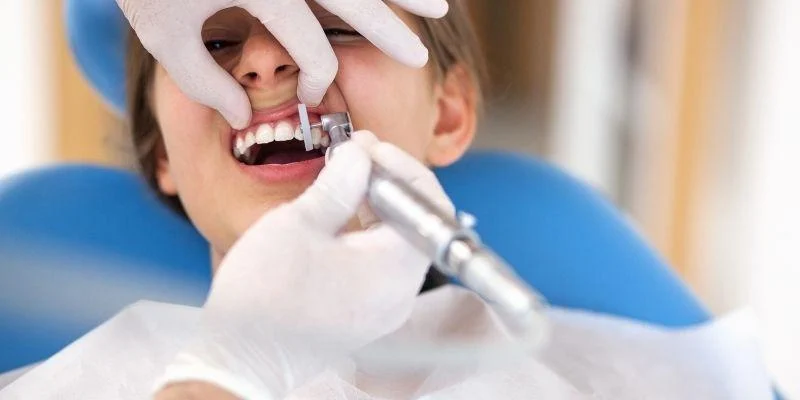
Even if you brush and floss well, plaque can build up in places you can’t reach. Professional cleanings remove this plaque and bacteria to protect your gums and implants.
A dental hygienist uses tools designed to clean implants without damaging them. This helps prevent peri-implantitis, a condition similar to gum disease that can cause implant failure.
Regular cleanings keep your implants looking good and working well for many years. Cleaning sessions usually last about 30 to 60 minutes, depending on your oral health.
Working With a Periodontist
A periodontist is a dentist who specializes in the gums and supporting tissues around teeth and implants. If you have gum problems or complex implant needs, working with a periodontist can be very helpful.
They can treat gum disease and advise you on the best ways to care for your dental implants. Periodontists also perform special cleanings and can fix issues if you develop peri-implantitis.
If your general dentist notices any problems, they might refer you to a periodontist for expert care. This teamwork helps protect your investment and keeps your smile healthy.
Need expert implant care? Contact Briggs Family Dental in New Market, VA, for specialized treatment!
Protecting Your Implants From Problems
Taking care of your dental implants means focusing on the health of the gums and bone around them. Staying alert to early signs of trouble and knowing how to act can keep your implants strong and comfortable.
Preventing Gum Disease and Peri-Implantitis
Gum disease and peri-implantitis are the biggest threats to your implants. These conditions cause inflammation and can lead to bone loss or implant failure if not treated.
To protect your gums, brush twice a day using a soft toothbrush and gentle, low-abrasion toothpaste. Don’t forget to floss daily, using special floss or interdental brushes to reach around the implant.
Rinsing with an antimicrobial mouthwash helps reduce harmful bacteria. Avoid smoking because it slows healing and increases your risk of gum problems.
Also, limit hard or sticky foods that can irritate your gums or damage the implant crown. Staying consistent with good hygiene habits lowers your chances of getting peri-implant disease.
Recognizing Warning Signs Early
Noticing issues early gives you the best chance to save your implant. Watch for signs like redness, swelling, or bleeding in the gum tissue around your implant.
You might also feel tenderness or notice a bad taste or smell that won’t go away. If your implant feels loose or chewing becomes difficult, those are signals to contact your dentist right away.
Early detection lets your dental team treat problems before they get worse. Regular checkups are key because sometimes you won’t feel pain but inflammation could be starting.
Keep track of changes so you can get help if needed.
Managing Peri-Implant Disease
If peri-implant disease develops, managing it quickly is important to avoid implant failure. Treatment usually includes professional cleaning to remove plaque and bacteria from under the gums.
Your dentist might use special tools that won’t harm the implant surface. In more severe cases, deeper cleaning or minor surgery may be needed to stop bone loss.
You’ll need to improve your home care routine and possibly use medicated rinses. Avoid smoking and control other health issues like diabetes, as they affect healing.
Working closely with your dental team and sticking to follow-up visits gives you the best chance of keeping your implants healthy for the long term.
Lifestyle Choices for Lasting Implant Health
Taking care of your dental implants goes beyond brushing and flossing. Your diet, habits like smoking and drinking, and protecting your teeth at night all play a big role in keeping your implants strong and healthy over time.
Diet and Nutrition for Strong Implants
Your implants rely on the health of the bone and gums around them. Eating foods rich in calcium and vitamin D helps keep your jawbone strong and supports implant stability.
Dairy products, leafy greens, almonds, and fatty fish like salmon are great choices. Protein also matters.
Foods like chicken, beans, and eggs help repair tissues and keep your gums healthy. Avoid very hard or sticky foods that could put extra pressure on your implants or damage them.
Drinking plenty of water and staying hydrated supports overall oral health.
The Impact of Smoking and Alcohol
Smoking slows down healing and increases your risk of bone loss around the implant. Nicotine reduces blood flow to your gums, making infections more likely.
If you smoke, quitting is one of the best things you can do for your implant health. Alcohol, especially in large amounts, can also interfere with healing and lower your mouth’s ability to fight off infection.
Limit drinking, at least during the healing phase, to give your implants the best chance to integrate fully.
Using a Nightguard or Mouthguard
If you grind your teeth at night, a nightguard is important to protect your implants from too much pressure. Grinding can wear down or loosen implants over time.
You can get a custom nightguard from your dentist, which fits comfortably and shields your implants during sleep. If you play sports, wear a mouthguard to prevent injuries that could damage your implants or surrounding teeth.
Protecting your smile at all times helps your implants last longer and stay comfortable.
Caring for Different Types of Dental Implants
Different types of dental implants need specific care routines to keep them healthy and functioning well. Whether you have a single implant, a bridge, or a full arch restoration, your daily habits and cleaning tools have to match the type of implant you have.
Single Implants vs. Bridges
Single implants replace one missing tooth and are cared for much like your natural teeth. You should brush gently with a soft-bristle toothbrush and floss carefully around the implant to remove plaque and food debris.
Using interdental brushes or water flossers can help reach tight spots without hurting your gums. Bridges attached to implants cover multiple teeth.
They require extra attention because food can get stuck beneath the bridge. Use a water flosser or specialized floss to clean under and around the bridge’s edges.
Avoid hard or sticky foods that might damage the bridge or loosen the implants.
Key care tips:
- Brush twice daily with a soft brush
- Floss or use water flossers daily
- Avoid hard or sticky foods
- Visit your dentist regularly for deep cleaning
Special Considerations for Full Arch Restoration
Full arch restorations replace all the teeth in your upper or lower jaw. These implants support a fixed prosthesis, which means food can hide underneath the teeth, making cleaning extra important.
You’ll need to focus on cleaning both the prosthetic teeth and the areas where the gums meet the implant. A soft electric toothbrush works well, and a water flosser is excellent for flushing out debris below the bridge.
Interdental brushes designed for implants are good for tight spaces. Avoid very hard, sticky, or chewy foods that can wear down the prosthetic or damage the implants.
Regular dental visits are key to check how your full arch implants are holding up.
Focus on:
- Cleaning under the bridge daily
- Using implant-safe cleaning tools
- Avoiding food that stresses the implants
- Frequent dental check-ups for maintenance
Frequently Asked Questions
What steps should I take to maintain my full mouth dental implants?
Brush your teeth twice a day with a soft toothbrush. Floss daily using special floss or interdental brushes to clean around your implants.
Rinse with an antimicrobial mouthwash to reduce bacteria and protect your gums. Avoid smoking and chewing on hard objects to prevent damage.
Are there specific foods I should avoid after getting dental implants?
Yes. Avoid hard foods like ice, hard candies, or nuts that can crack your implant crowns.
Stay away from sticky or very chewy foods right after surgery until your mouth heals. Limiting alcohol helps keep your gums healthy as well.
What are the potential long-term side effects of having dental implants?
If not cared for properly, you might develop gum inflammation or a condition called peri-implantitis, which can cause bone loss around the implant. This can lead to implant failure if untreated.
Keeping good oral hygiene helps prevent these problems.
How often should dental implants be professionally cleaned?
You should visit your dentist at least twice a year for professional cleanings. Your dental team will remove plaque buildup that’s hard to reach at home and check your implants for any early signs of trouble.
What is the best way to clean dental implants at home?
Use a soft-bristled toothbrush with low-abrasion toothpaste. Floss daily with implant-friendly floss or interdental brushes.
A water flosser can also be helpful to clean hard-to-reach spaces. Rinsing with an antimicrobial mouthwash can reduce harmful bacteria.
Can you explain the 3/2 brushing rule for dental implant maintenance?
This rule suggests brushing your implants three times a day and flossing at least twice a day.
Regular, consistent cleaning helps prevent inflammation and keeps your implants stable and healthy.