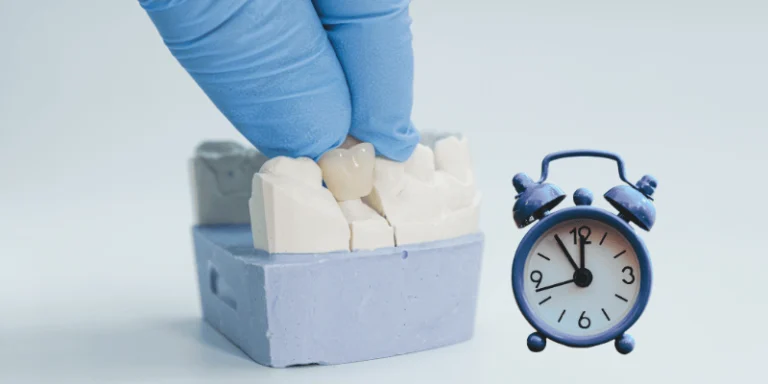




If you have a missing or damaged tooth, you may wonder if a dental bridge will fix the problem. A bridge can work well in some cases, but it does not always protect your long-term oral health.
You might need dental implants instead of a dental bridge if you want to protect your jawbone, avoid altering nearby teeth, and get a more stable long-term solution.
You may notice shifting teeth, bone loss, or repeated issues with crowns or bridges. These signs can point to deeper structural concerns. An implant replaces the tooth root and can help support the bone in your jaw, while a bridge relies on nearby teeth for support.
When you understand the differences, you can choose a treatment that fits your health, comfort, and daily routine. Knowing the signs now can help you avoid more complex dental problems later.
Key Takeaways
- Certain signs show when an implant may offer better long-term support than a bridge.
- Your daily comfort, bite strength, and bone health play a key role in the decision.
- A full evaluation helps you choose the option that fits your goals and oral health.
Recognizing When Dental Implants May Be Needed
Certain dental problems point to dental implants as a stronger long-term fix than a dental bridge. If you notice ongoing pain, shifting teeth, or a bridge that no longer fits well, you may need a different tooth replacement option.
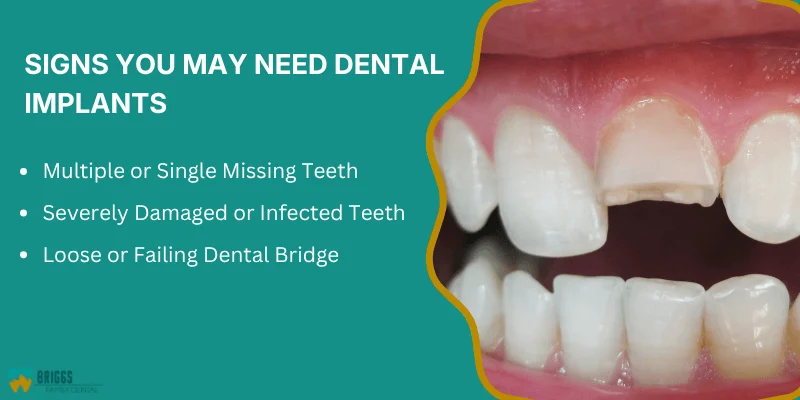
Multiple or Single Missing Teeth
If you have one or more missing teeth, you may notice changes in how you chew or speak. Even one gap can cause nearby teeth to shift. This movement can affect your bite and make cleaning harder.
A traditional dental bridge fills the space by attaching to nearby teeth. Your dentist must shape those healthy teeth to hold the bridge in place. Over time, this added stress can weaken them.
A single tooth implant replaces both the root and the visible tooth. The implant sits in your jawbone and acts like a natural root. This helps keep the bone strong and does not rely on nearby teeth for support.
If you have several missing teeth in different areas, implants can support separate crowns or even a full bridge without grinding down healthy teeth.
Severely Damaged or Infected Teeth
A cracked or deeply decayed tooth may not respond to fillings or crowns. If the damage extends below the gumline, saving the tooth can become hard or impossible.
Infection also plays a role. Severe infection can lead to swelling, pain, and bone loss. When a tooth cannot be saved with a root canal, your dentist may recommend removal.
After extraction, you must choose among different tooth replacement options. A dental bridge can fill the gap, but it does not replace the root. Without a root, the jawbone in that area can shrink over time.
A dental implant replaces the missing root and crown. This helps support the bone and keeps your bite stable.
Loose or Failing Dental Bridge
Dental bridges do not last forever. Most last several years, but they can loosen due to wear, decay in the supporting teeth, or bite changes.
You might notice movement when chewing. Food may trap under the bridge, or the area may feel sore. These signs suggest the supporting teeth may be under stress.
When a bridge fails, replacing it with another bridge means reshaping the same teeth again. If those teeth are weak or damaged, this cycle can continue.
Dental implants offer a different path. Instead of relying on nearby teeth, the implant anchors in your jaw.
If your current dental bridge feels unstable or has failed more than once, you may want to ask whether implants would better protect your long-term oral health.
Functional and Lifestyle Signs Favoring Dental Implants
Daily problems like trouble eating, slipping dentures, or repeated dental work often point to a deeper issue. When your teeth do not function well, your quality of life drops fast.
Difficulty Chewing or Speaking
If you deal with difficulty chewing, pay attention to it. You should not avoid apples, meat, or nuts because your teeth feel weak or unstable.
A traditional bridge depends on the teeth next to the gap. If those teeth weaken over time, your bite can feel uneven. You may start chewing on one side or cutting food into very small pieces.
Speech can change too. Missing teeth or shifting dental work can cause slurred words or whistling sounds.
Dental implants act like artificial roots. They anchor a dental crown directly into your jaw, which helps restore strong bite force. Many patients who report difficulty chewing or eating find that implants give them better stability than bridges.
When you want steady chewing power and clearer speech, implants often offer a more secure fix.
Loose or Uncomfortable Dentures
Loose dentures should not feel normal. If your removable dentures slip while you talk or eat, they can rub your gums and cause sore spots.
You may use adhesive every day just to keep them in place. That adds cost and frustration.
Over time, bone loss in your jaw can make dentures fit even worse. This can lead to more frequent relines or replacements.
Implant dentures attach to small titanium posts in your jaw. This design keeps them from shifting. Many people who struggle with trouble with dentures choose implant dentures because they stay secure without heavy adhesive use.
If your partial dentures move or feel uncomfortable, implants can replace the missing teeth without relying on surrounding teeth for support.
Frequent Restoration Failures
If you replace the same dental crown or bridge more than once, that signals a problem. Natural teeth that support a bridge can crack, decay, or need root canal treatment.
Each repair removes more tooth structure. Over time, the supporting teeth may fail completely.
A bridge also places extra stress on nearby teeth. If those teeth weaken, the entire restoration may need replacement.
Implants stand alone. They do not depend on adjacent teeth for support. This reduces strain on healthy teeth and may lower the risk of repeated restoration failure.
If you feel stuck in a cycle of repairs, implants can offer a more stable and long-term solution.
Oral Health and Structural Factors
Your jawbone, gums, and remaining teeth all affect whether a dental bridge will work long term. When bone loss, gum disease, or visible facial changes show up, you may need a solution that supports your jawbone instead of relying on nearby teeth.
Jawbone Loss and Shifting Teeth
When you lose a tooth, the jawbone under that space no longer gets regular pressure from chewing. Your body starts to break down that unused bone. This process is called jawbone loss.
A dental bridge sits above the gumline. It does not stimulate the jawbone the way a tooth root does. Over time, bone loss can continue under the bridge, which may change how it fits.
You may also notice shifting teeth. Nearby teeth can tilt into the empty space. This movement can affect your bite and make cleaning harder.
Many dentists list bone changes and bite shifts as key signs you may need dental implants. An implant post sits in the jawbone and helps support jawbone health by acting like a root.
If you already have jawbone loss, your dentist may suggest imaging to measure bone levels before recommending a bridge.
Gum Disease and Tooth Decay
A traditional bridge depends on the teeth next to the gap. Your dentist must shape those teeth to hold crowns that support the bridge.
If you have gum disease, those teeth may already have weakened support. Gum disease damages the tissues and bone that hold teeth in place. Adding extra pressure from a bridge can increase stress on them.
Tooth decay also matters. If the anchor teeth have large fillings or a history of cavities, they may not be strong enough for long-term support.
In some cases, people choose implants when they have repeated problems with crowns or bridges. Dentists often note ongoing decay and structural failure as part of the warning signs you need dental implants.
You need healthy gums and stable bone for either option. If gum disease remains active, your dentist will treat it before placing a bridge or implant.
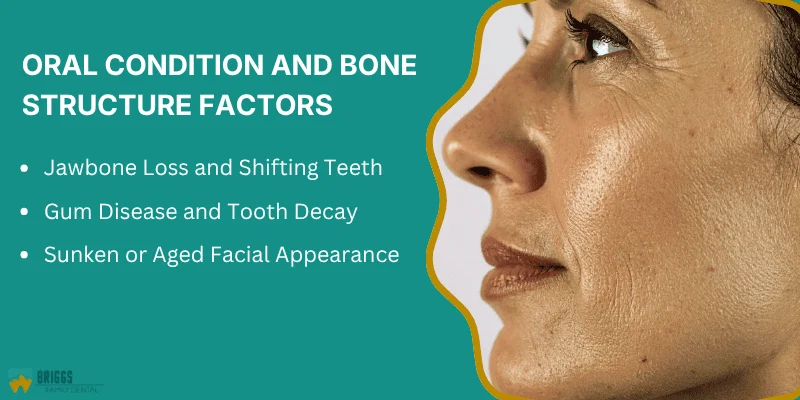
Sunken or Aged Facial Appearance
Your jawbone supports more than your teeth. It also supports your cheeks and lips.
When jawbone loss progresses, you may notice a sunken look around your mouth. Your lips can appear thinner. Fine lines may look deeper because the bone underneath has shrunk.
A bridge replaces the visible tooth, but it does not stop bone shrinkage in the empty space. Over time, this can change your facial shape.
Dental implants sit inside the jawbone. By placing a post in the bone, implants help maintain jawbone health and slow further bone loss in many cases.
If you see visible facial changes after tooth loss, ask your dentist to check bone levels. The right treatment can protect both your smile and your facial structure.
Understanding Dental Implants Versus Dental Bridges
Dental implants and dental bridges both replace missing teeth, but they work in very different ways. The choice affects your jawbone, nearby teeth, and how long the restoration may last.
How Dental Implants Work
A dental implant replaces both the visible tooth and the tooth root. Your dentist places a small titanium dental implant post into your jawbone where the root used to be.
This implant post acts like an artificial root. Over time, your bone fuses to it in a process called osseointegration. That bond helps keep the implant stable when you chew.
After healing, your dentist attaches an abutment and a crown. The crown looks like a natural tooth, but the real strength comes from the implant post under the gum.
Because a tooth implant replaces the root, it helps limit bone loss in your jaw. The implant itself can last for decades with proper care, while the crown may need replacement after 10 to 15 years. You brush and floss it much like a natural tooth.
Talk to a dentist today and get a personalized treatment plan for your missing teeth.
Key Differences from Dental Bridges
Dental bridges fill a gap by attaching to the teeth next to the missing one. Your dentist shapes those nearby teeth so they can hold crowns that support the bridge.
Unlike a tooth implant, bridges do not replace tooth roots. They sit on top of the gums and rely on other teeth for support.
Here are the main differences:
- Support: Implants stand on their own. Bridges depend on neighboring teeth.
- Tooth structure: Implants do not require shaving nearby teeth. Bridges usually do.
- Surgery: Implants require a surgical procedure. Bridges do not involve placing a post in the bone.
Long-Term Oral Health Considerations
When you lose a tooth, your jawbone can shrink because it no longer supports a root. A dental implant post stimulates the bone, which helps keep your jaw strong.
Bridges do not protect the bone in the same way. Over time, bone loss can still occur under the missing tooth area.
Cost also matters. Bridges often cost less at first, but they may need replacement every 7 to 15 years.
You also need to think about daily care. You clean a tooth implant like a natural tooth. Bridges require special flossing tools to clean under the false tooth. If you already have gum problems or weak nearby teeth, that difference can affect your long-term results.
Evaluating Candidacy for Dental Implants
Your dentist looks at your bone, gums, and overall health before planning implant placement. These checks help decide if implant posts will stay stable and heal the right way.
Jawbone Density and Bone Grafting
Dental implants need enough jawbone to hold the implant posts in place. If you lost a tooth years ago, your bone may have shrunk in that area.
Your dentist will take X-rays or a 3D scan to measure bone height and width. Strong, thick bone supports better healing after oral surgery.
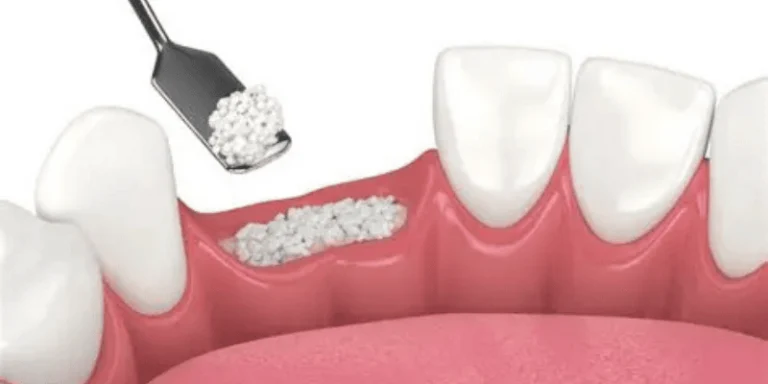
If your bone is too thin or soft, you may still qualify with bone grafting. A bone graft adds material to build up the jaw before implant placement. This step gives the implant a firm base.
Many people who once thought they did not qualify now move forward after grafting. Healing from a bone graft can take a few months. Your dentist will check that the graft has fused with your natural bone before placing the implant.
Overall Health and Surgical Considerations
Dental implants involve oral surgery, so your body must heal well. Your dentist will review your medical history in detail.
Key health factors include:
- Controlled diabetes
- Stable blood pressure
- Healthy gums without active infection
- Non-smoking or willingness to quit
You can still qualify if you manage conditions like diabetes or high blood pressure. What matters most is that your health stays stable and monitored.
Healthy gums are also critical. Active gum disease can weaken bone and raise the risk of implant failure.
Good daily brushing and flossing protect the area around the implant posts after placement. Long-term success depends on your habits as much as the surgery itself.
When a Dental Bridge Is Still the Best Option
Implants are not always the right choice. In some cases, a dental bridge fits your needs better.
You may choose a bridge if you want to avoid oral surgery. Some people also need to delay implant placement due to medical timing or personal reasons.
If nearby teeth already need crowns, a bridge can restore the gap and protect those teeth at the same time. It also works well when bone loss is severe and you prefer not to undergo bone grafting.
Your dentist will compare long-term costs, healing time, and maintenance. Together, you can decide which option fits your health, budget, and comfort level.
Choosing the Right Tooth Replacement Option for You
You have several ways to replace missing teeth, and each one fits a different need. Your choice depends on how many teeth you lost, the health of nearby teeth, your jawbone strength, and your budget.

Single Tooth Implant Solutions
If you are missing one tooth, a single tooth implant often gives you the most stable result. A dentist places a small titanium post in your jawbone, then attaches a crown on top. The implant acts like a tooth root, which helps keep your bone from shrinking over time.
Unlike a traditional bridge, an implant does not require shaving down the healthy teeth next to the gap. That matters if those teeth have no fillings or damage. You protect your natural enamel and lower the risk of future decay on those teeth.
A single implant can last 20 years or more with good care. You brush and floss it like a natural tooth.
Implant-Supported Bridges and Dentures
If you are missing several teeth in a row, your dentist may suggest an implant-supported bridge. Instead of placing an implant for every tooth, they place two or more implants and attach a fixed bridge on top.
This option spreads pressure across the jaw and avoids cutting down healthy teeth.
When you are missing most or all teeth in one arch, implant dentures can help. These dentures snap onto implants placed in your jaw. They feel more secure than traditional removable dentures and reduce slipping while you eat or talk.
Some systems use four implants to hold a full arch in place. This approach can cost less than placing an implant for every missing tooth.
Implant-supported options require surgery and healthy bone. Your dentist may suggest a bone graft if your jaw has weakened.
Partial Dentures and Other Alternatives
If you want a lower-cost solution, partial dentures or removable dentures may fit your needs. A partial denture replaces a few missing teeth and clips onto your remaining natural teeth. A full removable denture replaces all teeth in the upper or lower arch.
Removable dentures cost less upfront. Many people choose them when surgery is not an option due to health issues or limited bone.
However, dentures can loosen over time as your jawbone changes shape. You may need relines or replacements every few years. Some people also notice sore spots or difficulty chewing hard foods.
Bridges remain another fixed option if you have strong teeth on both sides of the gap. Your dentist can review X-rays, check your gum health, and help you match the right solution to your goals.
Frequently Asked Questions
Choosing between a dental implant and a bridge affects your jawbone, nearby teeth, and long-term costs. The right option depends on your bone health, the condition of nearby teeth, and whether you want a fixed solution that stands on its own.
What are the main differences between dental implants and bridges?
A dental implant replaces both the tooth and its root. Your dentist places a small titanium post in your jawbone, and it supports a crown on top.
A dental bridge fills the gap by attaching a false tooth to the teeth on each side. Your dentist must file down those healthy teeth to hold the bridge in place.
Implants do not rely on nearby teeth for support. Bridges depend on them, which can add stress over time.
How do I know if I’m a good candidate for dental implants?
You may qualify for implants if you have one or more missing teeth and healthy gums. You also need enough jawbone to support the implant.
Your dentist will check your bone level with X-rays or a 3D scan. If you have bone loss, you might still qualify after a bone graft.
Good daily brushing and flossing habits also matter. Implants require the same care as natural teeth.
What are the long-term benefits of choosing implants over a bridge?
Implants help keep your jawbone strong because they act like natural roots. This stimulation can reduce bone shrinkage over time.
They also leave nearby teeth untouched. A bridge requires shaping healthy teeth, which can increase the risk of decay or future dental work. With proper care, implants can last for decades.
Can dental implants help if I’ve already had a bridge that failed?
Yes, implants often replace a failed bridge. If decay or damage affects the teeth that supported your bridge, your dentist may remove the bridge and treat those teeth.
After healing, an implant can replace the missing tooth without relying on neighboring teeth again. This approach can give you a more stable and independent solution.
Your dentist will first check your gum health and bone level before moving forward.
What signs suggest dental implants might be a better option than a bridge for missing teeth?
You may want to consider implants if you have a single missing tooth and strong bone in that area. An implant can fill that space without changing the teeth next to it.
If you feel self-conscious about gaps or struggle with chewing, implants may restore your bite strength. Loose teeth, ongoing infections, or repeated bridge repairs also point toward a more stable option.
How does the health of my jawbone affect the decision between an implant and a bridge?
Your jawbone plays a key role in implant success. An implant must fuse with the bone to stay secure.
If you lost a tooth years ago, the bone in that area may have shrunk. In that case, your dentist may suggest a bone graft before placing an implant.
A bridge does not require strong bone in the missing tooth area. However, it does not stop bone loss either, since it sits above the gums and does not replace the root.