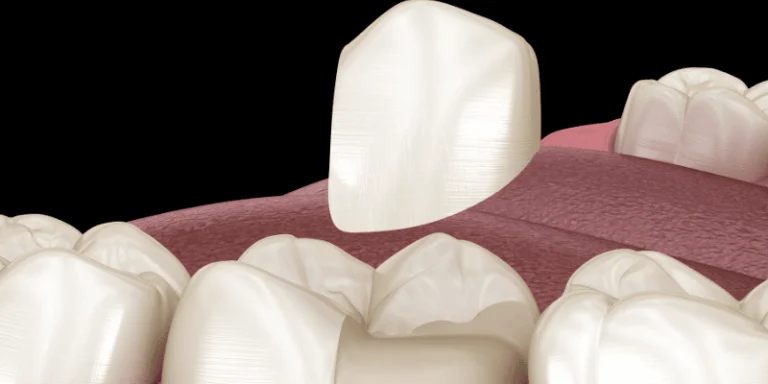




If you have sensitive teeth, you might think cosmetic dentistry isn’t an option for you.
The good news is that many cosmetic dental treatments can be tailored to avoid discomfort while improving your smile.
With the right care, you can enjoy cosmetic procedures without pain or sensitivity. Sensitive teeth happen when the protective layers of your teeth become exposed, causing pain during some treatments.
Luckily, modern cosmetic dentistry offers gentle solutions that work with your sensitivity.
From whitening methods made for sensitive teeth to minimally invasive options like bonding and veneers, there are choices to help you look and feel your best.
Key Takeaways
- You can improve your smile without worsening tooth sensitivity.
- Gentle treatments and careful planning help reduce discomfort.
- Proper care after treatment supports long-lasting comfort and results.
Understanding Sensitive Teeth and Cosmetic Dentistry
Sensitive teeth happen when parts of your teeth that are normally protected become exposed. This can affect how comfortable you feel during cosmetic dentistry.
Knowing what causes sensitivity, how it changes your treatments, and the role your cosmetic dentist plays can help you get the best results without pain.
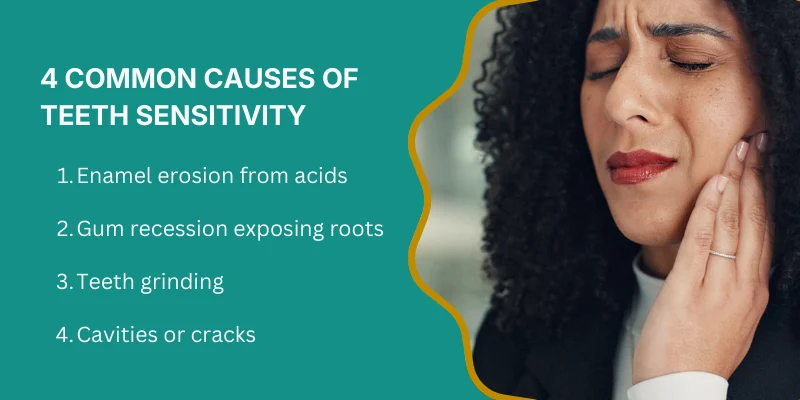
What Makes Teeth Sensitive?
Your teeth have layers, with enamel on the outside and dentin beneath it. When enamel wears away or gums pull back, the softer dentin or exposed roots show.
This lets hot, cold, or sweet things reach the nerves inside, causing pain or discomfort. Common causes of sensitivity include:
- Enamel erosion from acids or brushing too hard
- Gum recession exposing roots
- Teeth grinding
- Cavities or cracks
If your teeth feel sharp or tingly with temperature changes, you might have sensitivity. This can affect how certain cosmetic treatments feel and may require special care.
How Tooth Sensitivity Impacts Cosmetic Procedures
Cosmetic dentistry aims to improve your smile with procedures like teeth whitening, veneers, or bonding. But if you have sensitive teeth, some treatments might cause extra discomfort.
For example, strong whitening agents can sting sensitive teeth. Procedures that require grinding down enamel, like traditional veneers or crowns, might make sensitivity worse.
Fortunately, there are gentle options tailored for sensitive teeth, such as:
- Low-strength whitening agents
- Minimal enamel removal for veneers
- Composite bonding that avoids drilling
Your comfort is important, so these options help you get a better smile without added pain.
Protect your sensitive teeth while enhancing your smile.
Schedule a consultation at Briggs Family Dental in New Market, VA, to explore gentle cosmetic dentistry options today!
The Role of a Cosmetic Dentist
Your cosmetic dentist is key to managing sensitivity during treatment. They start with a full checkup to find what’s causing your sensitivity.
This might include checking for enamel erosion, exposed roots, or other issues. They then design a plan that matches your needs, using gentle methods or treatments to reduce discomfort.
Your dentist can also recommend products like desensitizing toothpaste to use before and after procedures. Communication with your dentist is important.
Let them know about any pain during or after treatment to adjust care as needed.
Common Causes of Tooth Sensitivity
Tooth sensitivity often happens when your teeth lose their natural protection. This can leave the inner layers vulnerable to pain triggered by hot, cold, or sweet foods and drinks.
Knowing what causes this can help you take better care of your teeth and find relief.
Enamel Erosion and Worn Enamel
Your enamel is the hard, outer layer of your teeth. When it wears down, the softer dentin underneath becomes exposed.
This can make your teeth very sensitive to temperature changes and certain foods. Enamel erosion happens from brushing too hard, eating acidic foods, or natural wear over time.
Studies show enamel/dentin loss can happen due to acid erosion (from acidic foods/drinks or stomach acid), mechanical abrasion (hard brushing or abrasive toothpastes), attrition and wear (from teeth grinding or chewing hard objects), and gingival recession (from gum disease, aging, or aggressive flossing/cleaning).
To protect your enamel, use a soft-bristled toothbrush and fluoride toothpaste. Avoid acidic drinks like soda and citrus juices.
Special toothpaste that strengthens enamel can also help reduce sensitivity.
Gum Recession and Exposed Roots
When your gums pull back or recede, the roots of your teeth become visible. Unlike enamel, tooth roots are not covered by this hard layer and are more sensitive.
This exposure can cause pain when you eat or drink cold or hot things. Gum recession often results from aggressive brushing, gum disease, or aging.
To prevent it, brush gently, floss properly, and keep regular dental visits. In serious cases, your dentist might suggest a gum graft to cover the exposed roots and protect your teeth better.
Tooth Decay and Worn Fillings
Cavities and broken or old fillings can leave parts of your teeth unprotected. If the decay reaches the dentin, your teeth may react painfully to sweets, heat, or cold.
Getting dental care early can stop decay from causing more sensitivity. Your dentist can replace worn fillings or fix cavities to seal your teeth properly.
Regular check-ups help catch these problems before they hurt or get worse.
Oral Hygiene and Lifestyle Factors
Your daily habits affect tooth sensitivity. Brushing too hard or using a hard toothbrush can wear down enamel and gums.
Not flossing can lead to gum problems, increasing sensitivity. Eating lots of acidic or sugary foods weakens your teeth.
Teeth grinding, often during sleep, damages enamel and makes sensitivity worse. Using a night guard and keeping good oral hygiene can protect your teeth and reduce pain.

Gentle Cosmetic Procedures for Sensitive Teeth
You can improve your smile without causing extra pain or sensitivity. Some treatments use soft, tooth-friendly materials and need little or no removal of your natural tooth enamel.
These options help protect your teeth while making them look better.
Tooth-Colored Bonding and Dental Bonding
Tooth-colored bonding uses a soft resin that matches your tooth color. This material covers chips, cracks, or discoloration.
It’s gently applied and shaped right on your tooth, usually in one visit. Dental bonding is great if you want to fix small issues without drilling much.
Because it doesn’t remove much enamel, your teeth stay strong and less sensitive. The process is quick and doesn’t usually cause discomfort during or after treatment.
The bonding material also acts as a shield for sensitive teeth, reducing exposure to things that cause pain. This makes dental bonding a smart, gentle choice for cosmetic dentistry if your teeth are sensitive.
Porcelain Veneers and Minimal-Prep Veneers
Porcelain veneers are thin, custom shells that cover your teeth’s front. They hide stains, cracks, and gaps, giving you a smooth and even smile.
For sensitive teeth, minimal-prep or no-prep veneers are best. They need little or no enamel removal, so your natural tooth stays safer and less sensitive.
These veneers fit tightly and look natural, improving your smile with less chance of discomfort. You wear these veneers after your dentist takes a mold of your teeth.
Then the shells are made in a lab and bonded to your teeth, so the whole process is gentle but effective.
Replacing Metal Fillings with Composite Options
If you have metal fillings that bother your sensitive teeth, switching to composite fillings can help. Composite fillings are tooth-colored resins that blend in and don’t expand or contract much, reducing irritation.
Composite materials bond directly to the tooth surface with minimal drilling. This preserves more of your healthy tooth and lowers sensitivity caused by older metal fillings.
Replacing worn fillings with composites also improves your smile by getting rid of metal’s dark color. This gentle approach combines cosmetic benefits with better comfort for sensitive teeth.
A study published in the Journal of Dentistry followed teeth that had old metal (amalgam) fillings replaced with tooth-colored composite resin restorations over an average of 15 years.
The study found that approximately 74.7% of these composite restorations were still intact and functional after this period. This demonstrates that composite resin can provide long-term durability and reliability, even when replacing large or extensive metal fillings, making it a viable and aesthetic alternative to traditional amalgam restorations.
Learn more about gentle cosmetic dentistry procedures for sensitive teeth. Visit Briggs Family Dental in New Market, VA, and see which treatment is right for you!
Teeth Whitening Solutions for Sensitive Teeth
If your teeth are sensitive, you still have good options to brighten your smile without discomfort. Some treatments include special gels or slow application to protect your teeth.
Others avoid harsh chemicals or use protective layers to prevent sensitivity.
Professional Teeth Whitening with Desensitizing Agents
When you choose professional teeth whitening, your dentist can help manage sensitivity. They often use whitening products combined with desensitizing gels.
These gels contain ingredients like fluoride that strengthen enamel and reduce nerve pain during the bleaching process. Your dentist applies the desensitizing gel either before or after the bleaching agent.
This helps protect your teeth while the peroxide lightens stains. You may also get treatment with special gels to keep sensitivity low in the days following your appointment.
The process uses strong bleaching agents, but the desensitizing products make it safer and more comfortable. Professional care means your whitening is carefully controlled, reducing the chance of long-lasting sensitivity.
Gentle At-Home Whitening Approaches
If you prefer at-home options, look for whitening products made for sensitive teeth. These usually have lower levels of peroxide or include built-in desensitizing ingredients like potassium nitrate or fluoride.
You can find whitening strips, kits, or pens that are designed to reduce irritation. Some kits even offer desensitizing serums you apply between treatments to soothe your teeth.
Be sure to follow the instructions carefully and use the products for the recommended time. Using whitening products with a brush-on applicator can help control where the product goes, protecting your gums and sensitive spots.
Using toothpaste for sensitive teeth alongside whitening can also protect your enamel and help reduce discomfort as your teeth whiten gradually.
Whitening Alternatives: Bonding and Veneers
If whitening products are too harsh for your teeth, bonding or veneers are alternative options. Bonding uses tooth-colored resin to cover discoloration and improve your smile instantly.
It does not involve bleaching. Veneers are thin shells of porcelain that fit over your teeth.
They cover stains completely and don’t cause sensitivity. This is a good option if your enamel is very thin or your teeth react badly to whitening agents.
Both bonding and veneers provide lasting color change without the potential pain from bleaching agents. They require a dental procedure but avoid the risk of sensitivity and protect your natural teeth.

Supportive Treatments and At-Home Care
Taking good care of your teeth at home helps protect sensitive areas and supports any cosmetic treatments you may have. Small changes in your daily routine can make a big difference in reducing discomfort and strengthening your smile.
Using Fluoride Toothpaste to Strengthen Enamel
Fluoride toothpaste is key when you want to protect your teeth from sensitivity. It helps strengthen enamel, which is the hard outer layer that guards your teeth.
When enamel wears down, it exposes the dentin underneath, causing sensitivity. Choose a toothpaste with fluoride designed for sensitive teeth.
These types often contain ingredients that help rebuild enamel and block tiny tubules that lead to nerves. Brushing twice a day gently with this toothpaste reduces sensitivity over time.
Avoid harsh whitening toothpastes if your teeth are sensitive, since they can wear down enamel further. Instead, stick with fluoride products to protect and strengthen your natural tooth surface.
The Importance of a Soft-Bristled Toothbrush
Using a soft-bristled toothbrush is one of the easiest ways to help your sensitive teeth. Hard or medium bristles can irritate your gums and wear down enamel, making sensitivity worse.
A soft brush cleans your teeth gently without scraping. It also helps you avoid damaging exposed roots if you have gum recession.
Replace your toothbrush every 3 months or sooner if bristles get frayed. To brush effectively, use light pressure and small circular motions.
This protects your gums and enamel while keeping your teeth clean. A soft-bristled brush pairs well with fluoride toothpaste for the best care.
Desensitizing Gels and Daily Oral Care
Desensitizing gels can provide quick relief for sensitive teeth. These gels often contain compounds that block nerve signals or help seal exposed dentin.
You apply them directly to sensitive areas, usually after brushing. Using a desensitizing gel as part of your daily routine can reduce pain from cold, heat, or pressure.
Some gels also have fluoride to help repair weakened enamel. Along with gels, maintain daily oral care habits like gentle flossing and rinsing with mouthwash for strong, healthy teeth.
Regular dental check-ups allow your dentist to suggest the best treatments and monitor your progress.
Keep your smile healthy and beautiful. Schedule a dental check-up at Briggs Family Dental in New Market, VA today!
Advanced Options and Smile Transformation
You can improve your smile while managing sensitivity with careful, modern treatments. Some advanced options fix gum problems and straighten teeth gently.
Working closely with a cosmetic dentist helps make sure your plan fits your needs and comfort.
Gum Contouring for Recession-Related Sensitivity
If your gums have receded, your tooth roots might be exposed. This can cause sharp sensitivity and make your smile look uneven.
Gum contouring is a treatment that reshapes or rebuilds the gum line to cover those sensitive areas. This procedure can stop gum disease from getting worse by protecting exposed roots from bacteria.
It uses gentle techniques to restore the natural gum shape without causing extra discomfort. You might also hear about soft tissue grafting, which adds extra tissue to problem spots.
Gum contouring can give your smile a more balanced and healthy look. It’s a good option if your gums are uneven or if sensitivity keeps you from enjoying cold or hot foods.
Invisalign and Straightening Sensitive Teeth
If your teeth are sensitive but need straightening, Invisalign can be a comfortable choice. These clear plastic aligners move your teeth gradually without the discomfort that metal braces might cause.
Invisalign allows you to remove the trays when eating or brushing, which helps maintain oral health and reduce irritation. Because the treatment is customizable, your cosmetic dentist can create a plan that avoids extra stress on sensitive teeth.
Aligned teeth are easier to clean, which lowers your risk of gum disease that can worsen sensitivity.
Consulting with a Cosmetic Dentist for Personalized Care
Visiting a cosmetic dentist is the best way to get treatments that suit your sensitive teeth and smile goals. They will check your oral health and explain which options cause the least discomfort.
Your dentist can combine procedures like whitening, veneers, or bonding with special care to avoid triggering sensitivity. They also offer guidance on daily habits and products that protect your enamel and gums.
Personalized care means your treatment plan targets your specific issues, such as worn enamel or gum recession. This focused approach helps you get better results without pain or damage.
Consulting with a cosmetic dentist ensures your treatments are tailored specifically for your sensitive teeth and unique smile goals.
At Briggs Family Dental, our experts evaluate your oral health, discuss options that minimize discomfort, and create a treatment plan that balances effectiveness with comfort.
Frequently Asked Questions
You can reduce tooth sensitivity through certain cosmetic treatments tailored to protect your nerves. Taking proper care after procedures helps keep your teeth comfortable and healthy over time.
How can cosmetic dentistry help alleviate tooth sensitivity?
Some cosmetic procedures seal exposed dentin or cover sensitive areas, reducing pain. Treatments like veneers or bonding can protect roots and enamel from triggers like cold or hot foods.
What are the best practices to care for sensitive teeth after a cosmetic procedure?
Use gentle brushing with a soft toothbrush and non-abrasive toothpaste. Avoid very hot, cold, or acidic foods for a few days, and follow any special instructions your dentist gives you.
Are there any specific cosmetic treatments recommended for people with sensitive teeth?
Options like composite bonding, minimal-prep veneers, and conservative crowns are good choices. They require less removal of your natural tooth, which helps reduce irritation.
Does teeth whitening affect sensitivity, and how can it be managed?
Whitening can increase sensitivity temporarily, especially with strong bleaches. Using lower-strength whitening agents and applying desensitizing products as directed can help manage discomfort.
What materials are used in cosmetic dentistry that are suitable for sensitive teeth?
Materials like composite resin and porcelain are common because they are gentle on teeth. These materials avoid harsh removal of enamel and can protect sensitive areas while improving your smile.
How does the ‘2 2 2 rule’ support oral health in cosmetic dentistry for sensitive teeth?
The ‘2 2 2 rule’ means brushing twice a day, for two minutes, and replacing your toothbrush every two months. This routine helps prevent sensitivity by keeping your teeth clean and healthy without over-brushing.