


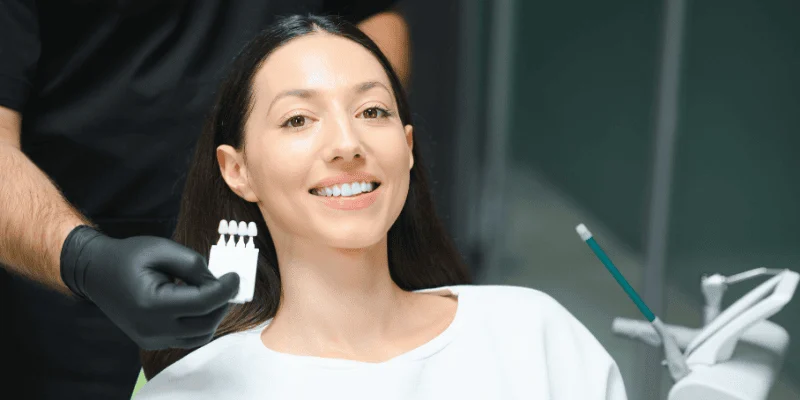
When you feel good about your smile, it can change how you see yourself and how others see you.
Cosmetic dentistry offers ways to improve the look of your teeth, which can lead to a boost in your confidence and self-esteem.
Many people find that simple treatments like teeth whitening or more detailed work such as veneers make a big difference in how they carry themselves.
This change can go beyond just appearance, it often affects your mood and how you engage with the world around you.
Your smile is one of the first things people notice.
Feeling proud of it can have lasting effects on your personal and professional life.
By learning about how cosmetic dental options affect self-esteem, you can make choices that support your confidence in the long run.
Key Takeaways
- A better smile often leads to a noticeable boost in self-confidence.
- Cosmetic dentistry can improve both appearance and emotional well-being.
- Feeling good about your teeth can positively impact your social and work life.
Understanding the Link Between Cosmetic Dentistry and Self-Esteem
Your smile plays a big role in how you see yourself and how others see you. Changing your dental look can affect your confidence, relationships, and even your mental health.
This happens because dental esthetics connect closely with your self-image, social life, and overall well-being.
A study evaluated patients before and after receiving porcelain laminate veneers, and found significant positive changes in “body‑esteem” (how patients felt about their appearance) after treatment, showing that improving dental appearance via veneers can boost self‑esteem.
How Dental Esthetics Influence Self-Perception
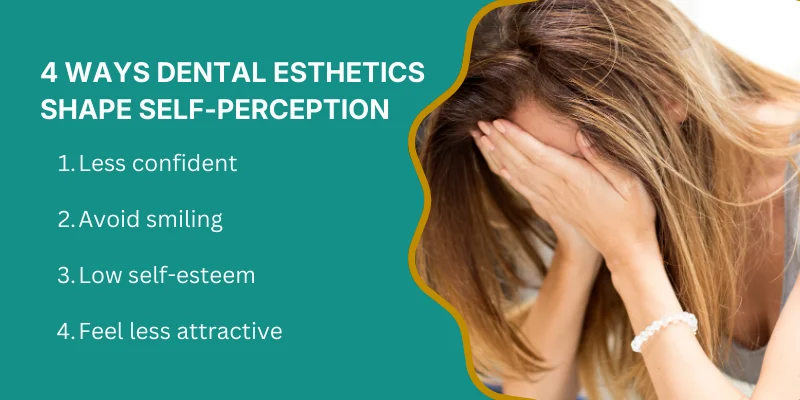
Your dental esthetics, or how your teeth look, shape how you feel about yourself.
If you have dental flaws, you might feel less confident or avoid smiling.
Cosmetic dentistry can fix issues like discoloration, chips, or misalignment, making your smile brighter and more attractive.
When your teeth look good, your self-esteem often improves.
You begin to view yourself in a more positive light.
This change in self-perception helps you feel more comfortable in your skin and more willing to engage with others.
Role of Facial Attractiveness in Social Interactions
Facial attractiveness, including your smile, greatly influences how people treat you.
A confident smile can open doors in friendships, work, and dating.
When you improve your dental appearance, you tend to feel less shy or self-conscious.
Positive social feedback further boosts your self-esteem.
You may notice people smile back, engage more with you, and respond kindly.
These changes create a cycle where better dental esthetics lead to better social interactions, which then reinforce your confidence.
Impact of Dental Appearance on Psychological Well-Being
Your dental appearance affects your psychological well-being, meaning your mental and emotional health.
When you feel embarrassed about your teeth, you might experience stress, anxiety, or avoid social settings.
Cosmetic dentistry can help reduce these negative feelings.
Fixing dental issues lowers self-consciousness and increases happiness.
It supports a stronger sense of self and encourages you to enjoy social life without worry about your physical appearance.
Boost your confidence with cosmetic dentistry at Briggs Family Dental in New Market, VA. Book your consultation today.
Popular Cosmetic Dental Procedures for Confidence Boost
Results from a study show that self‑esteem is significantly associated with the desire for esthetic dental treatments, indicating that people often link dental appearance and self-worth.
If you want to change your smile and feel better about how you look, several dental treatments can help. These procedures focus on fixing the color, shape, and overall beauty of your teeth.
Veneers and Their Transformative Effects
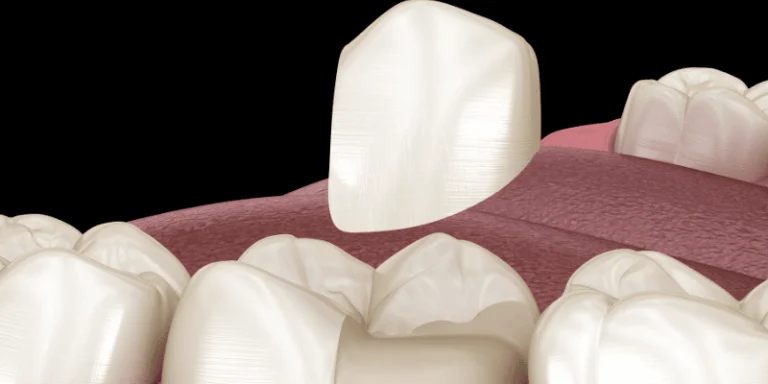
Veneers are thin shells made from porcelain or resin that cover the front of your teeth.
They can fix chips, cracks, gaps, and uneven teeth.
When placed, veneers create a smooth, bright, and natural-looking smile.
Veneers work well if your teeth are stained or worn down.
The process usually takes a few visits, and once done, you can enjoy a major change in how your smile looks and how confident you feel.
They are strong and can last many years with proper care.
Teeth Whitening and Bleaching
Teeth whitening brightens your teeth by removing stains caused by food, drinks, or smoking.
Professional bleaching uses stronger agents than over-the-counter products, giving you a faster, more noticeable result.
This treatment is popular because it is quick, non-invasive, and affordable.
Whitening can lighten your teeth several shades in just one session.
You will feel more confident smiling after your teeth look fresher and cleaner.
Porcelain Laminate Veneers
Porcelain laminate veneers are a type of veneer made from thin porcelain layers.
They are crafted to match the natural color of your teeth and feel smooth and strong.
These veneers are popular because they resist stains better than resin options.
The application includes removing a small part of your tooth enamel before the veneer is attached.
This ensures a natural fit and long-lasting results.
Esthetic Dental Restorations
Esthetic dental restorations include fillings, crowns, and bonding that improve the look and function of damaged teeth.
Instead of metal, these use tooth-colored materials to blend in with your smile.
These restorations are helpful when you have cavities, broken teeth, or old fillings you want to replace.
They restore your teeth’s shape and strength while making sure your smile looks natural and healthy after the treatment.

Psychological Benefits of a Confident Smile
A confident smile affects more than just your looks.
It can change how you feel about yourself and how others respond to you.
The effects reach into your mental health, social interactions, and even your chances in work or school.
Enhancing Self-Confidence and Body Appreciation
When you improve your smile through cosmetic dentistry, it often boosts your self-confidence.
You start to feel better about your appearance, which helps you appreciate your body more.
This can lead to greater self-worth and positivity in how you see yourself.
People with higher self-confidence tend to perform better in school or at work.
They also experience less psychosocial stress because they are less worried about how others judge their looks.
When you feel good about your smile, you naturally feel more comfortable in many parts of your life.
Reducing Anxiety and Depression
A smile you feel proud of can lower feelings of anxiety and depression.
These issues often come from worries about your appearance or social fears.
Cosmetic dentistry can help ease these worries by improving your self-image.
Less anxiety means you can relax more in social situations.
You might find it easier to make friends or speak up in groups.
Feeling happier with your smile supports better mental health, reducing the impact of negative emotions linked to your appearance.
Improved Social and Professional Opportunities
Your smile plays a big role in how people see you socially and professionally.
A confident smile can make you appear more approachable and trustworthy.
This helps you build stronger relationships and networks.
In work settings, people with higher self-esteem related to their smile often have better chances for raises, promotions, and teamwork.
Socially, a bright smile encourages positive interactions, helping you connect with others more easily.
Investing in your smile pays off beyond just looks, it opens doors.
See how cosmetic dentistry at Briggs Family Dental has boosted our patients’ confidence. Explore cosmetic dentistry success stories and book your consultation.
Influence of Social and Demographic Factors
Your self-esteem related to your smile can be shaped by the world around you.
Things like your daily social media use, your connection to dentistry, or the culture you live in all play a role in how you see your teeth and appearance.
Role of Social Media Platforms
Social media platforms like Instagram, WhatsApp, and Telegram have a big influence on how people view their smiles.
On Instagram, for example, pictures of perfect smiles are everywhere.
This can make you more aware of your dental appearance and sometimes less satisfied with it.
Seeing these images often increases your interest in cosmetic dental treatments.
However, social media can also put pressure on you to look a certain way, which affects your confidence.
The instant feedback through likes and comments can make you feel judged about your smile.
Social media not only raises awareness but also provides access to information and ads about cosmetic dentistry.
So, your decision to seek dental treatments can be linked to what you see and feel when you use these platforms.
Differences Among Dentists, Dental Students, and Laypeople
If you are a dentist or a dental student, your view of dental aesthetics may be very different from the average person.
Dentists tend to focus on functional aspects but also understand the psychological impact dental appearance has on patients.
Dental students often study the link between smile aesthetics and self-esteem, so you might find they are more sensitive to these issues than laypeople.
Laypeople, those not trained in dentistry, may base their feelings on social and personal expectations without technical knowledge.
This difference matters because dentists and students might focus on imperfections you don’t notice or consider important.
While laypeople might be influenced more by appearance trends or social feedback.
Understanding these groups can help you see why opinions about dental beauty vary.
Cultural and Geographic Influences
Your culture and where you live strongly affect how you feel about your dental appearance.
For example, in Iran, dental aesthetics carry much weight in social life and personal confidence.
What is seen as a beautiful smile in one place might not be the same elsewhere.
Cultural values shape whether you care more about natural looks or prefer perfect, white, straight teeth.
Geographic location also affects access to cosmetic dental care and how affordable or normal it is to get treatments.
These cultural and regional differences mean your feelings about your smile are connected to more than just how your teeth look.
They reflect deeper social standards and personal identity shaped by your community and traditions.

Evaluating and Measuring Changes in Self-Esteem
Measuring how your self-esteem changes after cosmetic dentistry involves reliable tools and careful research methods.
Tests and studies help show how dental improvements affect your confidence.
They also look at your personal experience with treatments to understand emotional effects.
Use of Rosenberg Self-Esteem Scale (RSES)
The Rosenberg Self-Esteem Scale (RSES) is one of the most common tools to measure your self-esteem.
It has 10 simple questions about how you feel about yourself, like feeling worthy or proud.
You respond on a scale from “strongly agree” to “strongly disagree.”
This scale scores your self-esteem by adding your responses, with higher totals meaning higher self-esteem.
It is easy to use, reliable, and helps dentists and researchers track changes before and after cosmetic dental work.
Because it captures feelings of personal worth and respect, the RSES gives clear insight into your confidence related to your smile and appearance.
Cross-Sectional Studies and Statistical Approaches
Cross-sectional studies compare different groups at a single point in time to observe how dental aesthetics relate to self-esteem.
These studies often use statistical tests like the chi-square test to find links between variables, like dental condition and confidence levels.
Logistic regression analysis is also used.
This helps predict how likely cosmetic dental improvements can increase your self-esteem while controlling for other factors like age or gender.
These methods provide data on average effects of cosmetic dentistry on self-esteem, making the findings strong enough to guide treatment decisions.
Assessing Cosmetic Treatment Experience
Your personal experience with cosmetic dental treatment plays a big role in how your self-esteem is affected.
Researchers use questionnaires to ask about your satisfaction, comfort, and emotional changes after procedures.
Understanding your treatment journey, including any pain or maintenance involved, helps identify factors that boost or lower your confidence.
This approach ensures that the emotional impact of cosmetic dentistry is measured alongside physical results.
Tracking these experiences over time offers a full picture of how cosmetic treatments improve not just your smile but also your mental well-being.
Maintaining Results and Long-Term Considerations
You can keep your cosmetic dental work looking great by following specific daily habits and making smart choices when it comes to dental care.
It’s not just about what you do at home but also about whom you trust for your treatments.
Small steps add up to a lasting, healthy smile.
Importance of Oral Hygiene and Dental Health
Good oral hygiene is the key to protecting your cosmetic dental work. When you take care of your teeth and gums, your cosmetic treatments will last longer and stay healthier.
Poor oral hygiene can lead to plaque buildup, tooth decay, and gum disease, which can ruin your cosmetic efforts. Make sure to brush your teeth twice a day and floss every day to keep your mouth clean.
Using fluoride toothpaste and a soft-bristled toothbrush can help avoid damage to veneers or bonding. Regular dental check-ups allow your dental professional to catch any problems early and keep your dental health on track.
Role of Brushing and Flossing Frequency
How often and how well you brush and floss directly affects how long your cosmetic dental work lasts. Brushing twice a day is essential, but how you brush matters too.
Gentle, thorough brushing helps remove plaque without scratching delicate surfaces like veneers. Flossing daily removes food trapped between teeth and prevents gum problems.
If you skip flossing, bacteria and plaque can build up and cause damage to both your natural teeth and cosmetic work. You might also consider adding mouthwash for extra protection.
Choosing a Qualified Cosmetic Dentist
Choosing the right cosmetic dentist can make a big difference in how your cosmetic dental work turns out and lasts. Look for a dentist skilled in the specific procedures you want, whether it’s veneers, whitening, or bonding.
Experienced dental professionals know how to protect your oral hygiene status while enhancing your smile. A good cosmetic dentist will provide clear advice on care and maintenance to help your results last.
Regular visits for professional cleanings and check-ups are important to catch any early signs of issues. Ask about their experience and check reviews to feel confident you are in good hands.
Ready to work with a skilled cosmetic dentist? Schedule your consultation at Briggs Family Dental in New Market, VA, and start your journey to a confident, radiant smile.
Frequently Asked Questions
Improving your smile can have a big impact on how you feel about yourself. It often changes the way you see your appearance and how others respond to you.
Many people experience positive shifts in confidence and social interactions after cosmetic dental work.
How can improving my smile with cosmetic dentistry enhance my self-confidence?
When your teeth look better, you may feel more comfortable smiling and talking with others. This boost in confidence can help you in social situations and professional settings.
A smile makeover often leads to feeling more positive about your overall appearance.
What are the potential psychological benefits of getting cosmetic dental procedures?
Cosmetic dental treatments can reduce feelings of self-consciousness and help lower anxiety about your looks. You might notice an increase in self-esteem and a more optimistic outlook on life.
Feeling good about your smile often brings emotional satisfaction.
Are there any social advantages to having cosmetic dentistry work done?
A better smile can improve the way people perceive you in social life, helping form new friendships and strengthen existing relationships. It may also affect how professionals view you, which can open new opportunities.
What types of cosmetic dentistry options are available to correct discolored teeth?
You can choose from treatments like teeth whitening, veneers, or bonding to brighten and reshape your teeth. Whitening is a simple option for stains, while veneers cover the front of teeth for a lasting change.
Your dentist can help decide which option fits your needs best.
How does the appearance of my teeth affect my overall self-image?
Your teeth are a key part of your face, so their looks influence how you view yourself. If you feel your teeth are attractive, you may feel better about your whole face.
This positive self-image can improve your mood and how you carry yourself.
Can fixing dental imperfections with cosmetic treatments lead to better first impressions?
Yes, a healthy and attractive smile is often one of the first things people notice.
Cosmetic dentistry can help you make a strong, positive impression in personal and work settings.