

You expect a root canal to fix the problem for good. In most cases, it does. But sometimes pain, swelling, or infection returns months or even years later.
You should consider retreatment when a treated tooth does not heal properly, becomes painful again, or shows signs of new infection.
This can happen if bacteria remain in the canal, a new cavity forms, or the original restoration fails. Retreatment gives you another chance to save your natural tooth.
If you notice ongoing discomfort, sensitivity to pressure, or swelling near the tooth, do not ignore it.
Understanding why retreatment happens and what it involves helps you make a clear and confident decision about your dental care.
Key Takeaways
- You may need retreatment if pain, infection, or healing problems return after a root canal.
- Dentists evaluate symptoms and imaging to decide if retreatment is the right option.
- Retreatment can remove infection and help preserve your natural tooth.
Learn about root canal retreatment indications and when a treated tooth may need additional care.
Table of Content
- Recognizing Signs of Failure in Treated Teeth
- Common Reasons for Retreatment After Root Canal Therapy
- Diagnosis and Evaluation by Specialists
- The Step-by-Step Retreatment Procedure
- Alternatives to Retreatment and Prognosis
- Frequently Asked Questions
Recognizing Signs of Failure in Treated Teeth
A tooth that had root canal treatment should feel normal after healing. When problems return, your body often gives clear warning signs that you should not ignore.
Symptoms Indicating Persistent or New Infection
Pain that does not go away is one of the most common signs. You may feel constant aching, sharp pain when you bite, or pressure in the treated tooth.
Swelling near the gum line also matters. The gum may look puffy, red, or tender. In some cases, a small bump forms on the gum and drains fluid. This can signal an ongoing infection.
Other symptoms include:
- Sensitivity to heat or cold that lingers
- A bad taste in your mouth
- Darkening of the treated tooth
- Discomfort months or even years after treatment
These symptoms often mean bacteria remain inside the canal system or a new infection has formed, and you may need root canal retreatment to protect your long-term oral health.
The Importance of Timing and Early Detection
Acting early improves your chances of saving the tooth. When you wait, infection can spread deeper into the bone around the root.
You should contact a dental professional as soon as pain or swelling returns. Dentists often use X-rays or 3D scans to look for hidden infection, missed canals, or cracks in the tooth.
The endodontic retreatment process gives your tooth another chance by removing old filling material and cleaning the canals again.
Early retreatment often feels similar to your first root canal treatment. However, it requires careful work to remove old materials and disinfect the space fully.
Prompt care reduces the risk of tooth loss. It also supports your long-term oral health by stopping infection before it causes more damage.
Common Reasons for Retreatment After Root Canal Therapy
A tooth can need more care even after careful root canal treatment. Most problems relate to hidden anatomy, weak restorations, or damage that happens after the first procedure.
Missed Canals and Complex Anatomy
Your tooth may have more canals than expected. Some molars have tiny or curved canals that are hard to find and clean.
When a dentist misses a canal, bacteria can stay inside. Over time, this can cause infection, pain, or swelling. You might notice tenderness when you bite or a pimple-like bump on the gums.
Complex root shapes also raise risk. Narrow canals, sharp curves, and calcified tissue can block access during the first root canal treatment.
During endodontic retreatment, the dentist reopens the tooth and looks for missed canals. They clean and disinfect the full canal system before sealing it again. This step removes trapped bacteria and gives your tooth another chance to heal.
Breakdown of Old Filling Material and Restorations
The material placed inside your tooth after treatment can wear down over time. Chewing pressure and small leaks can break the seal.
If saliva and bacteria leak under a filling or crown, infection can return. This often happens when the seal around the tooth fails.
Root canal retreatment usually involves removing old filling material from inside the canals. The dentist then cleans the space again and places new filling material to seal it tightly.
You may also need a new crown or filling. A strong restoration helps protect the tooth from future leakage and reduces the chance of repeat infection.
Tooth Fracture or Cracks
A treated tooth can become brittle. Without strong outer protection, it may crack under pressure.
A tooth fracture can expose the inner canal space to bacteria. Even a small crack can allow germs to enter and cause pain or swelling.
You might feel sharp pain when biting or release pressure. In some cases, you may not notice symptoms until infection develops.
Your dentist will check if the crack is limited to the crown or extends into the root. If the root remains intact, root canal retreatment and a new crown may help save the tooth. Deep vertical root fractures, however, may require extraction.
Delayed Crown Placement and Vulnerability
After a root canal, your tooth needs a permanent crown in many cases. A crown protects the tooth from breaking and keeps bacteria out.
Delayed crown placement leaves your tooth exposed. Temporary fillings can wear down or loosen, which allows saliva and bacteria to enter.
If you wait too long, the tooth can crack or become reinfected. This risk increases in back teeth that handle heavy chewing.
Placing a crown on time lowers the chance that you will need retreatment. If infection develops because of delay, your dentist may need to reopen the tooth, clean the canals again, and restore it properly.
Contact Briggs Family Dental in New Market, VA for guidance on root canal retreatment options.
Diagnosis and Evaluation by Specialists
When symptoms return after a root canal, you need a careful exam to find the exact cause. A specialist uses imaging and hands-on testing to decide if root canal retreatment can save your tooth.

Role of Imaging and Clinical Examination
You can’t see what is happening inside your tooth, so imaging plays a key role. Your dentist or endodontist will take detailed dental X-rays to look for signs of infection, missed canals, or bone loss.
During root canal retreatment evaluation, the clinician reviews your dental history, checks your bite, and looks for swelling or drainage. They may gently tap on the tooth or test how it reacts to pressure and temperature.
Imaging can also reveal problems such as:
- A missed or untreated canal
- A separated instrument left inside the canal
- A cracked root
- New decay under a crown
In some cases, narrow or curved canals may not have been fully cleaned the first time, which can lead to ongoing infection.
As explained by the American Association of Endodontists, teeth can develop new problems months or even years later and may need endodontic retreatment.
Clear images and a careful exam help your specialist decide the next step.
When to Seek an Endodontist for Retreatment

You should consider seeing an endodontist for retreatment if pain, swelling, or sensitivity returns in a tooth that already had a root canal. A loose or broken crown can also let bacteria enter and cause reinfection.
An endodontist for retreatment has extra training in finding hidden canals and managing complex cases.
Retreatment can be more difficult than the first procedure, especially if a post, crown, or separated instrument blocks access to the canal. Specialists have tools and magnification that help them work safely and precisely.
Retreatment usually involves:
- Reopening the tooth
- Removing old filling material
- Cleaning and disinfecting the canals
- Sealing the tooth again
If your general dentist suspects a complicated issue, a referral to a specialist can improve your chances of saving the tooth.
The Step-by-Step Retreatment Procedure
During a retreatment procedure, your endodontist reopens the tooth, removes old material, cleans the canals again, and seals the space to stop infection. Each step focuses on saving your natural tooth and preventing new problems.
Accessing and Cleaning the Root System
Your endodontist starts the endodontic retreatment by reopening the crown of your tooth. They remove any crown, filling, or post that blocks access to the root canals.
Once they reach the inner chamber, they look for signs of infection or missed canals. Some canals are narrow or curved, so careful work matters.
They use small instruments and disinfecting solutions to clean the inside of each canal. This step removes bacteria, debris, and inflamed tissue.
You may hear the term retreatment process during this visit. It simply means your provider repeats the cleaning steps from the first root canal, but with more focus on areas that may have been missed or not fully sealed.
Accurate cleaning lowers the risk of reinfection and helps your bone heal around the root.
Removing Old Filling Material
Before your provider can clean deeply, they must focus on removing old filling material from the canals. Most root canals use a rubber-like material called gutta-percha.
In a typical root canal retreatment procedure, your endodontist carefully removes this material using small files and sometimes heat or special solvents. This step takes time because the material sits tightly inside narrow spaces.
If any filling material stays behind, bacteria can remain trapped. That is why your provider checks each canal with magnification and imaging.
You might feel mild pressure, but the area stays numb during treatment. Removing the old material fully allows your provider to disinfect the canal system again before sealing it with fresh filling.
Addressing Complications like Separated Instruments
Sometimes a small metal file breaks inside the canal during the first root canal. This is called a separated instrument.
A separated instrument can block access to part of the canal. If bacteria remain behind it, infection may continue.
During endodontic retreatment, your provider will assess whether they can safely remove the fragment. They may use ultrasonic tools or specialized tips under a microscope.
In some cases, they cannot remove the piece without risking damage to the root. If that happens, they may clean around it or recommend a surgical option.
Retreatment often becomes necessary when a tooth fails to heal or develops new problems after the first treatment, as explained by the American Association of Endodontists.
Careful planning helps your provider choose the safest approach for your tooth.
Restoring the Tooth for Long-Term Health
After cleaning and shaping the canals again, your endodontist fills them with new material. This step seals the space and blocks bacteria from reentering.
They place a temporary or permanent filling in the opening at the top of your tooth. You may need a new crown to protect the tooth from cracks or fractures.
A final restoration matters as much as the cleaning step. If the crown leaks or does not fit well, bacteria can enter again.
Your general dentist often completes this stage. Once restored properly, your tooth can function normally for years with good brushing, flossing, and regular dental visits.
Alternatives to Retreatment and Prognosis
If retreatment is not the right fit for you, other options can address infection and protect your long-term oral health. Each choice has different risks, costs, and healing times.
Endodontic Surgery and Apicoectomy
If infection remains after a root canal and retreatment is not possible, your dentist may suggest endodontic surgery. The most common type is an apicoectomy, also called root-end surgery.
During this procedure, the specialist removes the tip of the root and the infected tissue around it. They then seal the end of the root to prevent further infection.
You may need this option if a post or crown blocks access to the root canal, or if a small fracture or hidden canal caused the failure. Healing often takes a few months.
Mild swelling and soreness are common, but serious problems are rare when a trained specialist performs the surgery.
This approach keeps your natural tooth in place, which helps maintain your bite and bone structure.
Tooth Extraction Versus Dental Implants
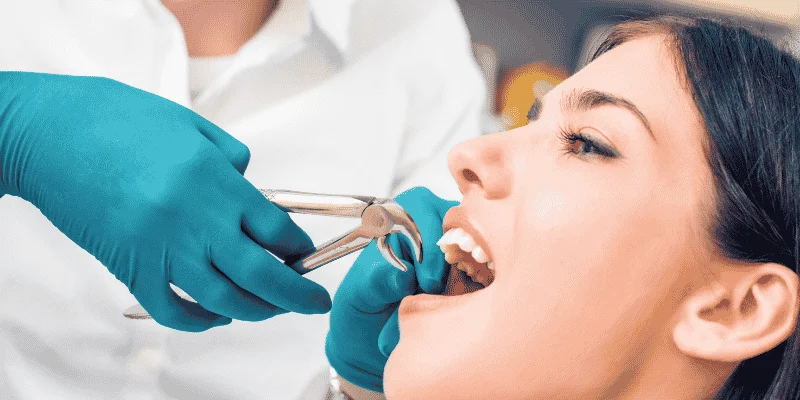
If your tooth cannot be saved, your dentist may recommend tooth extraction. This step removes the infection but also leaves a gap.
After extraction, you have choices:
- Dental implant
- Fixed bridge
- Removable partial denture
A dental implant replaces both the root and crown. A small titanium post bonds with your jawbone and supports a custom crown. Many patients choose implants because they feel stable and do not rely on nearby teeth.
However, implants require surgery and healing time. They also cost more than many other treatments. Clinical guidance notes that dentists usually consider retreatment or surgery before moving to extraction and implant placement.
Keeping your natural tooth, when possible, often supports better long-term oral health.

Evaluating Overall Outcomes and Success Rates
You should weigh success rates, cost, healing time, and comfort before you decide. Both nonsurgical retreatment and endodontic surgery show favorable results in many cases.
Research comparing nonsurgical retreatment and root-end surgery outcomes shows that both can promote healing, especially in the first few years after treatment.
Success often depends on the cause of failure, the condition of the surrounding bone, and the skill of the provider.
Primary root canal treatment has a high success rate, but post-treatment disease can still occur, as discussed in reviews of root canal treatment and retreatment outcomes.
You improve your prognosis when you treat infection early and attend follow-up visits. Your dentist will review X-rays, symptoms, and your medical history before recommending the option that best protects your long-term oral health.
Frequently Asked Questions
You may notice pain, swelling, or new infection years after a root canal. You might also wonder about pain levels, cost, long-term success, and whether your dentist can retreat the tooth through an existing crown.
How can I tell if my old root canal has failed years later?
You may feel ongoing pain when you chew or bite. Some people notice swelling in the gums near the treated tooth.
You might also see a small pimple-like bump on the gum, which can signal infection. Persistent sensitivity to hot or cold can also be a warning sign.
The American Association of Endodontists explains that teeth can become painful or diseased months or even years later, and in those cases endodontic retreatment may be needed.
Is root canal retreatment usually more painful than the first procedure?
Retreatment feels similar to your first root canal. Your dentist numbs the area, so you should not feel pain during the procedure.
You may have mild soreness for a few days after. Over-the-counter pain medicine often helps manage this discomfort.
What is the typical success rate for root canal retreatment?
Many retreated teeth function well for years when your dentist removes the old filling, cleans the canals, and seals them again.
Your outcome depends on factors like the shape of your root canals, the presence of cracks, and how quickly you treat the problem.
How much does root canal retreatment usually cost?
Retreatment often costs more than your first root canal. The dentist must remove old filling material and may need special tools to clean complex canals.
Fees vary based on the tooth type and your location. Molars usually cost more than front teeth because they have more canals.
Some dental insurance plans cover part of the cost, but coverage depends on your policy.
Can a root canal be redone after 10 years?
Yes, your dentist can redo a root canal even 10 years later if the tooth structure remains strong enough.
It is not uncommon for a tooth to need additional care long after the first treatment. In these cases, endodontic retreatment removes the old filling and reseals the tooth to support healing.
Your dentist will take X-rays to check the bone and root before recommending retreatment.
Can a tooth be retreated through an existing crown without removing it?
Sometimes your dentist can drill a small opening through the crown to reach the root canals.
This approach depends on the crown’s condition and how well it fits. If the crown is loose, damaged, or poorly sealed, your dentist may recommend replacing it instead.