



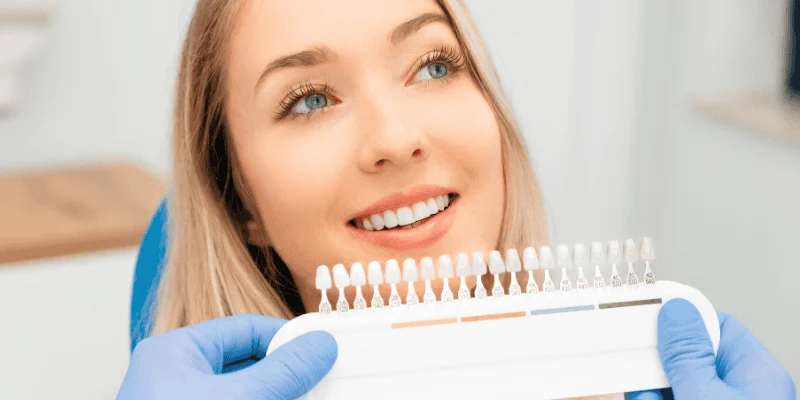
Porcelain veneers are a popular way to improve your smile and boost your confidence.
If you’re wondering how long they last, the answer depends on several factors, such as the quality of the materials, your dentist’s skill, and how well you care for them.
On average, porcelain veneers last 10 to 15 years, but with proper care, they can last up to 20 years.
Your daily habits play a big role in how long your veneers stay strong and look natural. Avoiding hard foods, practicing good oral hygiene, and protecting your teeth from grinding are key steps to keep your veneers in great shape.
Regular dental visits also help catch small issues before they become bigger problems.
Key Takeaways
- Porcelain veneers typically last 10 to 15 years with proper care.
- Your habits and dental visits greatly affect how long they last.
- Simple daily routines and protection from damage help maintain their look.
Porcelain Veneers Lifespan: What to Expect
Porcelain veneers are a popular choice for improving your smile because they look natural and are strong. How long they last depends on several things, from how well they are made to how you take care of them.
How Long Do Porcelain Veneers Last on Average
On average, porcelain veneers last between 10 and 15 years. With excellent care, they can even last up to 20 years.
Their lifespan is usually longer than that of composite veneers, which last about 5 to 7 years. Several factors influence this time frame, such as the quality of the porcelain, how your dentist applies it, and your daily habits.
Porcelain is very durable ceramic, so your veneers can handle normal eating and chewing. However, they are not indestructible and can wear over time.
Regular dental visits and good oral hygiene help protect your investment and extend veneer longevity. Avoiding hard foods and habits like teeth grinding also plays a big part.

What Affects Porcelain Veneers Longevity
Several key things affect your porcelain veneers’ lifespan:
- Dentist’s skill and technique: Precise tooth prep and bonding are vital.
- Material quality: High-quality porcelain lasts longer and looks better.
- Oral hygiene: Brushing and flossing prevent decay and gum issues around veneers.
Other factors include your habits, like avoiding biting ice, hard nuts, or using teeth as tools, and whether you grind your teeth. Wearing a custom night guard if you grind can greatly protect veneers.
Lifestyle choices such as smoking, regular coffee, or tea drinking can stain veneers and reduce their lifespan. Scheduling professional cleanings twice a year helps keep veneers free from plaque and discoloration.
A large systematic review of clinical studies involving ~6,500 porcelain laminate veneers (PLVs) found that over a 10‑year period, the cumulative survival rate (CSR) was about 95.5%, meaning most veneers remained functional and intact
Signs Porcelain Veneers Need Replacement
You may need to replace your veneers if you notice:
- Chipping or cracking: Small breaks may get worse if untreated.
- Discoloration at edges: This can mean staining or adhesive failure.
- Sensitivity or pain: Might indicate decay or gum problems under veneers.
If your veneers feel loose or you see gaps forming, it could be a sign the bonding is failing. Changes in your bite or discomfort while chewing are also important to report to your dentist.
Sometimes, gum recession exposes edges of veneers and affects appearance and health. Regular checkups can catch these issues early.
Timely repairs and replacements keep your veneers looking great and prevent bigger dental problems.
Keep your veneers looking their best. Schedule a consultation at Briggs Family Dental in New Market, VA, to check, repair, or replace your porcelain veneers!
Porcelain vs. Composite Veneers: Lifespan and Durability
You want veneers that last and stay strong. Choosing between porcelain and composite veneers means thinking about how long they last and how well they handle daily wear.
These two types differ quite a bit in those areas.
Differences in Veneer Longevity
Porcelain veneers tend to last much longer than composite ones. With good care, porcelain veneers can last 10 to 15 years or even more.
Composite veneers usually last about 5 to 7 years before needing repair or replacement. Porcelain is made from strong, baked ceramic, which helps it stand up better over time.
Composite veneers are made from resin, which wears down faster and is more likely to chip or crack. Your habits, like grinding your teeth or biting hard objects, also affect how long either type will last.
Durability and Stain Resistance
Porcelain veneers are very durable and resist stains better than composite ones. They don’t easily scratch or discolor, so your smile looks bright longer.
Composite veneers can stain over time from foods and drinks like coffee or wine. Porcelain requires removing some enamel, but its durability is closer to dental crowns.
Composite veneers need less enamel removal and are quicker to apply, but they are more prone to chips and scratches. If you want long-lasting veneers with less staining, porcelain is usually the better choice.
Dental and Lifestyle Factors That Impact Longevity
The life of your porcelain veneers depends a lot on how you care for your teeth and the habits you follow every day.
A study (7–14 year follow-up) reported a 14-year survival probability of ~ 88.2%, with clinical deficiencies over time, including chipping, cracking, marginal discoloration, and occasional caries or debonding.
Small actions like brushing, what you eat, and how you avoid damage all add up to protect your veneers and keep your smile strong.
Role of Oral Hygiene and Gum Health
Keeping your mouth clean is key to making your veneers last. While veneers themselves can’t get cavities, the teeth under them can.
If you don’t brush and floss well, plaque can build up around the edges, causing gum disease and gum recession. This can weaken the bond holding your veneers in place.
You should use a soft toothbrush and gentle toothpaste to avoid hurting your gums. Flossing daily helps remove food stuck between teeth where brushing can’t reach.
Regular dental visits allow your dentist to check that your gums and veneers are healthy. Strong gums hold your veneers firmly and prevent bacteria from sneaking in and causing problems.
Staying on top of oral hygiene protects both your veneers and the natural teeth beneath them.
Effects of Teeth Grinding and Bruxism
Grinding your teeth or clenching your jaw, often while asleep, puts a lot of pressure on your veneers. This can cause cracks, chips, or even loosen them over time.
Teeth grinding, also called bruxism, is a common problem but one that seriously shortens veneer lifespan if not managed. You might not even know you grind your teeth until your dentist points it out.
Using a custom night guard can protect your veneers by absorbing the force. It’s smart to mention any jaw pain or headaches to your dentist so they can check for bruxism.
Addressing this issue prevents damage before it happens and keeps your veneers strong for years.

Diet and Habits That May Shorten Veneer Life
What you eat and drink plays a big role in how long your veneers last. Certain foods stain veneers, like coffee, red wine, and tea.
Acidic foods and drinks, such as citrus fruits and soda, can wear down the tooth underneath and weaken the bond. Avoid biting on hard items like ice, nuts, or hard candy.
These can chip or crack your porcelain veneers easily. Using a straw for staining drinks and rinsing your mouth with water afterward helps reduce discoloration.
Smoking and excessive alcohol can also hurt your veneers. Smoking can stain veneers and cause gum recession, while alcohol may weaken the glue holding veneers.
Quitting smoking and cutting back on alcohol will help protect your smile. By choosing veneer-safe foods and avoiding harmful habits, you give your veneers a better chance to last as long as possible.
Protect your smile for the long term. Book a consultation at Briggs Family Dental in New Market, VA, to learn how to extend the life of your veneers!
Best Practices for Veneer Maintenance
Taking good care of your porcelain veneers helps keep them strong and looking great for many years. You’ll need to focus on how you clean them daily, see your dentist regularly, and protect them from damage while you sleep.
These steps work together to avoid chips, stains, and other common problems.
Daily Veneer Care Techniques
Start by brushing your teeth twice a day with a soft-bristled toothbrush. Use a non-abrasive toothpaste to avoid scratching your veneers.
When flossing, choose a special floss like super floss that can clean gently around the edges where veneers meet your gums. Rinse daily with an alcohol-free antibacterial mouthwash to reduce plaque and keep your gums healthy.
Avoid chewing hard items like ice, nuts, or using your teeth as tools because these habits can chip or crack your veneers. Limiting stain-causing foods and drinks such as coffee, tea, and tobacco will help maintain your veneers’ natural shine.
If you do enjoy these, rinse your mouth with water afterward to reduce staining risks.
Importance of Regular Dental Checkups
Visiting your dentist every six months is key to catching small problems early. Your dentist will look for micro-cracks, check the bonding between your veneers and teeth, and clean where plaque builds up.
During these visits, polishing your veneers can restore their shine and prevent stains from settling in. Dentists also check your bite to make sure no areas are putting too much pressure on your veneers, which can lead to damage.
Professional checkups let your dentist address minor chips or loose edges before they become a bigger issue. Regular exams keep your veneers in top shape and extend their lifespan far beyond the average.
Using a Night Guard for Added Protection
If you grind your teeth at night or play contact sports, wearing a custom night guard is important. It’s made just for you, fits snugly, and cushions your teeth from the pressure that could crack or wear down your veneers.
A night guard protects your veneers by absorbing the forces from grinding, reducing the risk of fractures or debonding by up to 70%. Be sure to clean it daily and have your dentist check it regularly to make sure it still fits well.
Even if you don’t notice grinding, using a night guard can prevent hidden damage that shows up over time. It’s one of the best ways to protect your smile while you sleep.
When and How to Replace Porcelain Veneers
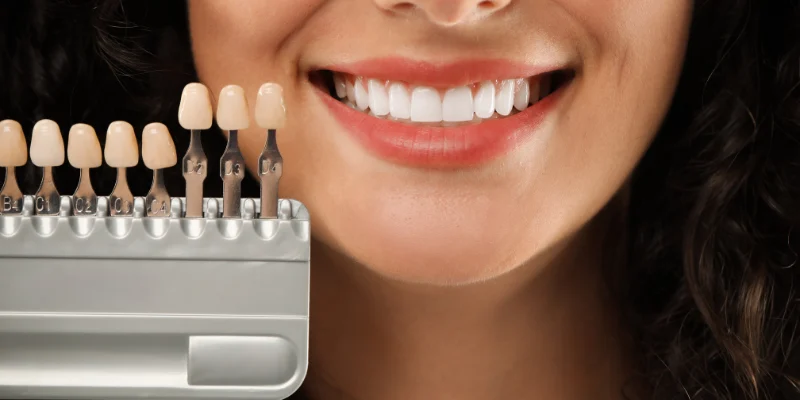
Knowing when to replace your porcelain veneers helps keep your smile looking its best. Replacement usually happens because of wear, damage, or changes in your gums and bite.
The process involves careful removal and fitting of new veneers to ensure comfort and a natural look. Sometimes, new veneers offer improved materials or designs that can upgrade your smile.
Veneer Replacement Process
Replacing veneers begins with a dental exam to check their condition and your oral health. Your dentist will look for cracks, chips, or loosened bonds, as well as any gum changes around the veneers.
Next, the old veneers are gently removed without harming the tooth underneath. Your natural teeth might need some reshaping, and impressions will be taken for the new veneers.
New veneers are custom-made to fit your teeth and match your smile. Once ready, they are bonded securely using special dental cement.
The whole process ensures your veneers feel smooth and look natural.
Upgrading to New Veneers
When you replace veneers, it’s also a chance to upgrade. New technologies in cosmetic dentistry mean newer veneers can be stronger, thinner, and more stain-resistant.
Your dentist can improve color matching, shape, and alignment compared to your old set. This might make your smile appear fresher and more balanced.
If your bite or gum line has changed since your last veneers, the upgrade can better fit those changes. This helps protect your teeth and gums and keeps your smile comfortable and healthy over time.
Schedule an Appointment! Book a consultation today to upgrade your veneers and achieve a stronger, brighter, and more natural-looking smile.
Frequently Asked Questions
Porcelain veneers are designed to last for many years, but their lifespan can vary based on care and habits. Knowing what affects their durability and how to maintain them can help you keep your smile looking great.
How many years can I expect my porcelain veneers to last?
You can usually expect porcelain veneers to last between 10 and 15 years. With good care and regular dental check-ups, some people have veneers that last 20 years or more.
What factors affect the lifespan of my porcelain veneers?
Several things can impact how long your veneers last. These include your oral hygiene habits, diet, teeth grinding, and any accidental damage.
Proper bite alignment and avoiding hard or sticky foods also play a role.
Are there any maintenance tips to help prolong the durability of veneers?
Brush twice a day with a non-abrasive toothpaste and floss daily. Avoid biting hard objects like ice or nuts.
Wearing a night guard can protect your veneers if you grind your teeth at night.
Is there a difference in longevity between porcelain and composite veneers?
Porcelain veneers generally last longer than composite ones. Porcelain is stronger and more resistant to staining.
Composite veneers are less expensive but tend to need replacement more often.
What can I do if my porcelain veneers begin to show wear or damage?
If you notice chips, cracks, or loosening, visit your dentist as soon as possible. Early repairs can prevent further damage.
Regular check-ups help catch problems before they worsen.
How often should I replace my porcelain veneers?
Replacement depends on wear and damage but usually happens every 10 to 15 years.
If you maintain good care, your veneers may last longer.
Your dentist will advise you when replacement is needed.